

Libraries as Laboratories
In Accra, Ghana, social entrepreneurs are working to reinvent the public library for the 21st century.

In Accra, Ghana, social entrepreneurs are working to reinvent the public library for the 21st century.
Software from a group called Ultrasafe Ultrasound promises to make it harder to practice sex-selective abortion.

A $100 million foundation initiative aims to foster urban resilience in the face of disaster.

In parts of the world, expanding cell-phone coverage brings with it an increase in violent activity.
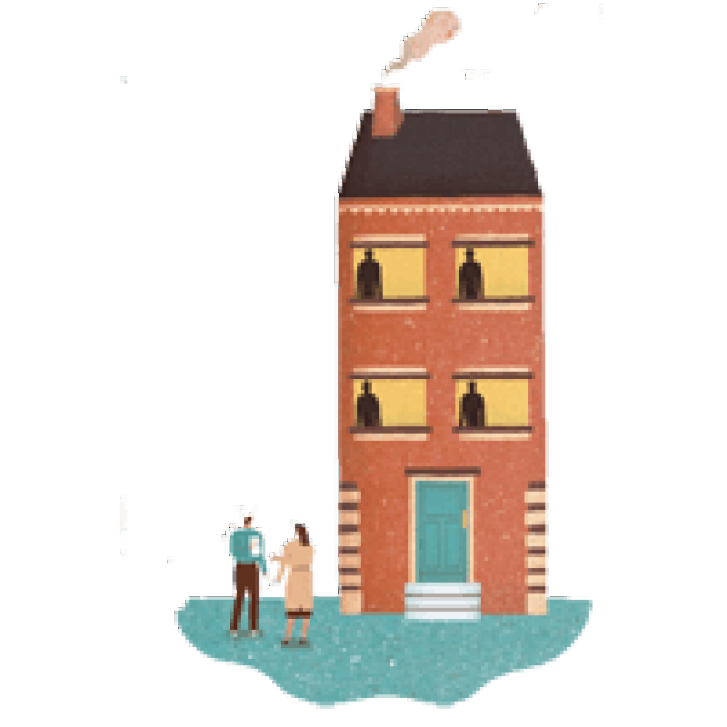
People are more apt to behave in socially responsible ways when they think that others might take notice.


Funders are calling for more program evaluation, but nonprofits are often collecting dubious data, at great cost to themselves and ultimately to the people they serve.

Large-scale social change requires broad cross-sector coordination, not the isolated intervention of individual organizations.
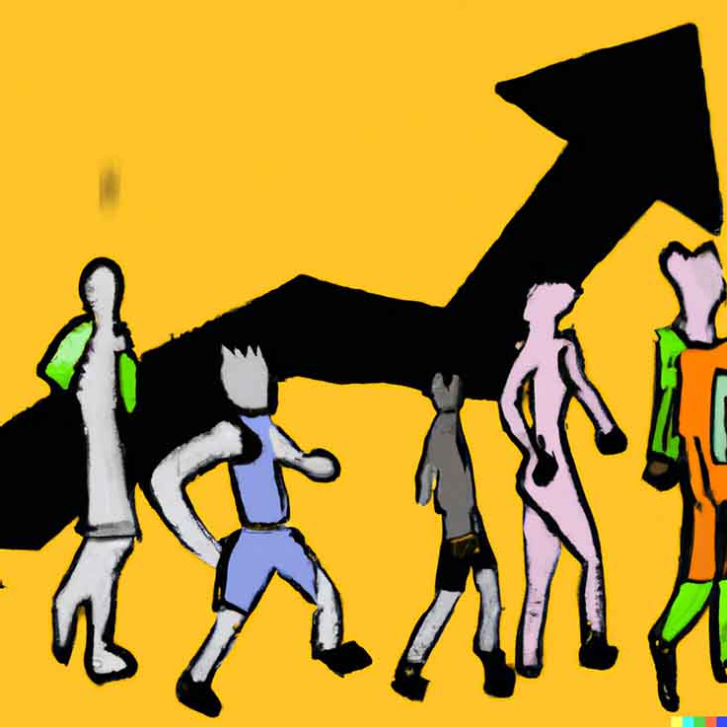
For NGOs, impact comes in different forms and to track the cycles of social change work, we must think across the tangibility and the speed of emergence of change.

With an understanding of these 10 funding models, nonprofit leaders can use the for-profit world's valuable practice of engaging in succinct and clear conversations about long-term financial strategy.

Professionalism has become coded language for white favoritism in workplace practices that more often than not leave behind people of color. This is the fourth of 10 articles in a special series about diversity, equity, and inclusion.