

Second Chances and a Third Bottom Line
Recycla Chile, Latin America’s first e-waste recycling company, reclaims value from discarded electronics and marginalized people.

Recycla Chile, Latin America’s first e-waste recycling company, reclaims value from discarded electronics and marginalized people.
How donors can more effectively provide long-term support in rebuilding Haiti after a devastating earthquake.
How can we make sure nonprofits are accountable for real outcomes?
The area of education is ripe for social enterprise efforts, both within and outside U.S. borders. In this audio interview with Stanford Center for Social Innovation correspondent Sheela Sethuraman, Executive Director Tomas Recart talks about what Ensena Chile is doing to create educational change in Chile using the Teach For America model. He discusses recruitment, program evaluation, and the expansion of the effort to other Latin American countries.

When disaster strikes, governments often rely on nonprofits and businesses to help with relief efforts. But making up for the public sector's shortcomings is neither an appropriate nor effective use of the private sector's strengths.


Funders are calling for more program evaluation, but nonprofits are often collecting dubious data, at great cost to themselves and ultimately to the people they serve.

Large-scale social change requires broad cross-sector coordination, not the isolated intervention of individual organizations.
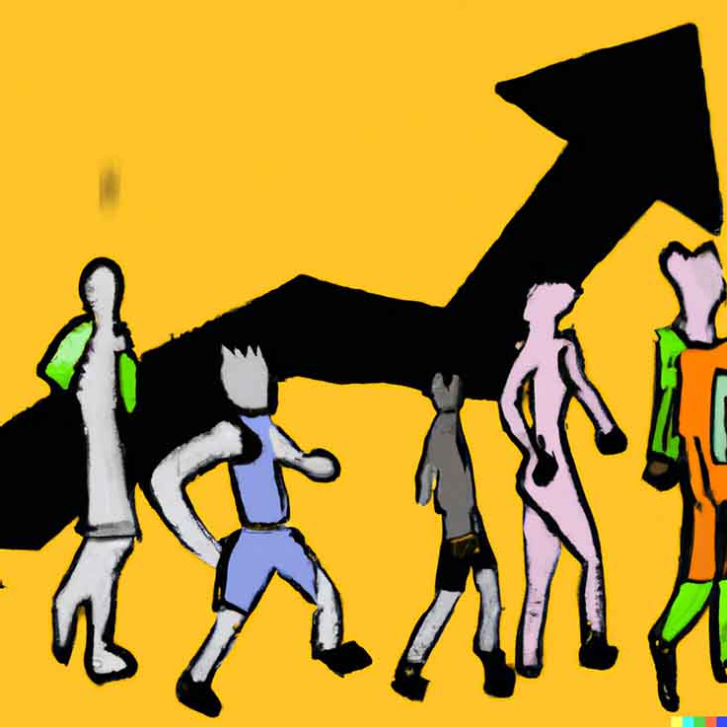
For NGOs, impact comes in different forms and to track the cycles of social change work, we must think across the tangibility and the speed of emergence of change.

With an understanding of these 10 funding models, nonprofit leaders can use the for-profit world's valuable practice of engaging in succinct and clear conversations about long-term financial strategy.

Professionalism has become coded language for white favoritism in workplace practices that more often than not leave behind people of color. This is the fourth of 10 articles in a special series about diversity, equity, and inclusion.