


Empowering Female Muslim Leaders
The Led By Foundation helps Indian Muslim women achieve their career goals in the face of discrimination.
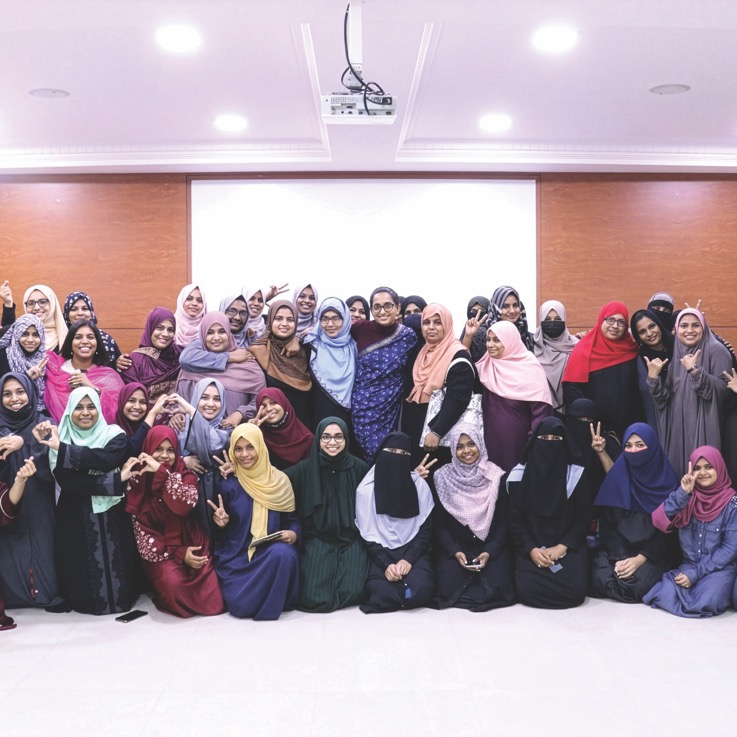
The Led By Foundation helps Indian Muslim women achieve their career goals in the face of discrimination.

When impact brings pressure to expand, leaders can (and must) carefully decide when growth helps and when it hurts.

To solve problems that don't want to be solved, design for the unspoken social conventions that hold them in place.

How can we teach students to embrace their civic identity as members of their communities and support them in leading our nation's democratic renaissance?

Successful advocacy requires not only increasing support on our issues, but inspiring people to believe that they can win. | This article is free to all readers thanks to sponsorship by BLIS Collective.

Preparing young people to participate and govern means moving beyond entrusting civic learning to a single course in high school or an elective on campus.

As humanitarian aid agencies buckle under the collapse of financial support, the private sector must step in to invest in refugees and integrate them into the economy. We review three models of success and offer investment strategies. | This article is free to all readers thanks to sponsorship by the Frank Batten School of Leadership and Public Policy at the University of Virginia.

We judge philanthropic capital's impact by what it builds while it is building. We should judge by what stands, without it, after the grant has ended.

Many social impact leaders feel pressure to engage with AI but are overwhelmed and lack a clear starting point. Four fundamental questions can help frame early conversations, grounding AI strategy in purpose, organizational capacity, and values.

A conversation with two nationally renowned school superintendents about the biggest challenges they face, the relationship between education and democracy, and the tension between innovation and equity.