


Turning the Page
Four years ago, a Northern California bookstore reinvented itself as a hybrid social enterprise—and its story continues to unfold.

Four years ago, a Northern California bookstore reinvented itself as a hybrid social enterprise—and its story continues to unfold.
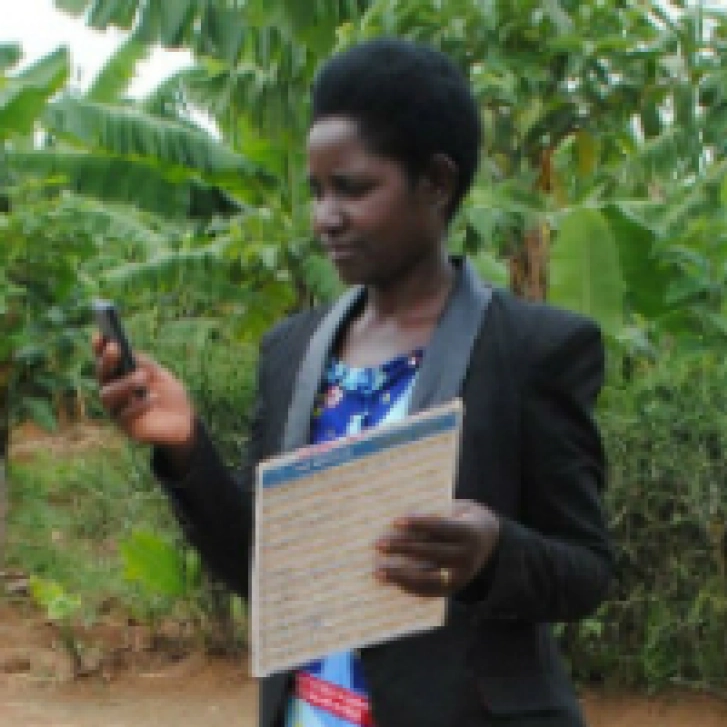
After a period of war and genocide, Rwanda launched a national health insurance program that is now delivering sharply improved outcomes.

There is an urgent need to expand the infrastructure for results-based policymaking at all levels of the US government.

A pilot project in China aims to give the country’s family-planning agency a new mission: supporting early child development.

Through a new initiative, Ashoka hopes to make the field of US social entrepreneurship more diverse, geographically and otherwise.

In Belgium, leaders of a nonprofit are using a pay-for-success mechanism to fund a program for young migrant job seekers.

A shift in the language used to describe and report social impact reflects the influence of an elite group of financial professionals.

During a critical period in its history, Greenpeace restructured its organization in order to leverage gains made at a local level.

When a for-profit company partners with an NGO, it must carefully manage employees’ adjustment to a new organizational context.

The demographic profile of Airbnb users doesn’t quite reflect the egalitarian goals of the “sharing economy.”