


Rewilding Portugal
NGO ATN preserves and restores the biodiversity of northern Portugal to counterbalance the effects of climate change.
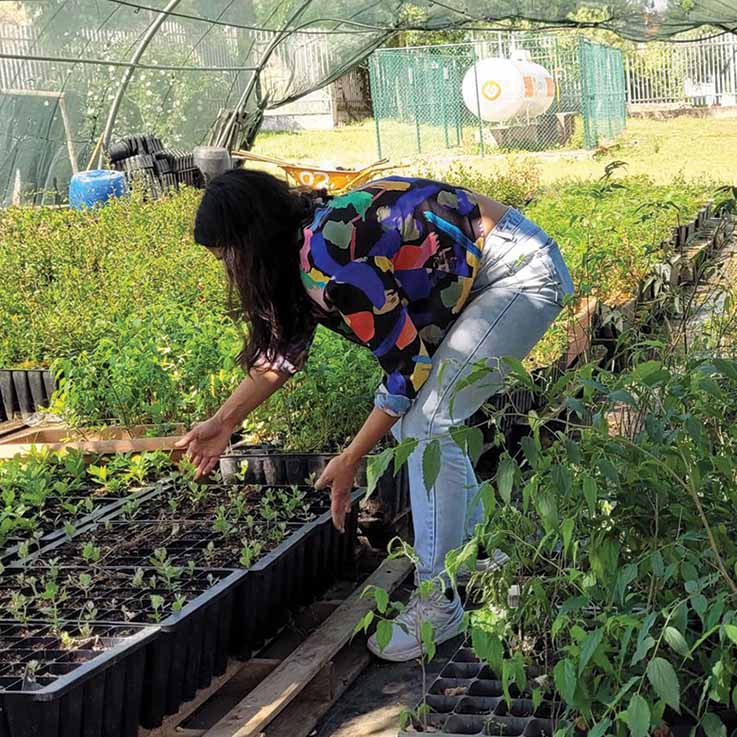
NGO ATN preserves and restores the biodiversity of northern Portugal to counterbalance the effects of climate change.

One of India’s largest cities launched the world’s biggest public-private partnership metro rail project to construct essential public transit for its bustling metropolis. Its leaders overcame numerous hurdles by cultivating a stakeholder mindset.

Foundations can turn the decision to spend down into a long-lasting and impactful legacy.

Imagine a nurse for every census tract of the United States. We must transform nursing education to make that vision a reality.
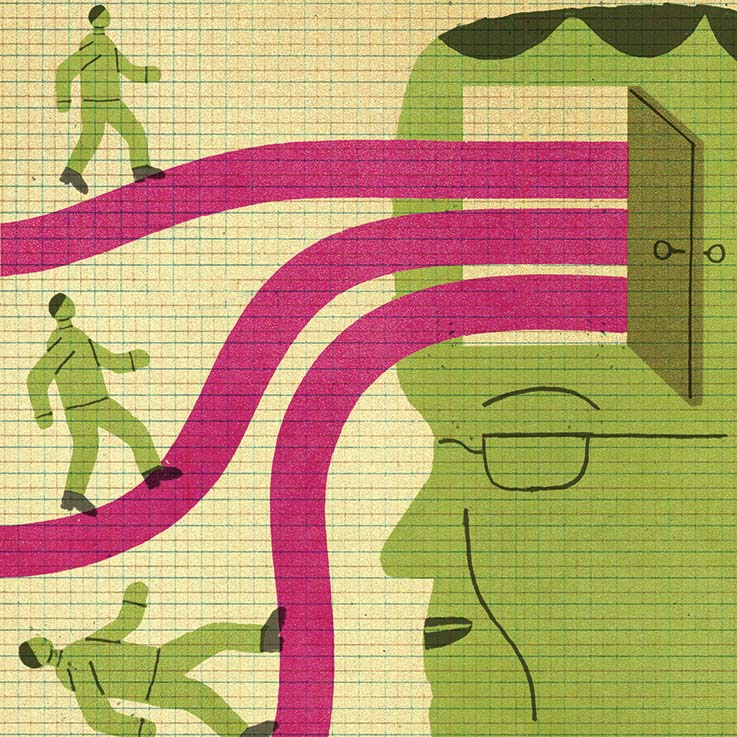
Public Exchange creates streamlined pathways for public and private sector leaders to tap academic expertise. This model accelerates solutions to challenging social and environmental problems and enhances the social impact of academic research.
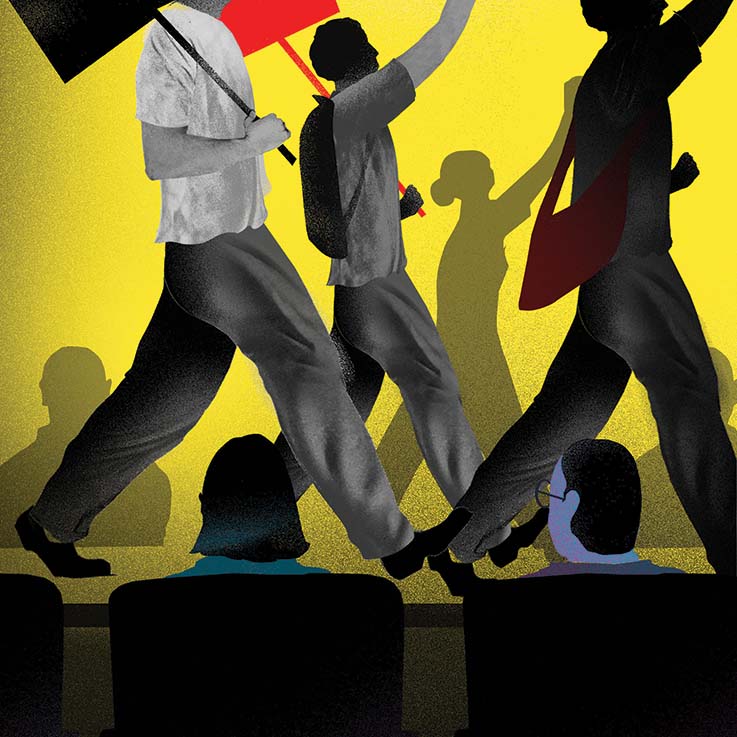
Women’s March protests convinced companies to select more female board members.

Incivility between doctors and nurses leads to higher rates of patient death and medical errors.

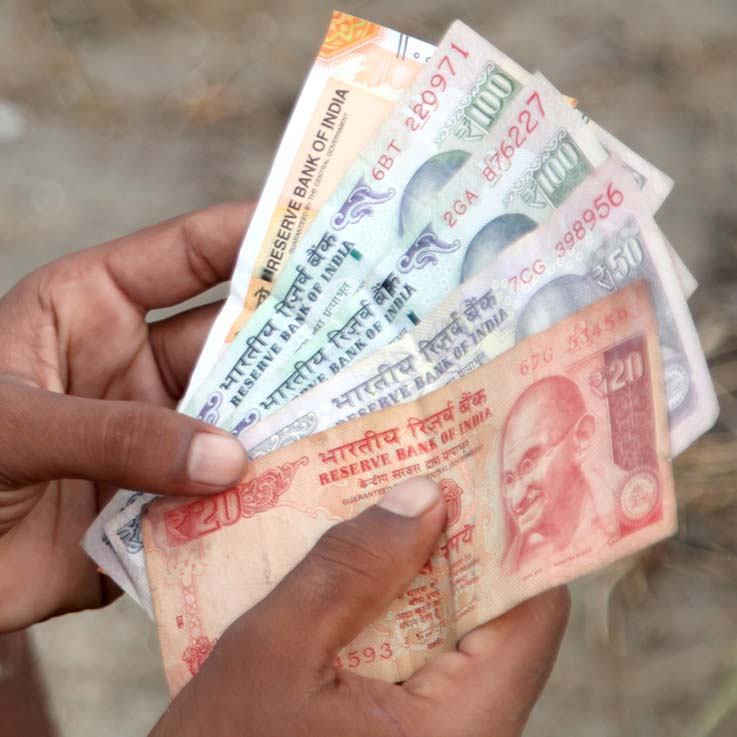
Microfinance relies on social networks for repayment, but those same networks can backfire during a financial crisis.
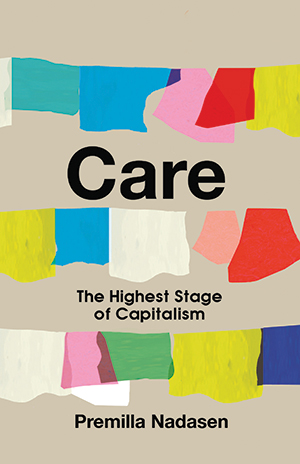
Premilla Nadasen’s Care: The Highest Stage of Capitalism demonstrates how the labor of caring is a site of economic extraction.