

Social Innovation in Washington, D.C.
A look at what’s needed next to create the right policy environment for innovation and results.
New and innovative ideas for leaders of foundations (more)

A look at what’s needed next to create the right policy environment for innovation and results.

There are unconventional methods one can use to evaluate advocacy organizations and make strategic investments in that arena.
One foundation leader is demonstrating what a community foundation can do to defend nonprofits in their area from state budget cuts.

Rajesh Shah, a 2010 Tech Award winner, shares his social entrepreneurship model that leverages technology, new media, and peer interaction to solve the water crisis.
Figuring out how to leverage your knowledge against the largest pool of capital possible is the path to being the best possible philanthropist or investor.
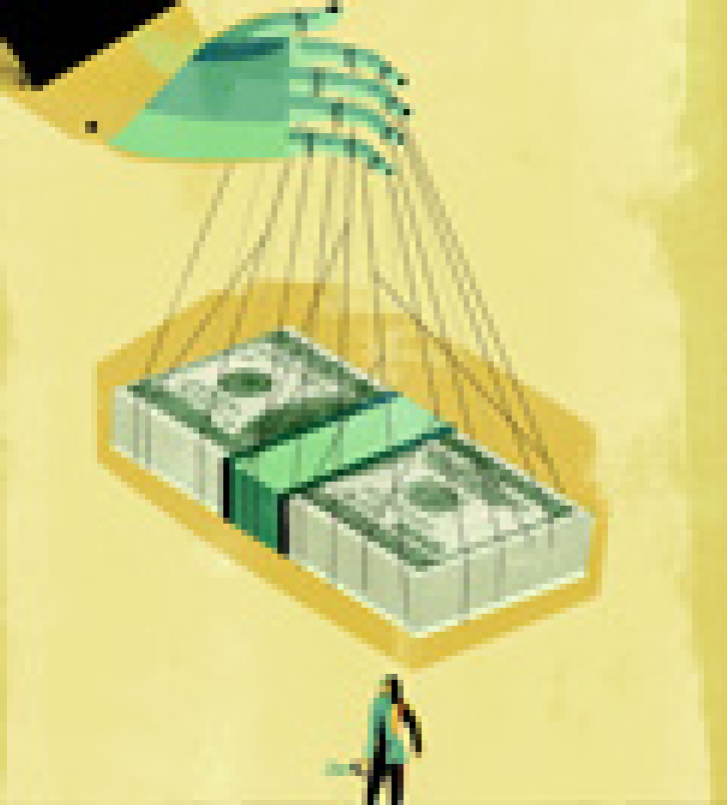
Two insiders explore why foundations micromanage how social problems are solved and explore what grant makers can do to foster high impact strategies.
The problem with “changing the world” is that it probably involves invoking impossibly superficial means to address oversimplified problems.
It comes down to this: We’re all operating in a dysfunctional market for impact.
Response to the fact that a majority of surveyed funders devoted 10 percent or less to tech-related grants and activities.
I believe that there are three core approaches to philanthropy, each of which can be effective.