How to Give Adolescent Girls Voice, Choice, and Control
A framework for programs focused on empowering adolescent girls.
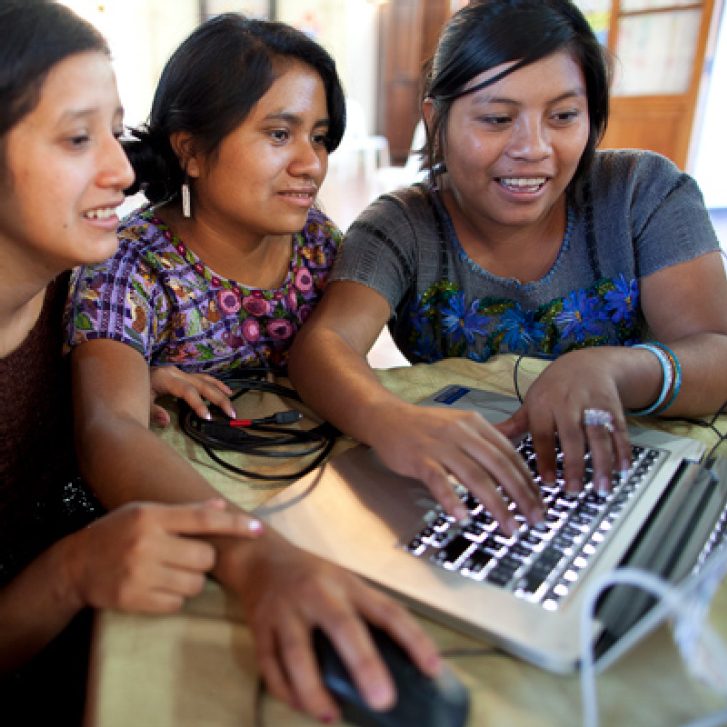
A framework for programs focused on empowering adolescent girls.

Highlights of this year’s book reviews and excerpts on issues including women’s inequality, sustainable leadership, and the hypocrisy of elite philanthropists.
We’re in big trouble if complicated, expensive schemes like these are what it takes to get big funders to fund for impact.
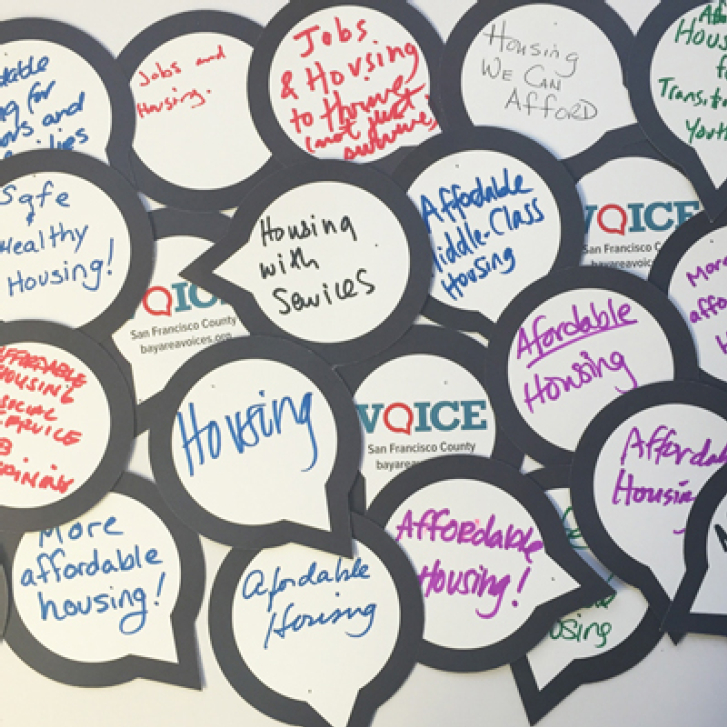
Based on feedback from community listening sessions and consultations with local experts, The San Francisco Foundation reshaped its grantmaking strategy and role in addressing the inequities facing Bay Area residents. Part of a series produced for SSIR with the support of the Hewlett Foundation.

An excerpt from Africa's Business Revolution: How to Succeed in the World's Next Big Growth Market shows how "doing good" and "doing well" go hand-in-hand.
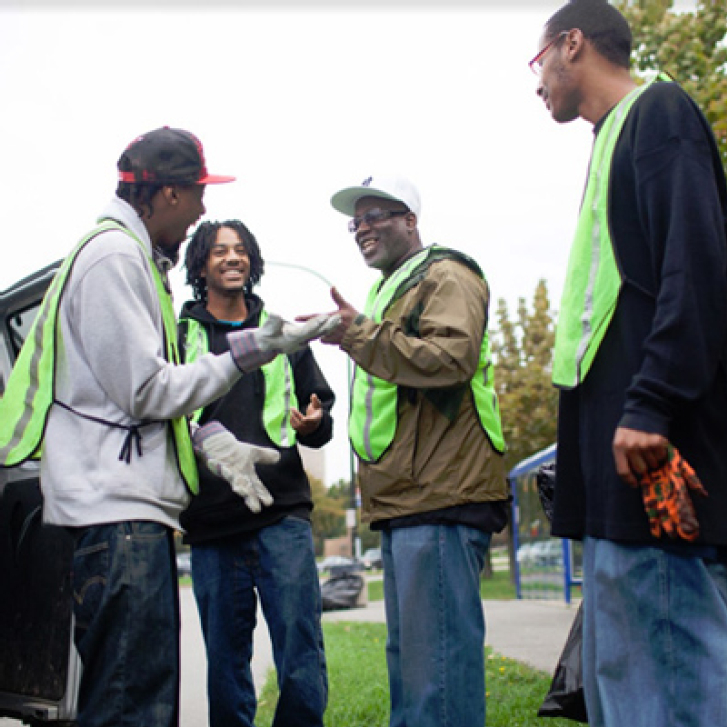
How shifting attention from gathering data about clients to gathering data from them helped a criminal justice organization improve services for participants and increase equity in the process. Part of a series produced for SSIR with the support of the Hewlett Foundation.
In Challenge Culture: Why The Most Successful Organizations Run on Pushback, Dunkin’ Brands chairman Nigel Travis explains the usefulness of open and honest communication.

How foundations, nonprofits, and others can effectively convey—and convince policymakers to support—their programs and proposals for social change.

Activists can be more successful at solving problems in their communities by using three simple strategies to connect local, national, and global narratives.

A new French law is about to revamp the country’s civil code and its 200-year-old definition of the corporate purpose.