


A New Model for Citizen Engagement
By transforming municipal volunteering programs into “impact volunteering” efforts, leaders and citizens can lay a foundation for civic renewal.
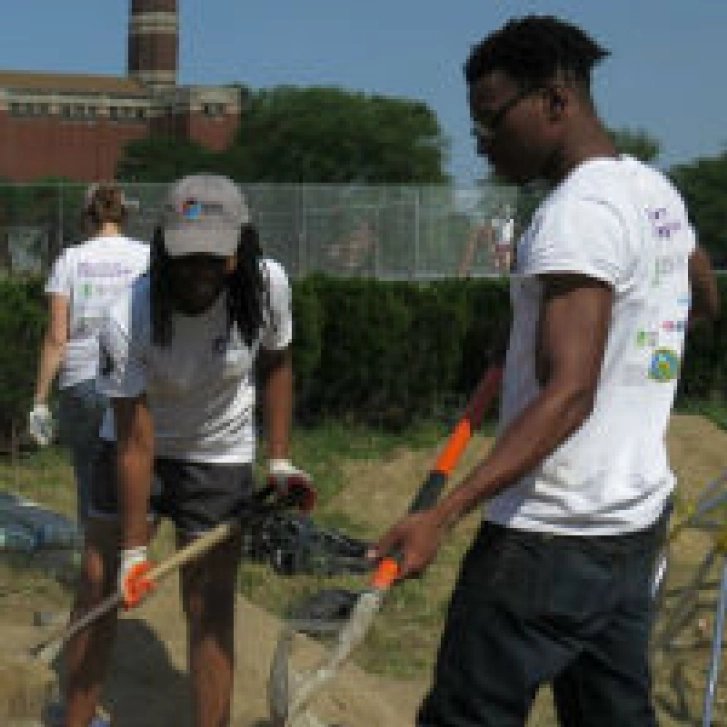
By transforming municipal volunteering programs into “impact volunteering” efforts, leaders and citizens can lay a foundation for civic renewal.

Philanthropists should create collaborative relationships with grantees that cultivate critical thinking, learning, and adaptation.

Behind the success of Triodos Bank success lies a pattern of refusing to take easy or obvious steps to drive growth.
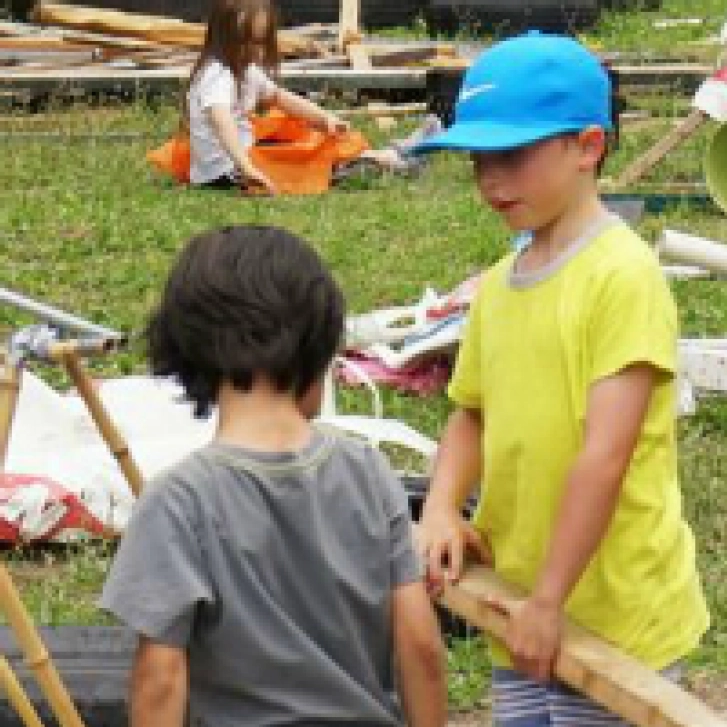
A New York City nonprofit aims to re-engage kids with creative, risky outdoor activities.

The White House, manufacturing, e-commerce, and nonprofits team up to get diapers to families in need.
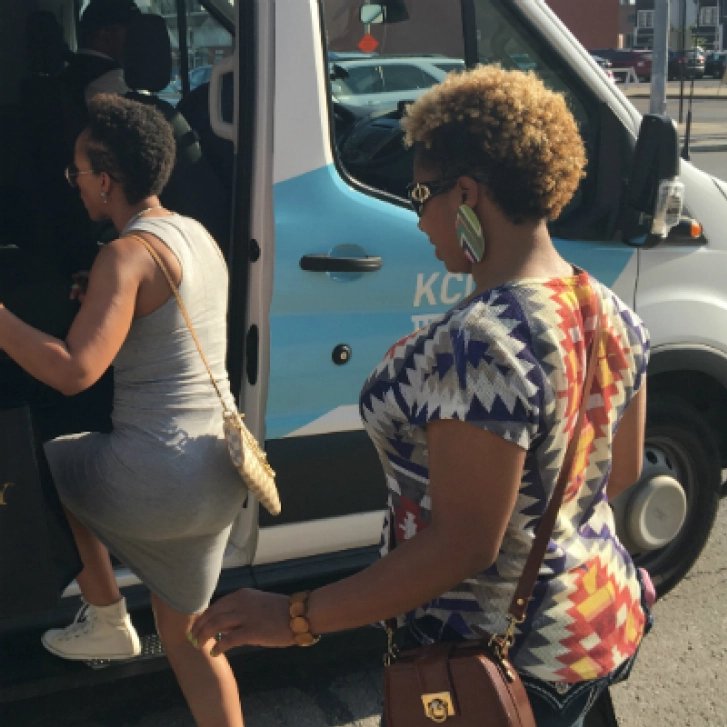
A partnership between a ride-sharing company, a municipal transportation authority, and Ford is expanding transit access in Kansas City.

Farmers in the Cordillera region of the Philippines prosper by selling heirloom rice, with help from a company called Eighth Wonder.

Four years ago, a Northern California bookstore reinvented itself as a hybrid social enterprise—and its story continues to unfold.
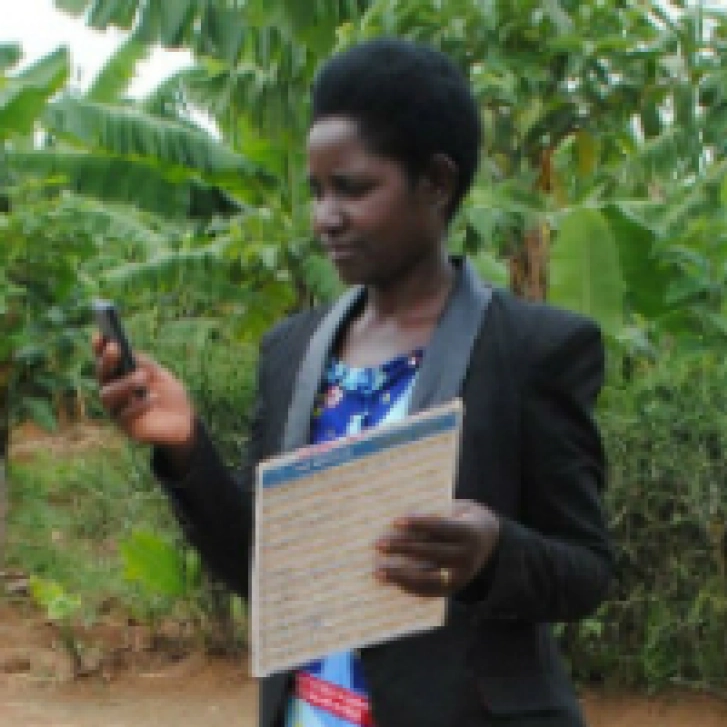
After a period of war and genocide, Rwanda launched a national health insurance program that is now delivering sharply improved outcomes.
There is an urgent need to expand the infrastructure for results-based policymaking at all levels of the US government.