After the One Child Policy
A pilot project in China aims to give the country’s family-planning agency a new mission: supporting early child development.

A pilot project in China aims to give the country’s family-planning agency a new mission: supporting early child development.

Through a new initiative, Ashoka hopes to make the field of US social entrepreneurship more diverse, geographically and otherwise.

In Belgium, leaders of a nonprofit are using a pay-for-success mechanism to fund a program for young migrant job seekers.

When a for-profit company partners with an NGO, it must carefully manage employees’ adjustment to a new organizational context.
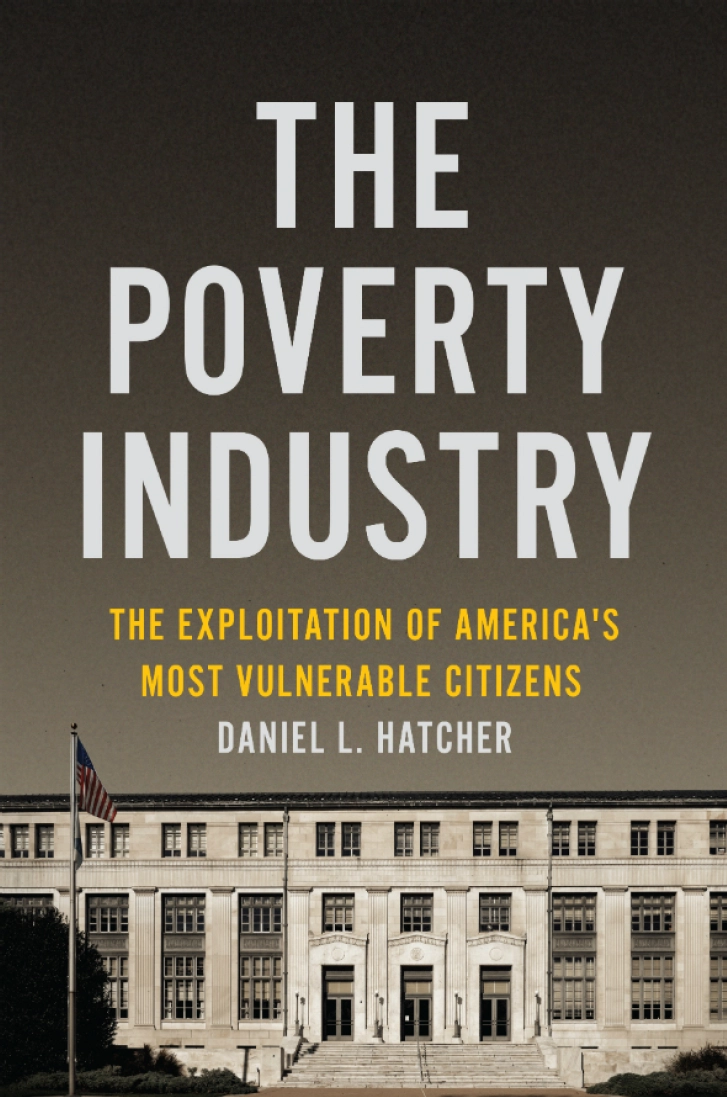
How social services agencies are squeezing revenue from the poor and vulnerable people they’re meant to serve.
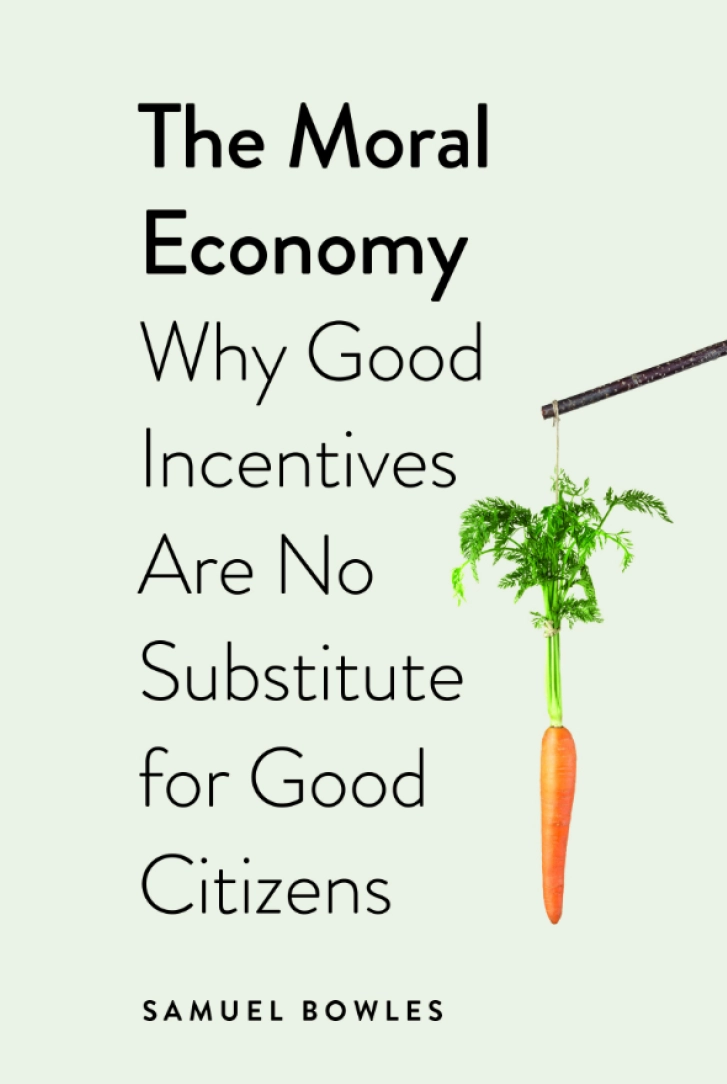
When we pay people to do things that they know they should be doing as good citizens, they tend to devalue the moral basis for acting that way.
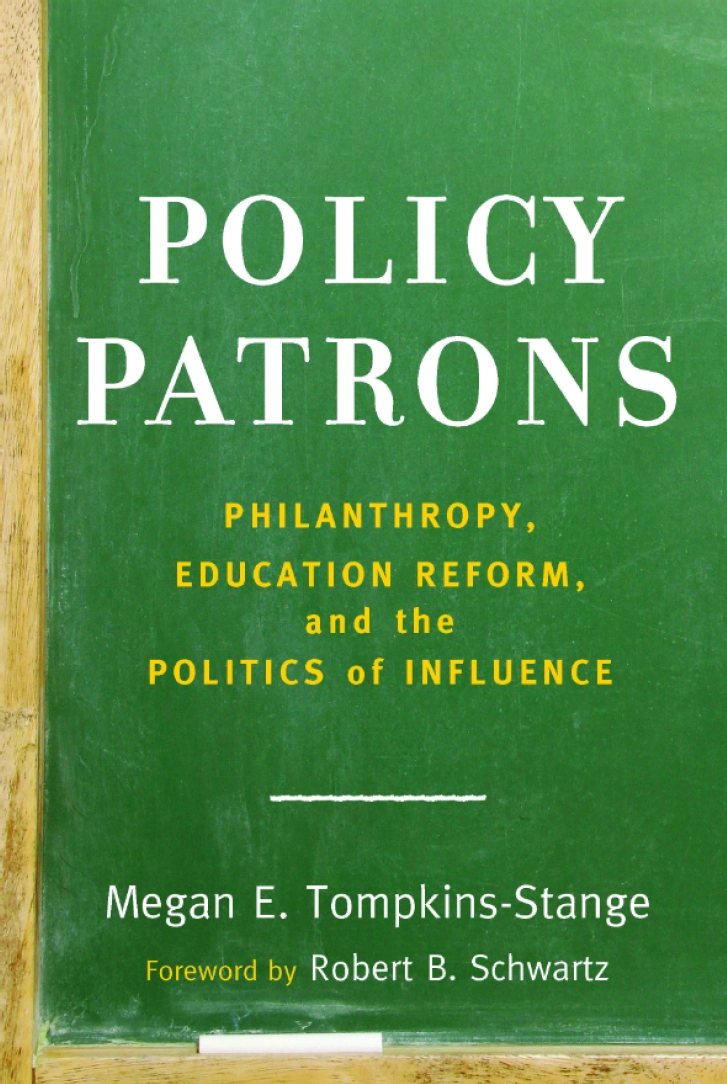
We should be more concerned about foundations’ outsized role in education policy.
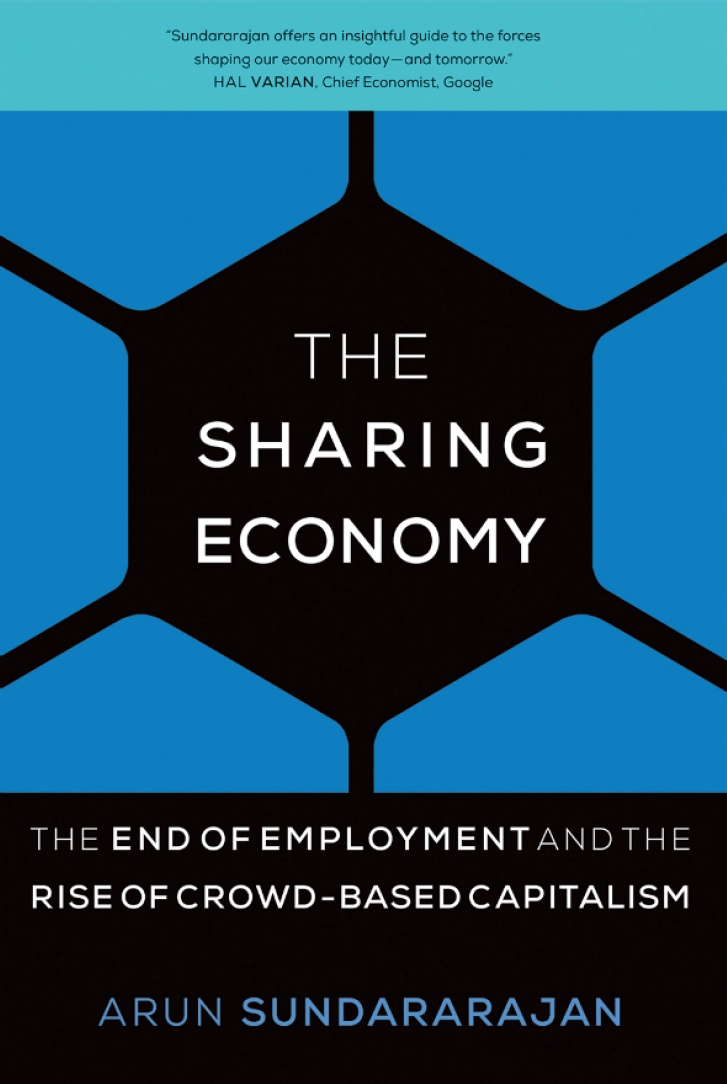
The sharing economy can help us coordinate economy activity, but that’s not the same thing as building interpersonal trust and understanding.
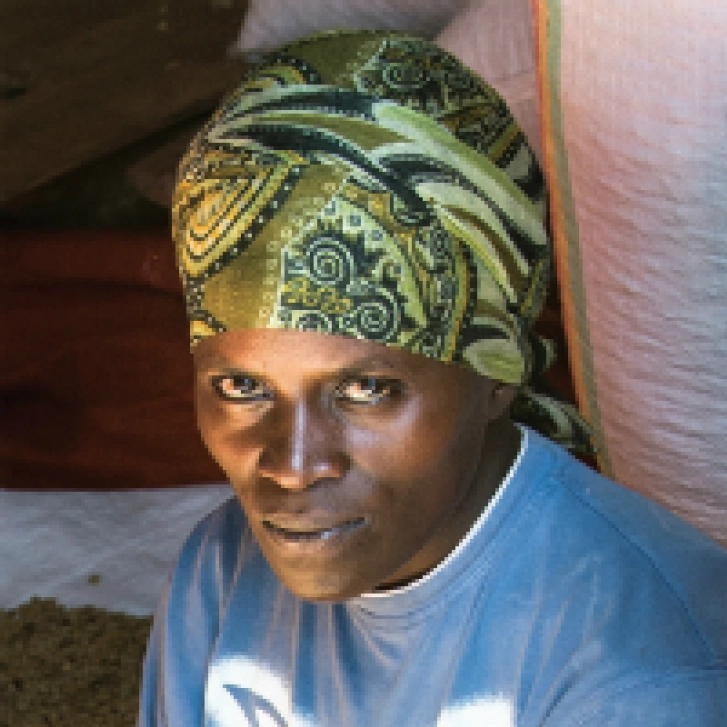
Many of the more than 355,000 smallholder coffee farmers in Rwanda are members of producer co-ops.
The number of companies offering employee engagement and happiness surveys, feedback tools, pulse checks, and culture assessments is exploding. How are social sector organizations using them?