


The Power of Social Procurement
The hospitality sector can better serve its customers and communities if it rethinks how it procures goods and services.
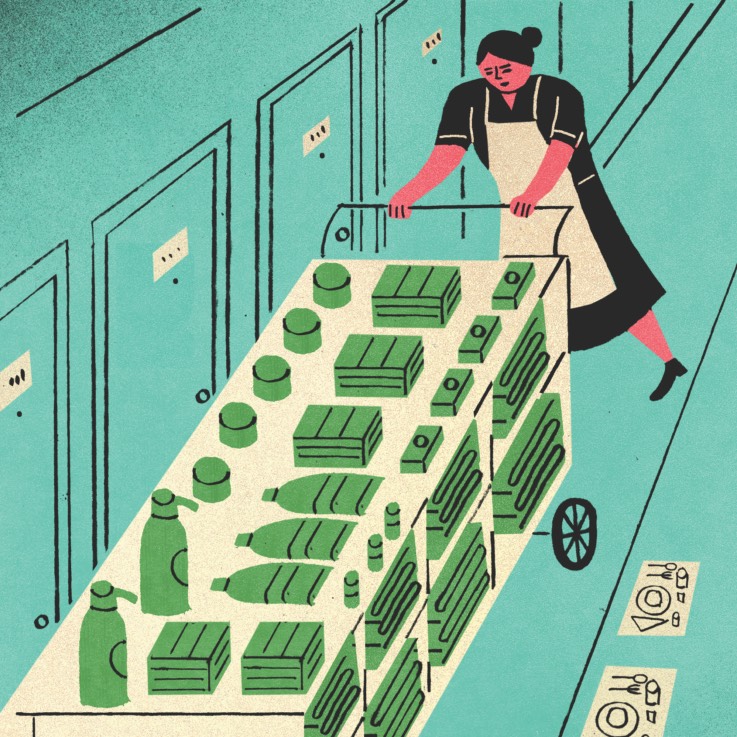
The hospitality sector can better serve its customers and communities if it rethinks how it procures goods and services.

Queer Voices’ audio-walking tours re-create LGBTQ+ history in Leipzig and Halle in former East Germany.

Companies in Taiwan with ties to the ruling party invested in public welfare to reduce the potential for popular backlash during the nation’s democratic transition.
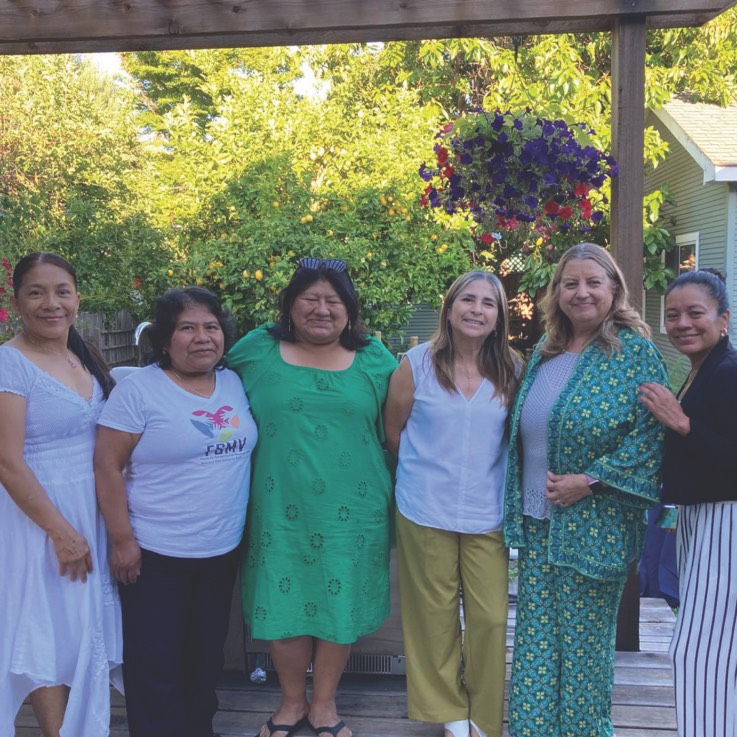
A grassroots effort in Silicon Valley addresses the needs of the working-class immigrant community.

How companies are responding to US policy changes and what they should do instead

Nonprofit board fellows programs can be mutually beneficial to students, business schools, and partner organizations.

We need to design for what African governments can do and will pay for.
Food pantries across the United States are experiencing rising demand and shrinking resources. Guests in this episode discuss these challenges, US public policy to alleviate hunger, and how donors can support food pantries and anti-hunger organizations in a time of increased need and economic uncertainties. A sponsored podcast developed with the support of DAFgiving360

Just a few years ago, philanthropy showed what it could be at its best: nimble, coordinated, unusually brave. This time, facing the sudden slashing of foreign aid, the cavalry is quieter.

International development programs are bringing men into caregiving for the good of families, societies, and men themselves.