


SSIR Online, Spring 2025 Issue
A collection of standout pieces published online about co-leadership, democracy, multigenerational living, Gen Z, and global development’s power dynamics.

A collection of standout pieces published online about co-leadership, democracy, multigenerational living, Gen Z, and global development’s power dynamics.

Worsening conflicts around the world need more than state actors to resolve them. Community-based organizations are working to heal the social fragmentation at the root of mass atrocity and identity-based violence.
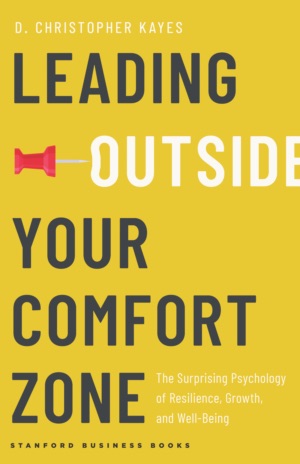
D. Christopher Kayes offers a compassionate, albeit slim, guide to resilience-building for leaders.

The disappearance of the recycling coordinator role, is a testament to an environmental success story: the institutionalization of recycling in higher education.

Philanthropists have been accused of donating disproportionately to major media outlets. An alliance of small news nonprofits seeks to make funding more equitable to save the news industry.
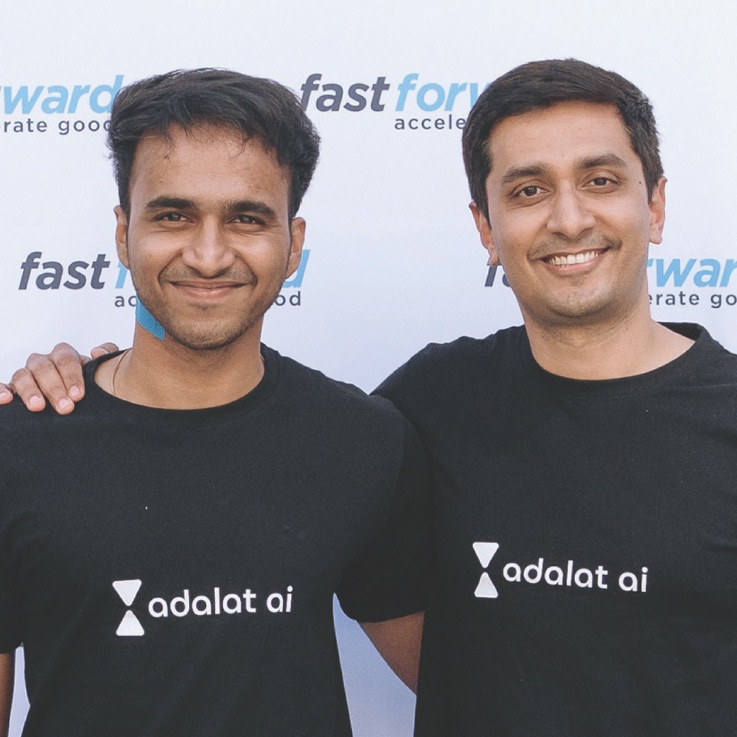
A new AI-powered technology is expediting India’s notoriously dilatory legal system.
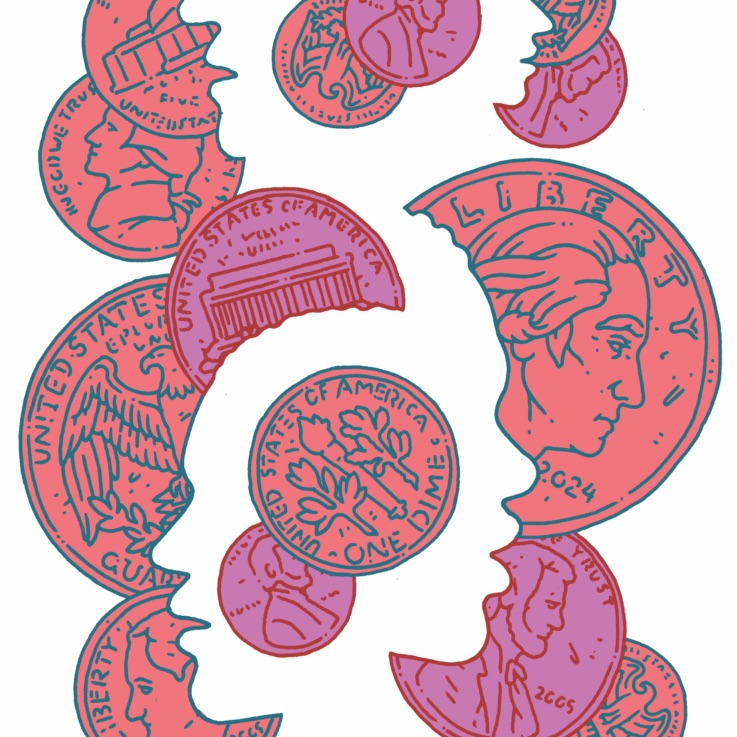
The overdose crisis exposes how funders allow themselves to be diverted from impact.
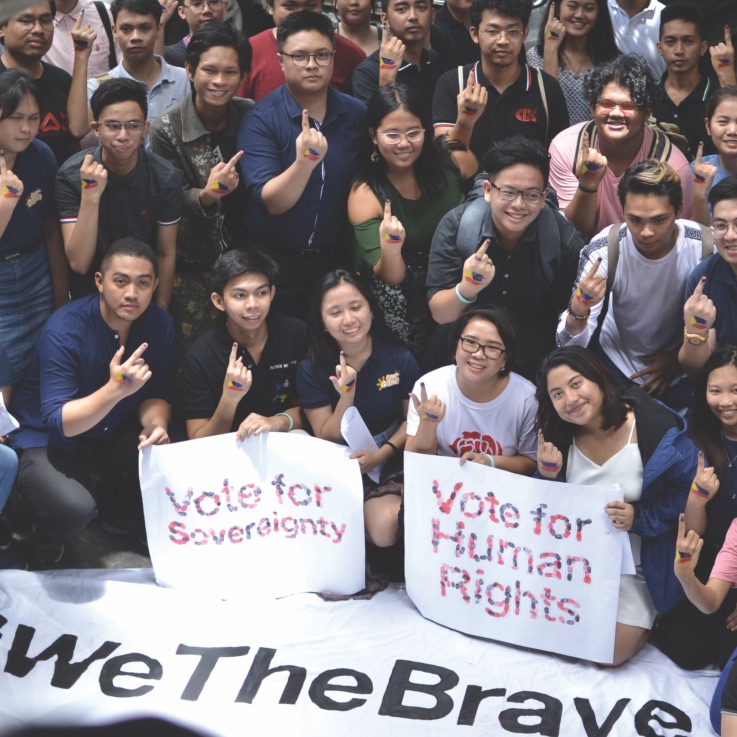
The artist-activist collective DAKILA is organizing young people to push for their own political agenda.

Although often triggered by organizational stress, asset transfers should be seen not as a sign of organizational failure but as a valuable way to help both sides of the transfer achieve their goals. | Open access to this article made possible by The Sustained Collaboration Network

Push for short-term gains generates greater complaints about ESG issues among stakeholders.