


Addressing Cultural Appropriation and Repairing Harm
A model for lasting change through authentic, transformational partnership.
A model for lasting change through authentic, transformational partnership.
How does a poverty-fighting organization like Henry Street Settlement in New York City use arts education to strengthen the community and “serve the whole person” as its president and CEO puts it? How can donors best support these programs? David Garza of Henry Street Settlement, Kevin Greaney of PhilARThropy, and Eric Joranson of DAFGiving360 join SSIR editor Barbara Wheeler-Bride to discuss the importance of arts education and how donors can sustain these programs over time. A sponsored podcast developed with the support of DAFgiving360
Embedding social innovation across sectors is how we drive more durable systemic change. Even in the most challenging times, here are three ways to do that.
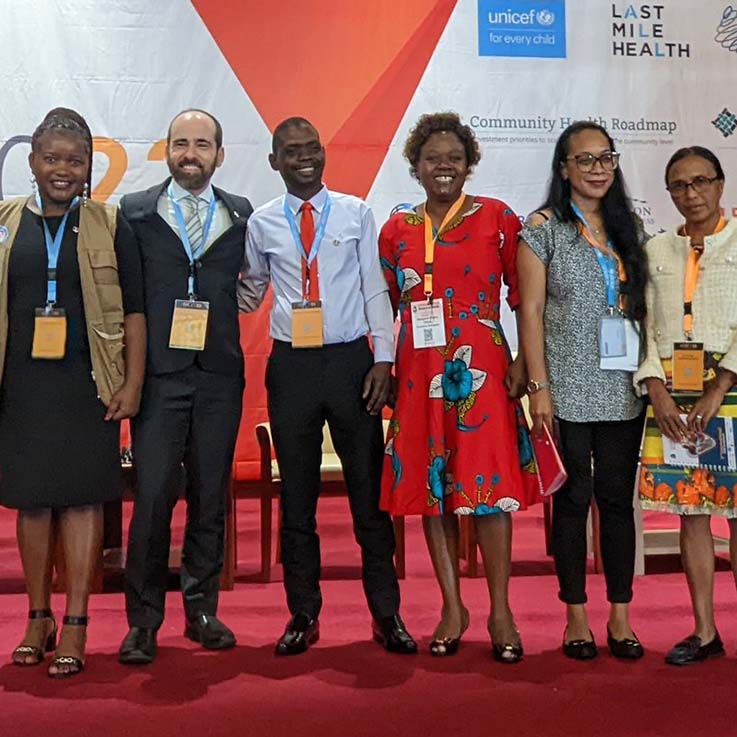
Health coalitions did the research, coordinated with donors, and secured strong government buy-in. Now, community health workers are finally getting the credit—and pay—they deserve.

Indigenous and local community-centered solutions to deforestation are among the most effective and enduring strategies for mitigating climate change. Social innovators in these communities pioneered a new playbook for getting the world to take notice.

This follow-up to “Social Innovation and the Journey to Transformation,” sponsored by the Skoll Foundation, explores how bold social innovators shift systems through collective action. The series offers adaptable playbooks for social innovators, partners, and funders to learn from and apply to their work.
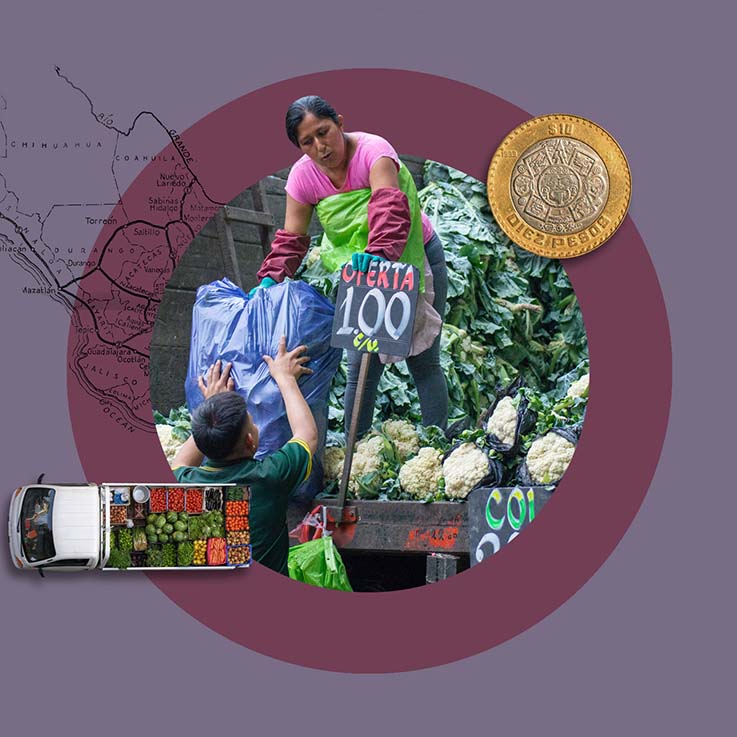
How philanthropy can help build a more resilient and equitable food system through agroecology

Why data is one of the biggest challenges to leveraging AI for social good—and how the social sector can address it
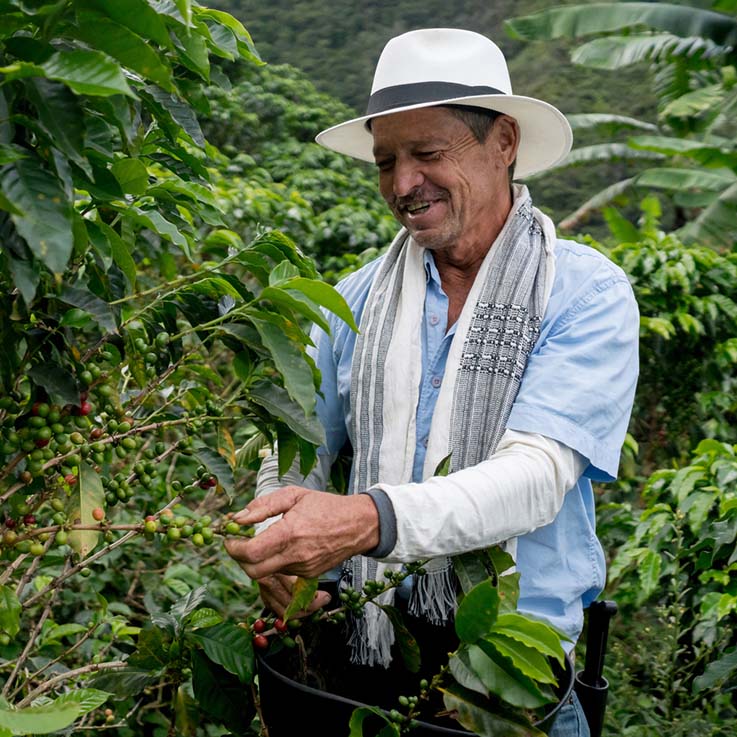
Alternative forms of enterprise ownership have the potential to enable economic development in more inclusive and equitable ways.

An excerpt from This Little World: A How-To Guide for Social Innovators on proven strategies for increasing the relative size and scope of a social impact project