


Growing Urban Agriculture
To feed the world’s growing population, we must do more to promote the success of urban farms through better tracking, financial incentives, land use, and support systems.
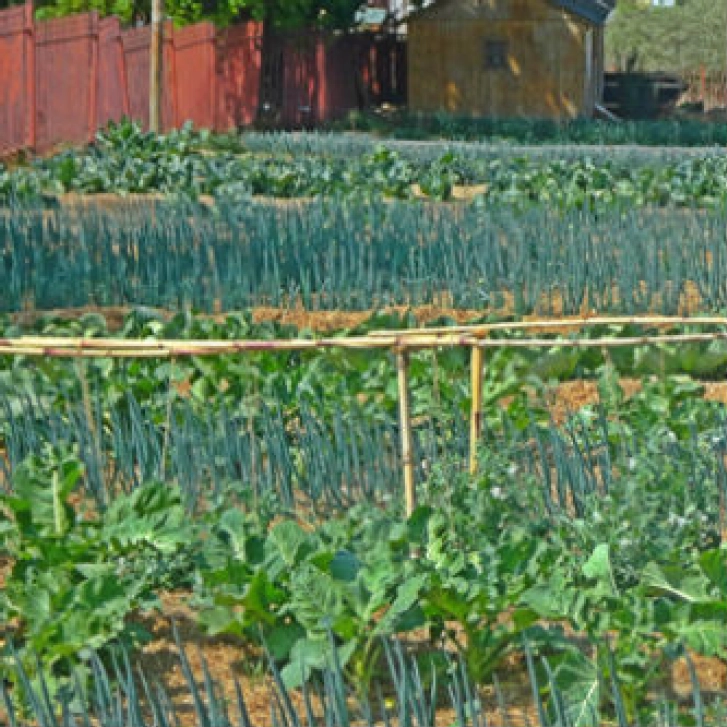
To feed the world’s growing population, we must do more to promote the success of urban farms through better tracking, financial incentives, land use, and support systems.

How a social service organization defined equity and made it a core of its programs for low-income families in the Northern Kentucky/Greater Cincinnati, Ohio region.

How a regional college consortium in California’s Central Valley uses technology and alternative programming to create equitable educational pathways for students with “some college, no degree.”
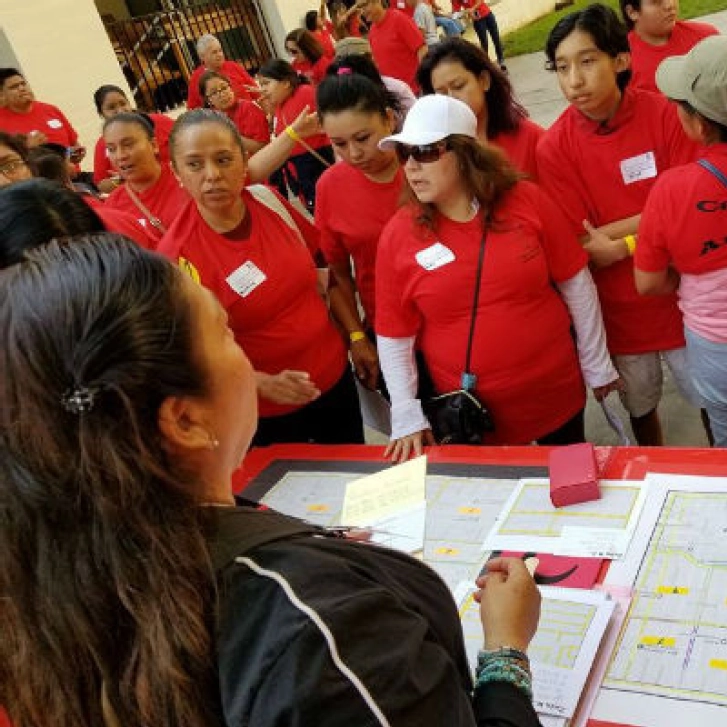
How an educational access collaborative evolved to give parents more say in creating educational opportunities for their children and help expand opportunities for first-generation students.
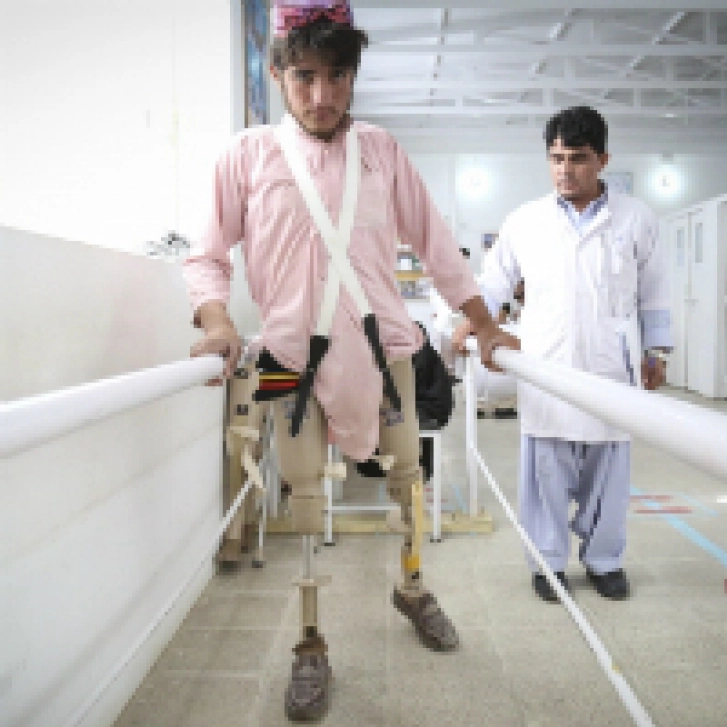
Why pay-for-success models of humanitarian impact investing offer promise for the future.

How to reframe government adoption of social innovations.

How education and careers connected to the aging population can provide an opportunity for economic growth.
Truly improving children’s educational outcomes at scale requires unorthodox approaches. One promising yet largely neglected approach is to systematically leverage the private sector’s agenda.
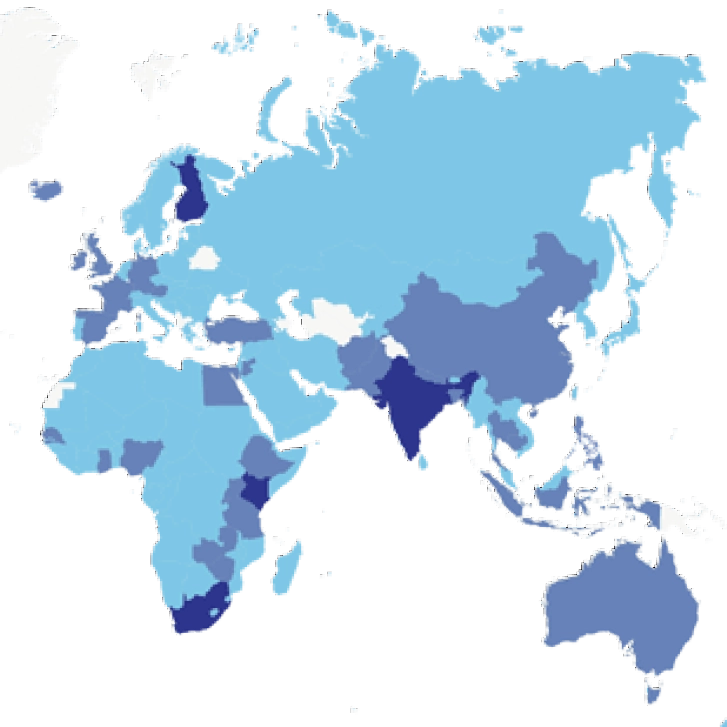
A new approach to addressing skills uncertainty and inequality across the globe.
Investors need to better educate themselves about the local context in which their funds are deployed.