


A Question of Outcomes
For more and more social change efforts, the key to success lies in clearly defining the desired results for beneficiaries.

For more and more social change efforts, the key to success lies in clearly defining the desired results for beneficiaries.

Iterative design methods are essential to development work—even (or especially) in regions marked by war and violence.

Through an online crowdsourcing platform, one foundation is reaching new types of partners who offer new types of solutions.

Solving the problem of rural distribution in the developing world starts with following the time-honored model of local traders.

Disapproval of welfare recipients who use their benefits to buy “ethical” but costly items is widespread.

Contrary to conventional economic wisdom, relying solely on carbon taxes will not create an optimal transition to clean energy.

We should care about who is able to control and distribute data, but information is more than just a commodity.
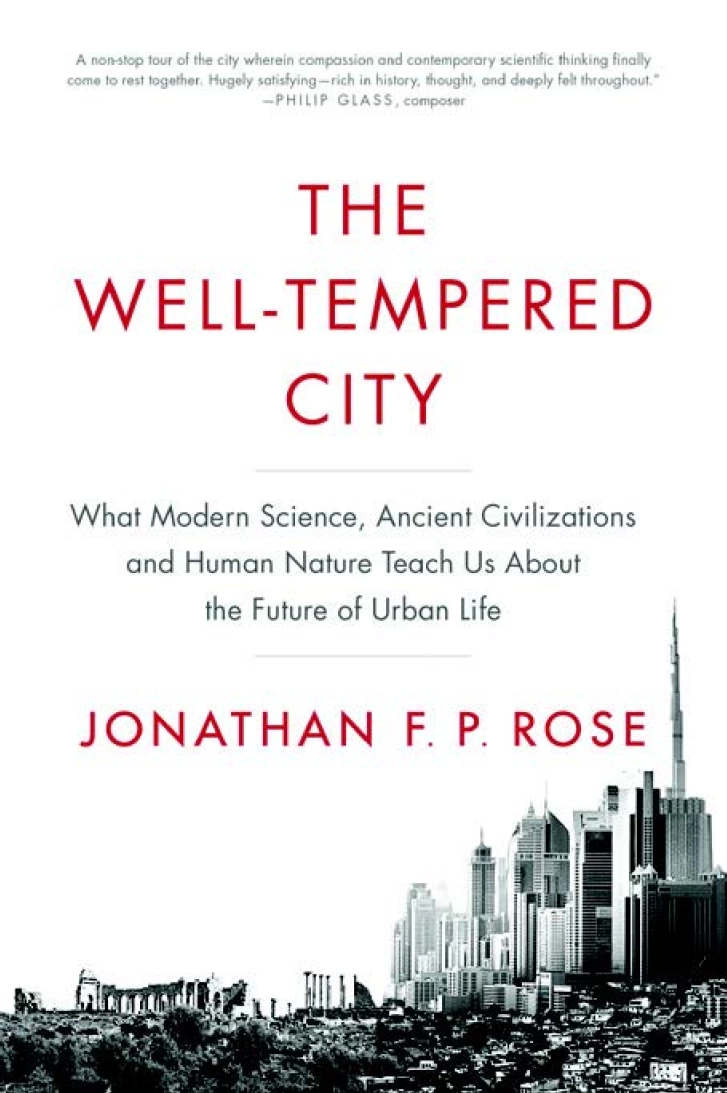
Rose’s bold theory, which offers a new framework for urban planning, could benefit from equally comprehensive recommendations about how to implement it.

A new book makes a strong case for connecting healthcare to neighborhoods, but it could focus more on the role of race and ethnicity.

It can be tempting to overgeneralize about patterns in China’s economic development—even for scholars who acknowledge the country’s great diversity.