The Circular Economy Takes on Food Waste
Eliminating food waste is economically plausible and can unleash new opportunities for businesses.
Eliminating food waste is economically plausible and can unleash new opportunities for businesses.
For years, the international aid community has stigmatized, mistreated, or simply ignored the millions of people who suffer from mental illness. We need a new approach.
Higher voter turnout in those primaries would help prevent polarization and encourage a well-functioning legislature.
Tackling the nitty-gritty operational details of scale before you start can ease growing pains—three lessons from the East Africa-based nonprofit Educate!.
Reverse and frugal innovation approaches have their limits when it comes to health impact for the poor. We need more ways to provide high-quality, affordable products to low-income people.
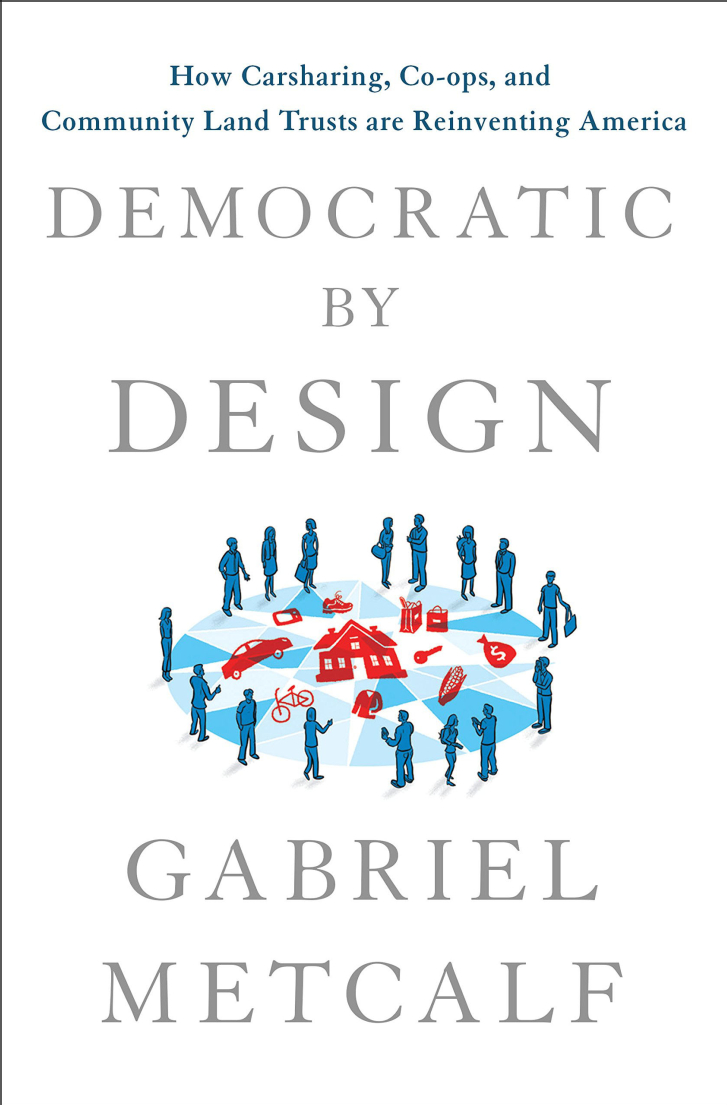
In Democratic by Design, Gabriel Metcalf looks at how small-scale, self-organized projects that work outside the traditional structures of government and business can scale up to effect widespread social change.

Young people can be more engaged in politics, but major institutions must actually want that to happen.
A less-traveled path to education reform: The Bill and Melinda Gates Foundation is catalyzing three social forces to create an epidemic of best practice.
There is no doubt that social change efforts are accelerated by data, but investing in high-quality, cutting-edge research alone isn’t enough to produce solutions. Funders and researchers have to invest more in translating research into action.

More people would vote (and a more diverse group of people would vote) if they knew more about candidates’ fundamental policy positions.