Global Health Speaker Series
CDC Deputy Director for Policy and Communication Donald Shriber speaks about how the agency coordinates and manages its efforts and resources to respond to emerging threats to global health.
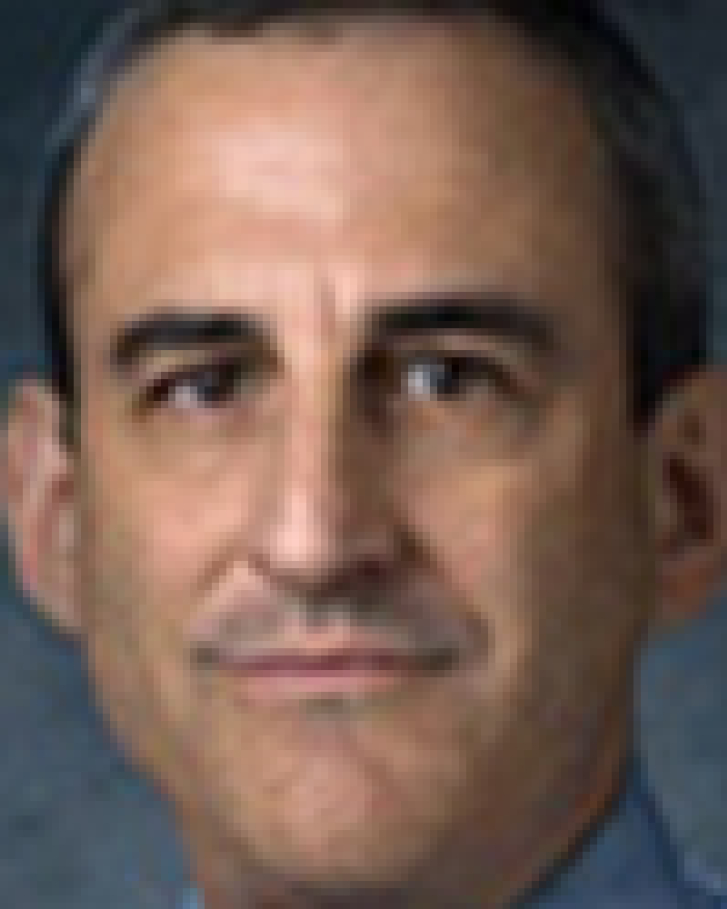
CDC Deputy Director for Policy and Communication Donald Shriber speaks about how the agency coordinates and manages its efforts and resources to respond to emerging threats to global health.

Dr. David Shern, CEO of Mental Health America, and Father Larry Snyder, President of Catholic Charities USA, discuss the potential of nonprofits as catalysts for innovation in health care reform.
Brazilian entrepreneurs are leveraging their deep intellectual, social, and natural resources to drive greater prosperity and create wealth.
We need to shift the narrative to include the link between exceptional solutions and the systems change and scale needed to deliver a just baseline.
The effective philanthropy movement operates on an evidence-based understanding of how the world works.
The Age of Social Entrepreneurship and Enterprise is upon us.
There is a need to develop simplified paths for mobile operators and banks alike to get on the inexorable road to banking beyond branches.
Two ways that nonprofits can take more control of the narrative surrounding the poor in the US.
Academic-nonprofit, cross-sector partnerships have immense potential to influence long-term development, dissemination, and diffusion of technologies.

Stanford Professor Robert Proctor presents scholarly research and advocates for pressure against the forces of the tobacco industry.