


Closing the Research-Practice Gap in Education
Research-practice partnerships can help academic researchers and school district leaders discover what works for schools and classrooms.

Research-practice partnerships can help academic researchers and school district leaders discover what works for schools and classrooms.
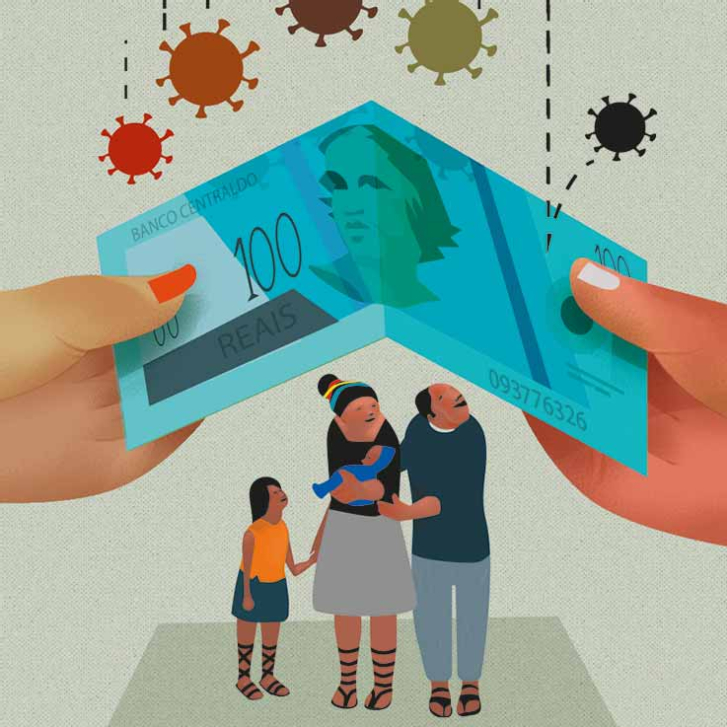
Brazilian civil society worked together to win basic income for the poor. Its success illustrates how organizations must interlock to secure rights and push for social change.

Selfless behavior of key individuals is critical to the development of local institutions for self-governance.

People who have moved tend to be more inclined to donate to non-local causes.
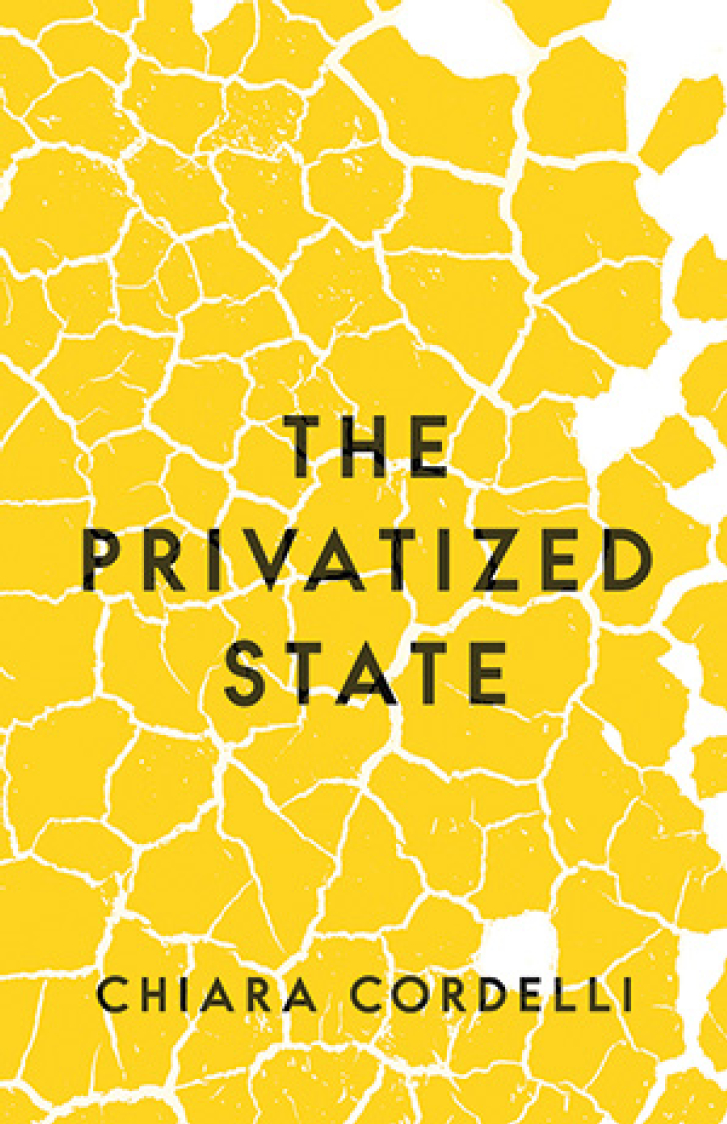
In The Privatized State, Chiara Cordelli explains how the US government divested itself of its duties and offers solutions for rebuilding the republic.

Despite the poverty rate being significantly higher in rural America, philanthropists continue to pour money into urban areas.
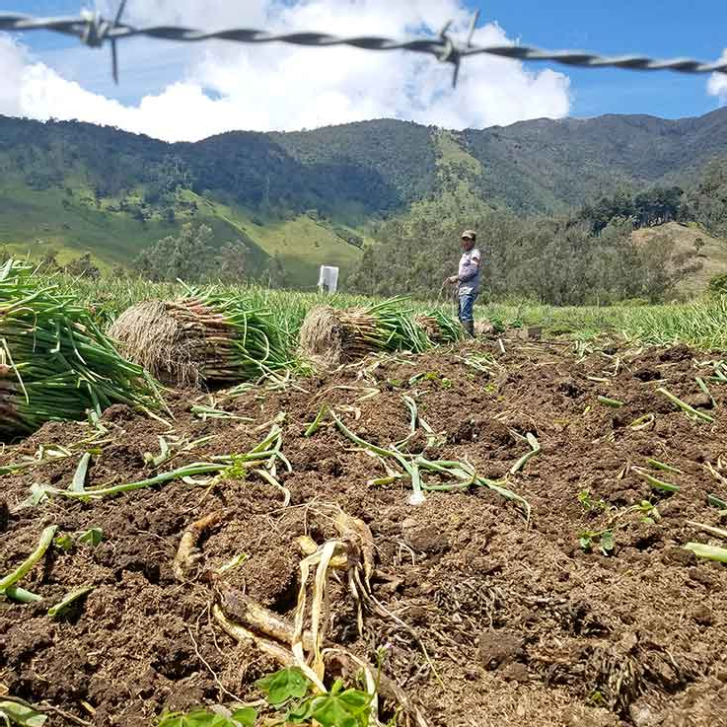
Links to all of SSIR's online-only articles published the past three months, with editors' notes about standout pieces on design thinking, foundation spending, and rebuilding US democracy.
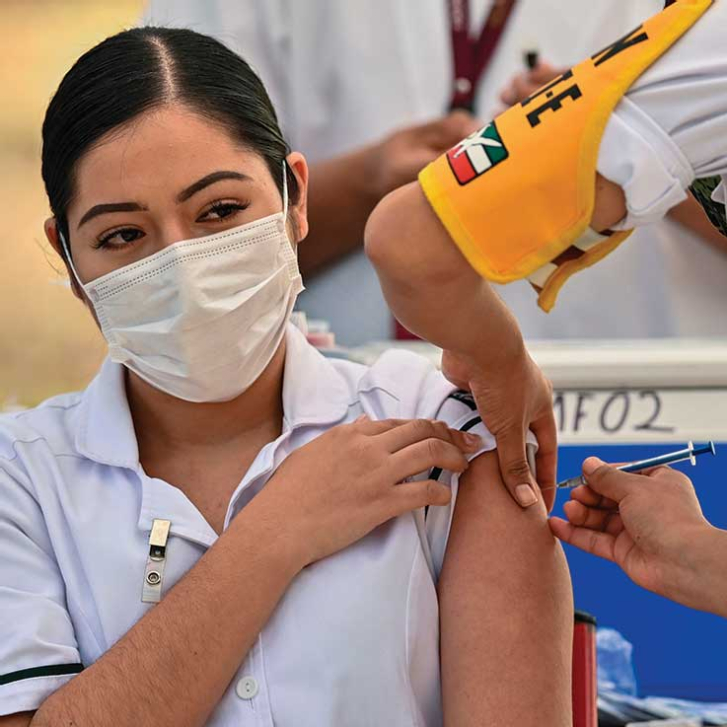
Wealthy nations are making large purchases of approved coronavirus vaccines, leaving other countries to wait longer to acquire the vaccine.

By building strategic alliances with investors and shareholders, Indigenous Peoples are proactively protecting their rights by urging corporate respect of those rights in routine operations.
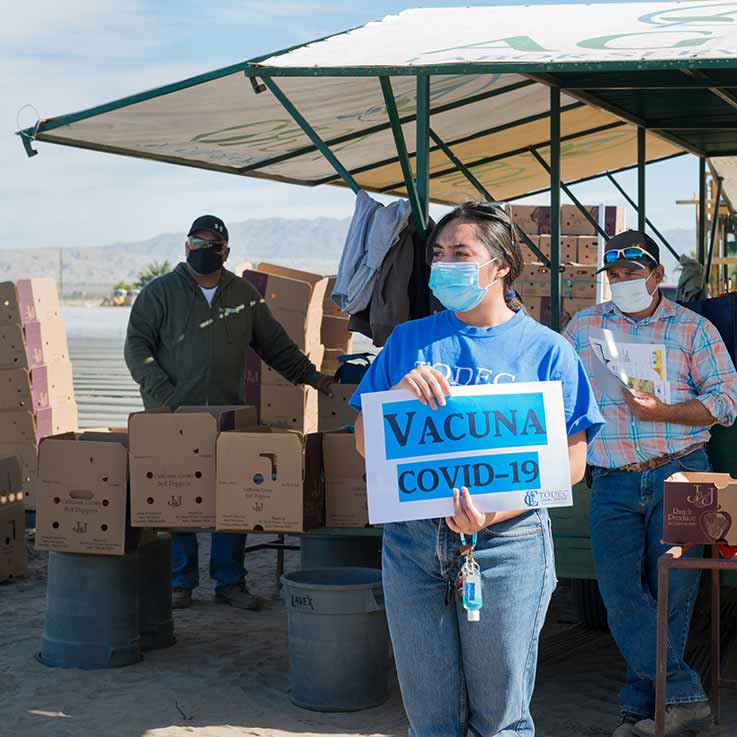
Four ways philanthropy can effectively partner with governments to support equitable vaccination distribution and ensure that more individuals are vaccinated against COVID-19.