


When the System Is at Risk, Cocreate to Win
The Six New Rules of Business offers a path forward for business leaders who aim to do good in the world.
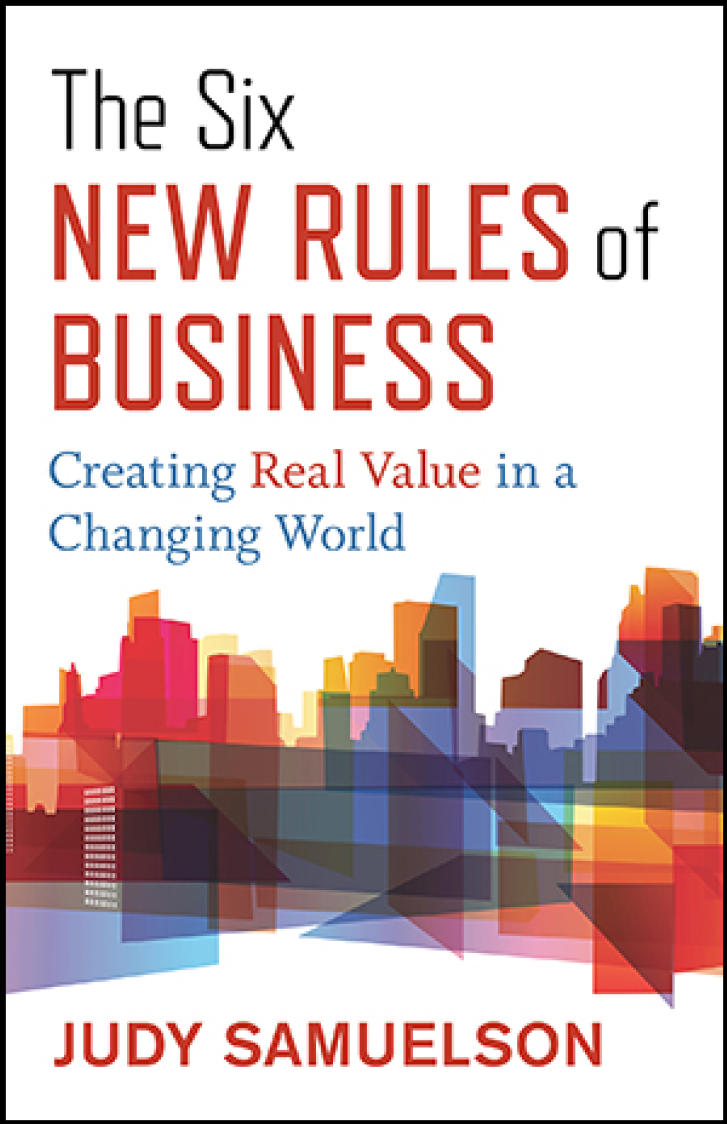
The Six New Rules of Business offers a path forward for business leaders who aim to do good in the world.

Indigenous intermediaries are crucial to overcoming asymmetries between impact investors and Native America through the building of relationships of trust, creation of an ecosystem for impact investing in Indigenous communities, and performance of the due diligence investors need to manage risk.

Twenty years ago, New Markets Tax Credits began transforming America’s underserved communities. While some question the federal program’s impact, one rural Oregon tribe has made them a cornerstone of better health and cultural restoration.
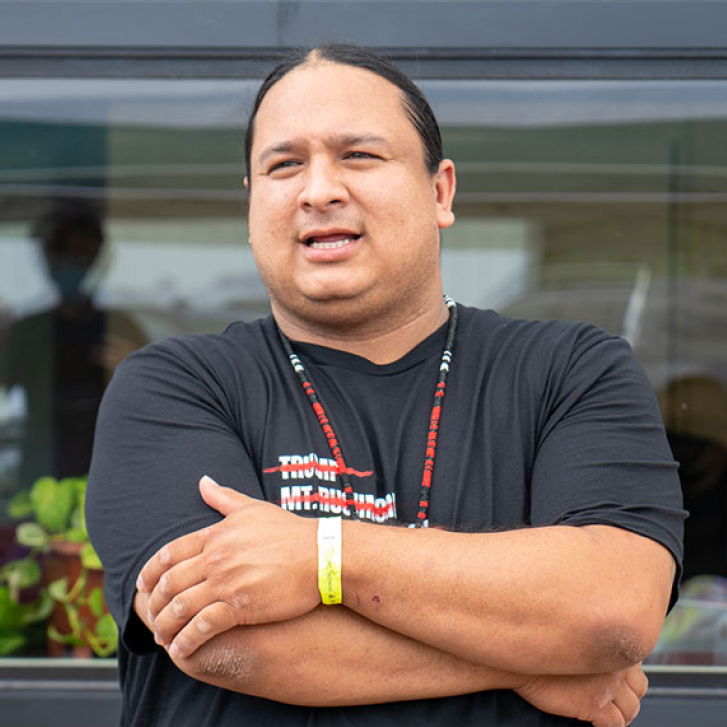
To solve the most pressing issues for Indigenous communities—and for the world at large—power and autonomy must be given to Indigenous people themselves.

Three co-governance models the new administration can use to genuinely empower people, create more-equitable policies, and rebuild trust in democratic institutions.
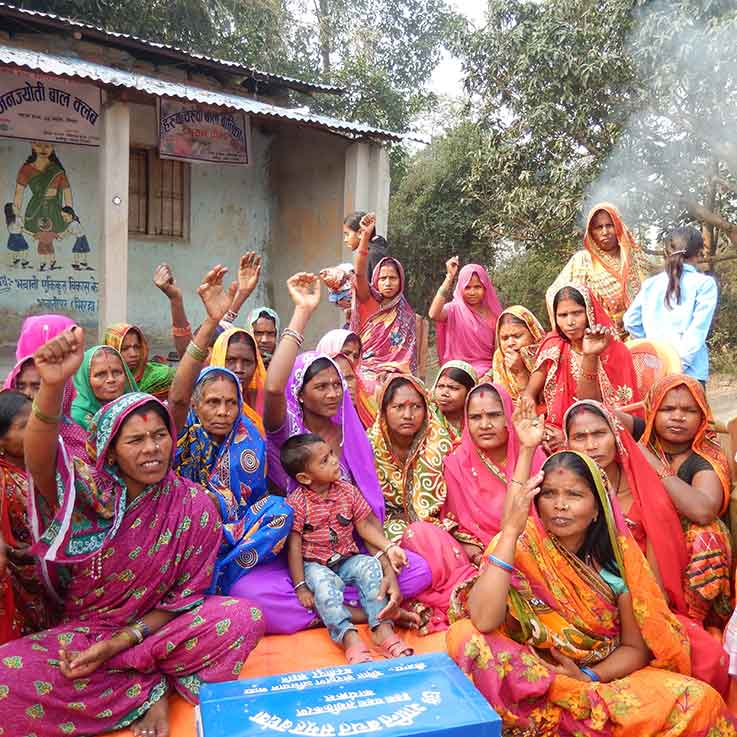
We must listen to survivors: Without providing financial security and the resources necessary to sustain freedom, simply liberating the victims of human trafficking isn’t enough.

To truly advance racial justice, funders must share decision-making power over who receives capital with the communities they hope to serve.

Social and behavioral sciences can help us understand why COVID-19 is making giving practices more localized and expansive.

Enthusiasm for systems change is not new, and a broader historical perspective will help systems change enthusiasts learn from the past what NOT to do: replicate the ineffective mindsets and engineering approaches that have defined so much of the systems change work in our sectors.

How individuals and coalitions are orchestrating and activating neglected resources to help end the pandemic and build more resilient health systems.