The Moment for Participatory Democracy
Three civic engagement models that can help bring the voices of everyday citizens into public life.
Three civic engagement models that can help bring the voices of everyday citizens into public life.
How can NGOs help communities manage their own growth?
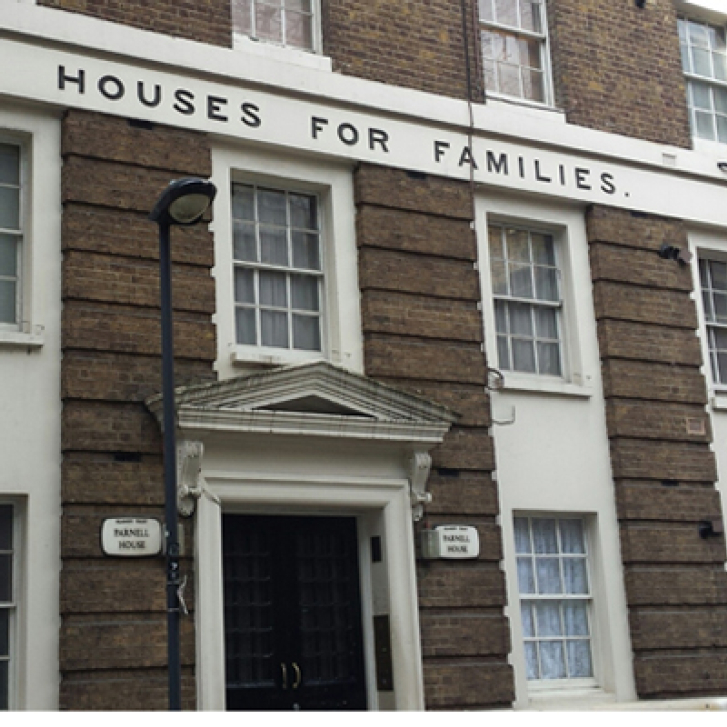
What we can learn today from an early approach to improving social conditions through investment.
Achieving marriage equality in the United States took time, tough questions, and coordinated efforts across politics, strategy, and messaging.
As nonprofits, NGOs, and funders increasingly seek innovative ways to address the total need around critical issues, new challenges, questions, and opportunities arise.
Effective advocates may need to shift focus from political persuasion to public relations power.
A growing number of US foundations are adopting practices based on systems change to achieve their goals in the current political environment.
The Mission Possible series is a call to action for philanthropy to fully embrace impact investing as an essential tool to drive meaningful social and environmental change.
This series, produced in partnership with BBB's Give.org, calls on the social sector to embody a new and pioneering collaborative spirit based in trust so that it can reach broader audiences, share the risk involved in experimentation, and accomplish more than any single organization could do alone.
Teal—an emerging organizational model centered on principles like self-management and wholeness—has great promise, but to leverage its potential, NGOs must understand its opportunities and challenges.