


Opening Public Contracting to Citizen Participation
By understanding the impact of public contracting on their daily lives, citizens become more aware of the need for transparency and accountability. A Viewpoint from the Winter 2020 issue.
Insights from the front lines (more)
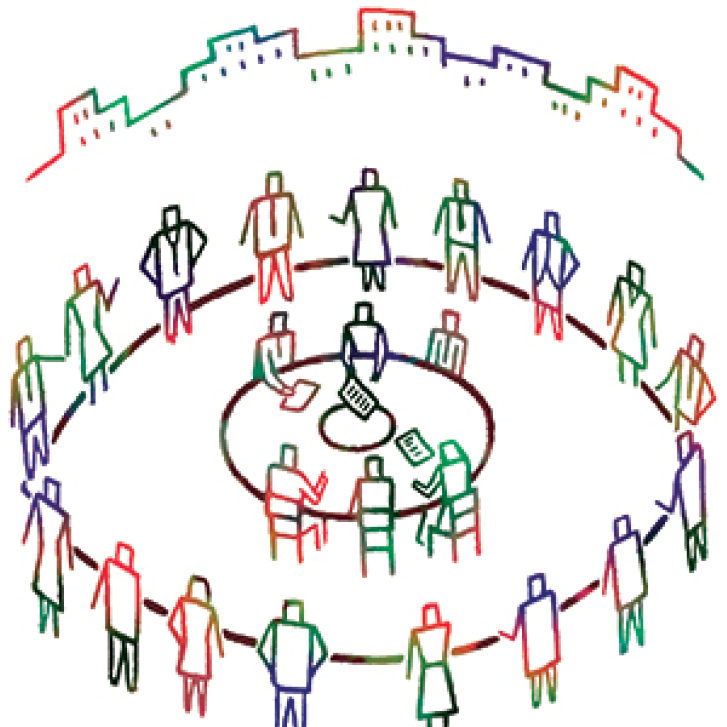
By understanding the impact of public contracting on their daily lives, citizens become more aware of the need for transparency and accountability. A Viewpoint from the Winter 2020 issue.
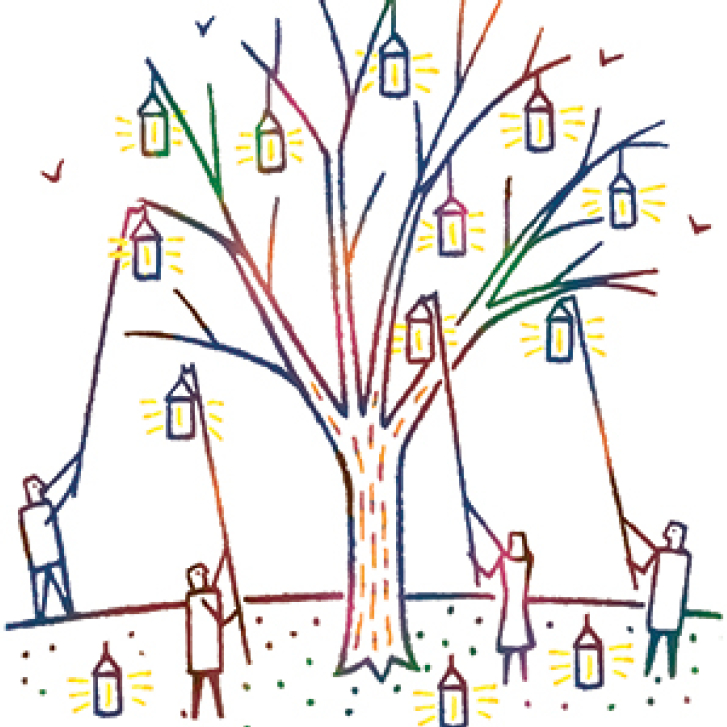
To grow the workforce that will advance the United Nations’ Sustainable Development Goals, foundations ought to bring back approaches they relied on decades ago. A Viewpoint from the Winter 2020 issue.

Current versions of local government artist-in-residence programs typically stop short of figuring out how to induce social change by focusing too much on the artists’ narrowly defined art projects. A Viewpoint from the Winter 2020 issue.

With a study-and-work approach, we can create more opportunities for more students beyond high school. A Viewpoint from the Fall 2019 issue.

Our work in Israel promoting socioeconomic equity for Arab municipalities shows how to improve public service provision and cross-sector collaboration. A Viewpoint from the Fall 2019 issue.

Companies, investors, and consumers need an expanded set of metrics that more broadly and accurately measure risk, return, and value. A Viewpoint from the Fall 2019 issue.

I have been both a government official and a policy researcher in India. I know from experience that researchers need to adjust to the needs of government field staffers to succeed. A Viewpoint from the Fall 2019 issue.

Inequity continues to plague the lending industry, but a microlending program in New Mexico has created a solution that is providing underserved communities the capital they need. A Viewpoint article from the Summer 2019 issue.

Efforts to increase funding for Pay for Success must embrace how risk affects the expectation of returns to attract capital from the appropriate investors.

Rather than a glossy brochure that no one reads, your strategy should be an ongoing practice that informs your decisions and adapts as circumstances change. A Viewpoint from the Summer 2019 issue.