


Philanthropy’s Missing Trillions, Revisited
The Baby Boomers' wealth transfer is one of the greatest opportunities in the history of the philanthropy and nonprofit sector. There is still work to do.

The Baby Boomers' wealth transfer is one of the greatest opportunities in the history of the philanthropy and nonprofit sector. There is still work to do.

More than an obligation, taxation contributes to the only systems ever shown to deliver essential services equitably and at scale.

Why now is the moment for nonprofits to build and customize their own mission-critical technology, and three steps to getting started.

Health-climate warning labels at gas pumps are gaining political momentum as research shows they can shift consumer attitudes away from fossil fuels.
Two humanitarian leaders working on the front lines of disaster and conflict recently cofounded The Aid Cloud, an innovative platform that connects private funding with local humanitarian organizations in a post-USAID world. N Hlaing and Jose Ravano speak with host Barbara Wheeler-Bride about the funding gaps in humanitarian and development work right now, why it’s often difficult for aid to arrive quickly in a crisis, and why it’s crucial to fund local organizations directly when communities are vulnerable. Giving With Impact is developed with the support of DAFgiving360®

The many discoveries from education research aren't making it to the classroom. It should follow the medical model of building infrastructure to translate research into impact.
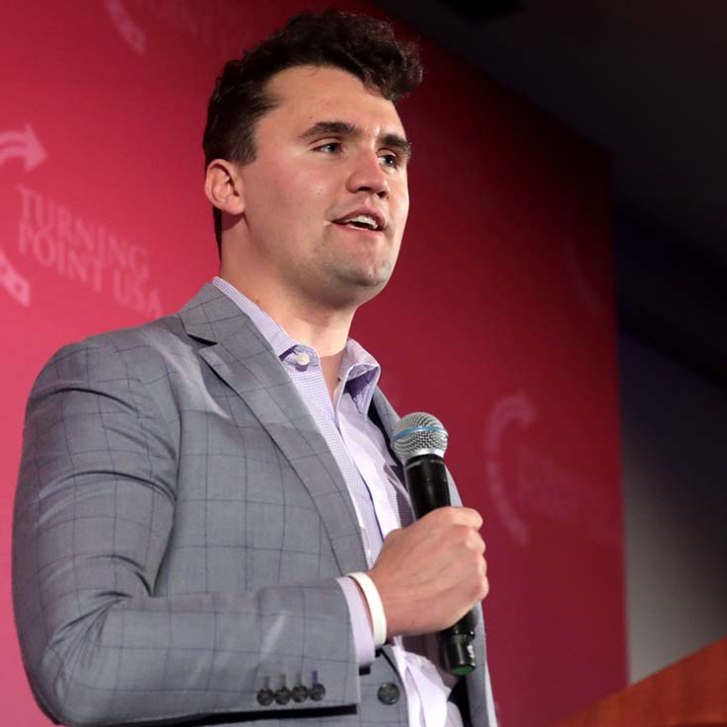
The Turning Point USA founder's obituaries invoked his desire to build a conservative MoveOn. What he built instead is revealing about the structure, strategies, and outcomes of political advocacy organizations.

For all the benefits of philanthropy's turn toward learning, the field still needs a stronger focus on how to make judgments.

Singapore has more legally permissive rules than Taiwan on organ donation consent, but Taiwan has greater donation rates because of the infrastructure of consent that its medical system has built.
Whether you’re already experimenting with AI for listening or just beginning to explore its potential, this program will leave you with practical ideas and questions to help you determine where AI can, and can’t, strengthen your organization’s feedback and listening practices.
This program is led by Alexis Banks, Director of Learning and Operations at Feedback Labs, and Annie Grier, Director of Community and Equity at Feedback Labs.
Access this webinar