


Hiding in Plain Sight
An excerpt from Mutualism on building economic power for the mutualist ecosystem.
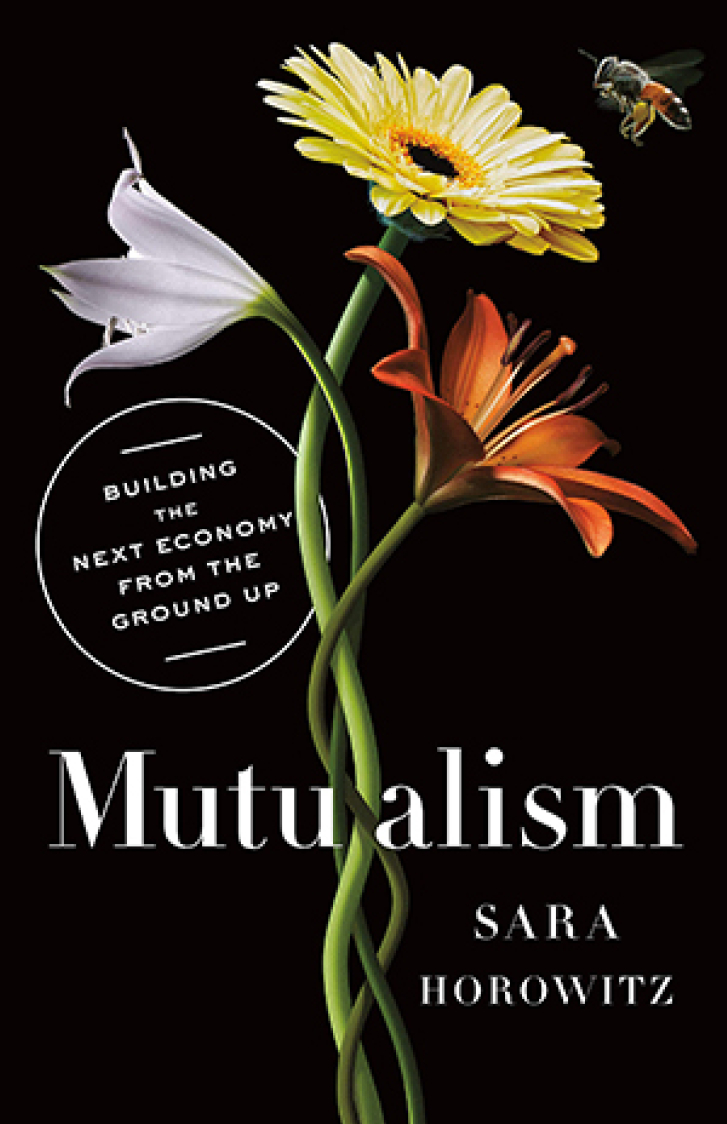
An excerpt from Mutualism on building economic power for the mutualist ecosystem.

To advance equitable social-emotional learning, schools would benefit from increased collaboration with out-of-school program providers.

To invest in and grow promising organizations and programs in a way that promotes efficacy prior to significant scaling and expansion, there are three pathways to follow: piloting, testing, and iterating.

Combining traditional impact investment approaches with investment in advocacy is the only way businesses and investors can fuel meaningful social and environmental progress.
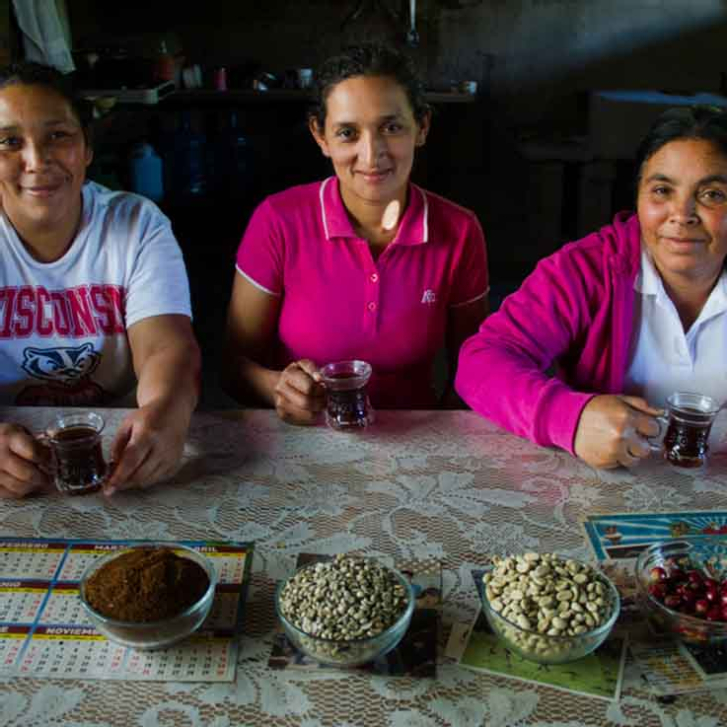
Vega Coffee lifts up struggling coffee growers in Latin America by enabling them to roast, package, and ship their own beans directly to US customers—and reinvents the supply chain in the process.

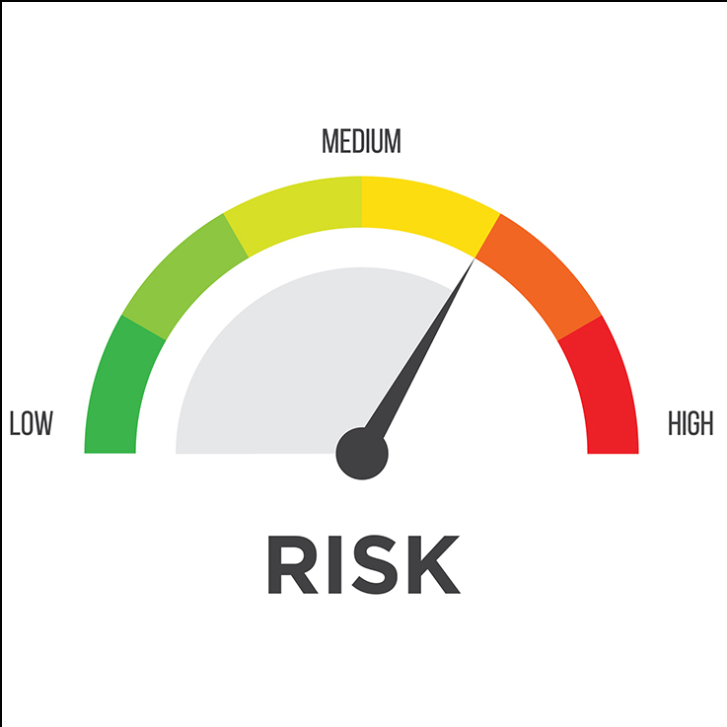
Why NGOs and funders need to take bigger leaps toward innovation in environmental conservation, and how a back-of-the-napkin risk assessment tool can help.

The co-founders of She’s the First share what they learned from dropping the “child sponsorship” model that donors love.

A new take on collaborative funding in Singapore could help outcomes-based funding go more mainstream.

Venture capital has lagged behind on adoption of ESG practices. Here are four ways they can become more mainstream.
How philanthropic organizations can better understand the degree to which they include beneficiaries in their decision-making processes, how contextual considerations shape participation, and where problems and opportunities lie.