How to Tell Stories About Complex Issues
Stories are the most powerful tool we have for increasing understanding and building engagement with complex issues. Telling them well can drive belief and behavior change.
Innovative ways to influence public policy (more)

Stories are the most powerful tool we have for increasing understanding and building engagement with complex issues. Telling them well can drive belief and behavior change.
In the shift from #MeToo to Time’s Up, movement leaders are strategically framing sexual violence as a social and cultural problem, rather than an individual problem. Doing so helps people think about the broad range of actions we can take to systemically prevent sexual violence.
How we frame social issues profoundly influences our understanding of them, and how we think and talk about solutions.

This multi-part series presented in partnership with The Communications Network, the FrameWorks Institute, and leading organizations explores how framing profoundly influences our understanding of social challenges, and how we think and talk about potential solutions.

The youth movement against gun violence in America opens doors to a more constructive narrative that advances both gun violence prevention and the promotion of mental health.

To create systems of societal change, we need to become clearer about the archetypes of societal change strategies, their strengths and weaknesses, and their interactions.
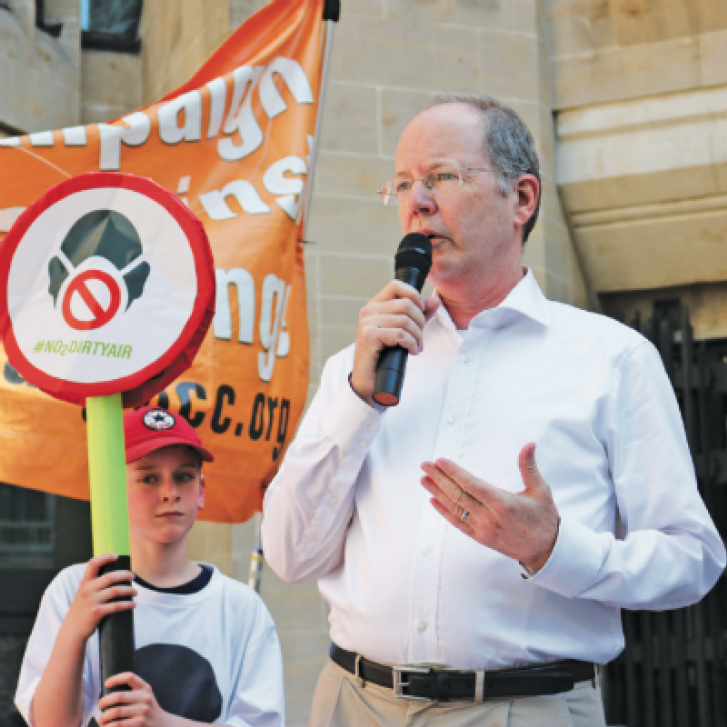
ClientEarth has taken a US-style legal strategy of protecting the environment across the Atlantic and found surprising success.

It is time to give US women the convenience and autonomy of birth control and abortion pills that women elsewhere enjoy.

From the Women’s March to #MeToo, women have risen up to change politics and society.

Anti-Defamation League (ADL) CEO Jonathan Greenblatt’s tenure at the organization has coincided with the 2016 US election, a rise in hate crimes and hate groups, and an increase in cyber-hate.