The New Science of Designing for Humans
The rise of behavioral science and impact evaluation has created a new way for engineering programs and human interactions.
Innovations in solution-based design techniques that address social problems (more)
The rise of behavioral science and impact evaluation has created a new way for engineering programs and human interactions.

A growing number of organizations are experimenting with ways to embed learning in everyday encounters as a way to connect with hard-to-reach youth and adults.
Universities play a critical role in producing social impact leaders committed to the public good and prepared to confront the challenges of an uncertain world.

Iterative design methods are essential to development work—even (or especially) in regions marked by war and violence.

A closer look at what characterizes an innovation lab can help practitioners, funders, and scholars better understand what labs’ potential and limits might be, as well as better assess the social impact that comes out of the them.
The 100Kin10 effort to increase the number of STEM teachers in America’s classrooms offers insights into an emerging model for social change.
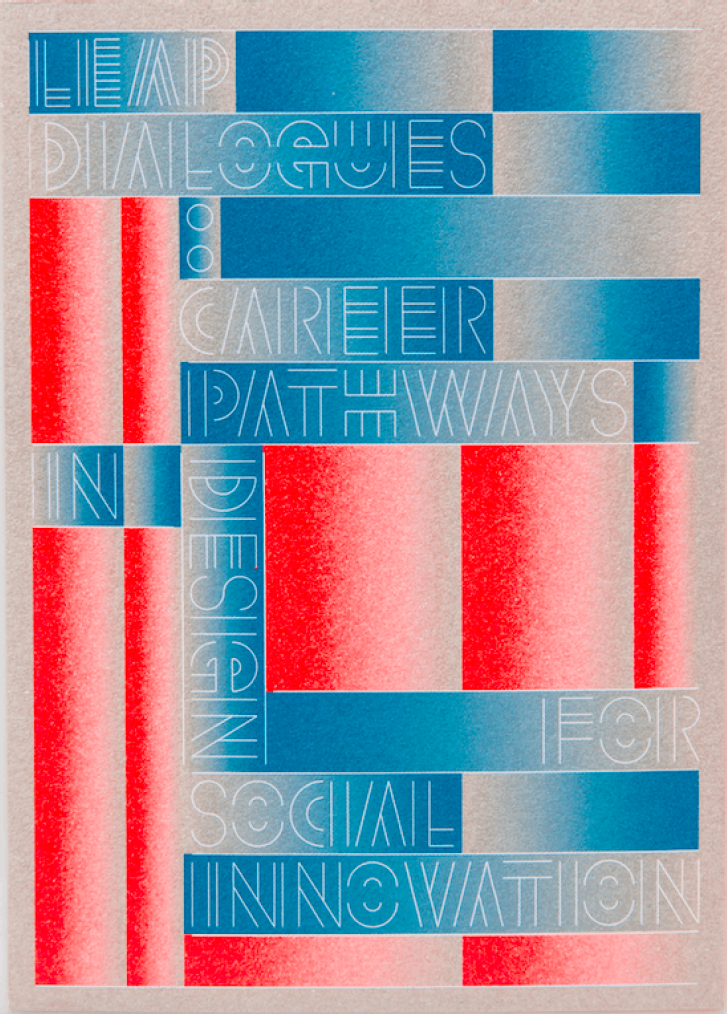
How can the public sector create a culture that's friendly to human-centered design?
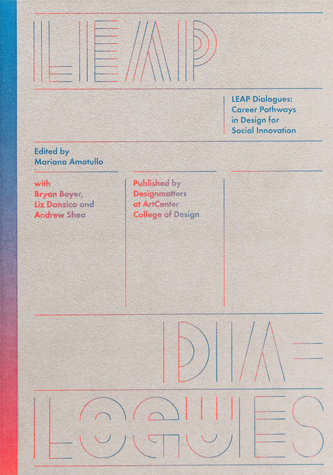
A dialogue about how nonprofits can do a better job integrating design thinking into their work.
It’s time to boldly reimagine the high-school experience using the power of human-centered design, the latest adolescent neuroscience, and purpose learning.