



Deception in Microfinance: Is Talk of Mission Just Window Dressing?
Only organizations that place the mission of helping borrowers improve their economic circumstances above profits should be considered microfinance practitioners.
Social innovations that improve the living standards of the poor (more)
Only organizations that place the mission of helping borrowers improve their economic circumstances above profits should be considered microfinance practitioners.
How are nonprofit management leaders, foundations, and individuals dealing with the new economic realities? In this audio lecture, Peter Hero, with his wealth of experience in nonprofit management and foundations, shares his reflections on the downturn, how the nonprofit sector has been impacted, and the response from donors and foundations. These lessons in nonprofit management guide leaders to think more deeply when times are tough, with the optimism that we will all come out stronger.

By choosing smart economic models and stabilizing political institutions, political leaders pave the way for fast and sustained development.

Partnership brings greater social impact. This post features a video.
Effective social change stems from listening to African youth, confronting the realities of poverty from their perspectives and on their terms.
Savings and loan associations run entirely by youth represent an innovation in helping them learn to save, manage money and develop new skills.
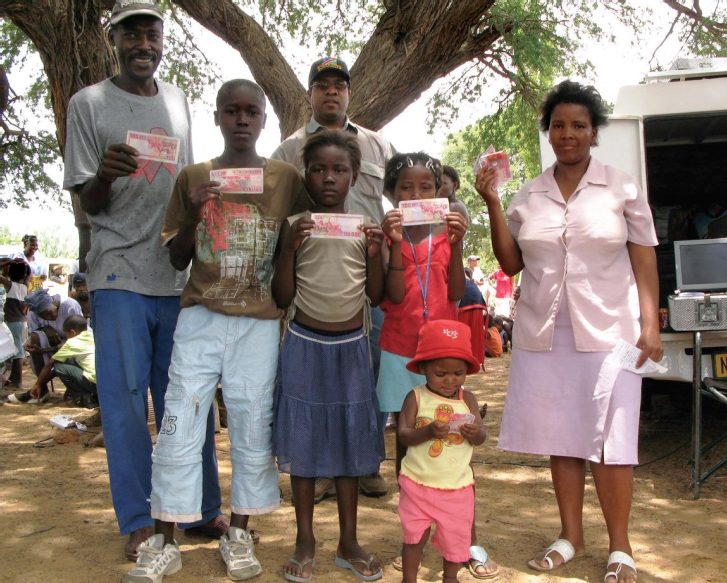
The world’s first universal cash transfer program is in Namibia and provides cash with no strings attached.
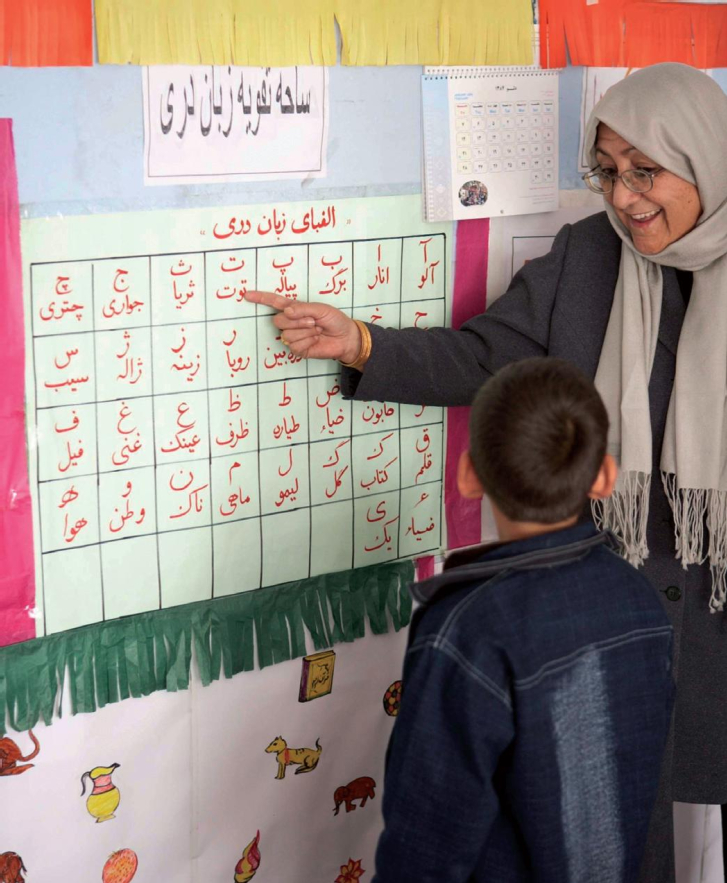
Against all odds, the Afghan Institute of Learning educates women and girls in a war-torn society.
When Priya Haji put her mind to helping reduce global poverty, social entrepreneurship took a quantum leap. In this university podcast, sponsored by the Stanford Center for Social Innovation, the plucky founder of World of Good shares how she created a social enterprise that now empowers women in communities around the world by helping them sell their artisan goods in stores and online. She talks about strategies for using educated consumer choice and inspiring business competition to do good.

Over the past 17 years, the Forum for African Women Educationalists has delivered high-quality education to millions of girls across 35 African countries.