


Youth Unemployment in the Developing World Is a Jobs Problem
Instead of treating education like a silver bullet, a demand-side job creation strategy should be at the heart of youth unemployment programs.
Social innovations that improve the living standards of the poor (more)

Instead of treating education like a silver bullet, a demand-side job creation strategy should be at the heart of youth unemployment programs.

Impact investors can support a more just economy by prioritizing alternative ownership enterprises that shift power away from shareholders to workers, the community, and the planet.

Moving away from endless problem-solving and toward creating healthy context.

What two regions have learned about implementing an historic federal grant.
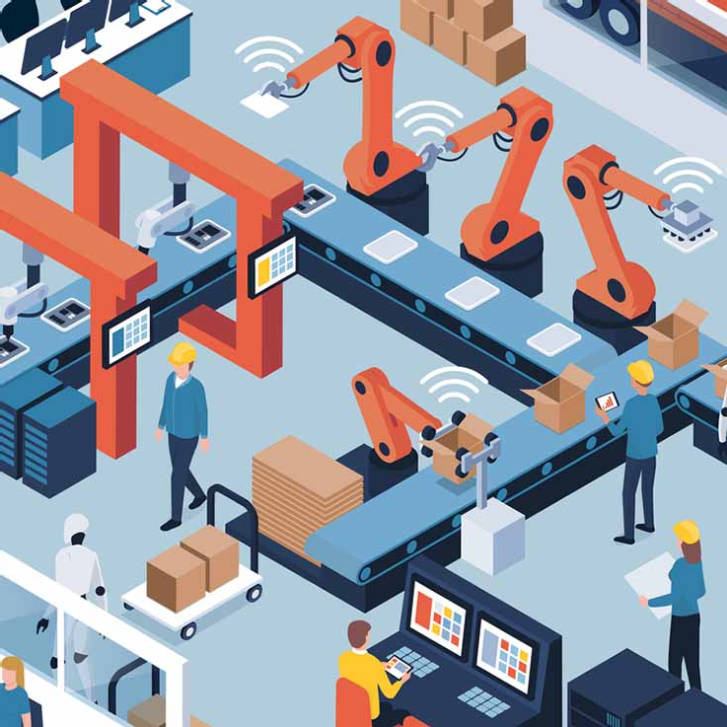
Development philanthropists should focus on building the productive capacity of entire countries to achieve large-scale economic transformation, rather than enabling a few individuals to increase their consumption.

Three principles for rethinking and changing scholarly behavior.

How an innovative stakeholder-shareholder investment model is helping smallholder farmers grow and thrive.
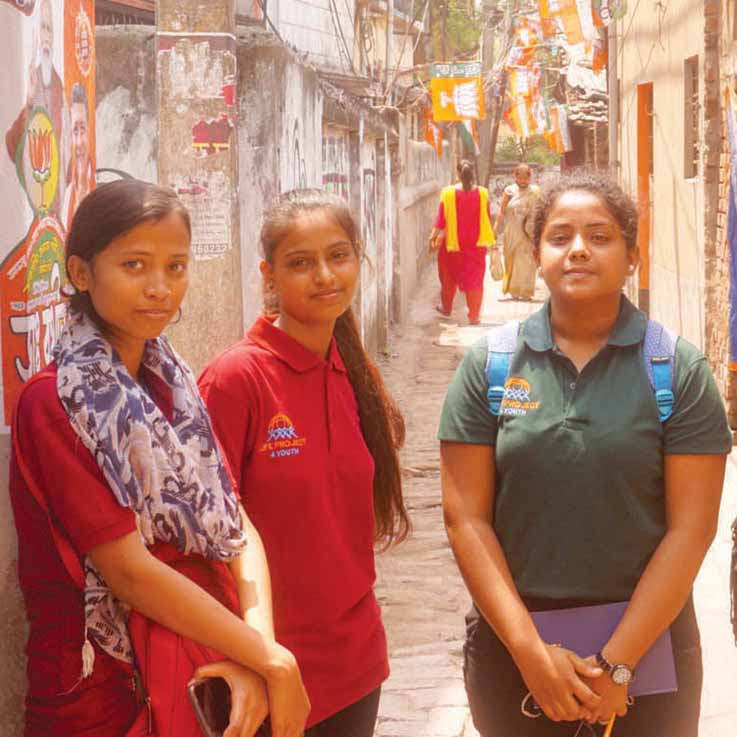
Life Project 4 Youth Alliance promotes the personal development and professional advancement of impoverished youth.

To create a more resilient and equitable world, the fragile potentiality of our planet’s biological and cultural diversity must be converted, conserved, and constructed.

Despite adversities, Indigenous Peoples of the Americas continue to thrive and develop solutions to social problems that help their communities—and the wider world.