Debt-for-Climate Swaps Can Save the Planet. Why Aren’t They?
Though potentially a win-win solution for the developing world’s debtors and creditors alike, debt-for-climate swaps must be well-designed and implemented if they are to be effective.
Innovations in environmental protection and conserving natural resources (more)
Though potentially a win-win solution for the developing world’s debtors and creditors alike, debt-for-climate swaps must be well-designed and implemented if they are to be effective.
To create a more resilient and equitable world, the fragile potentiality of our planet’s biological and cultural diversity must be converted, conserved, and constructed.
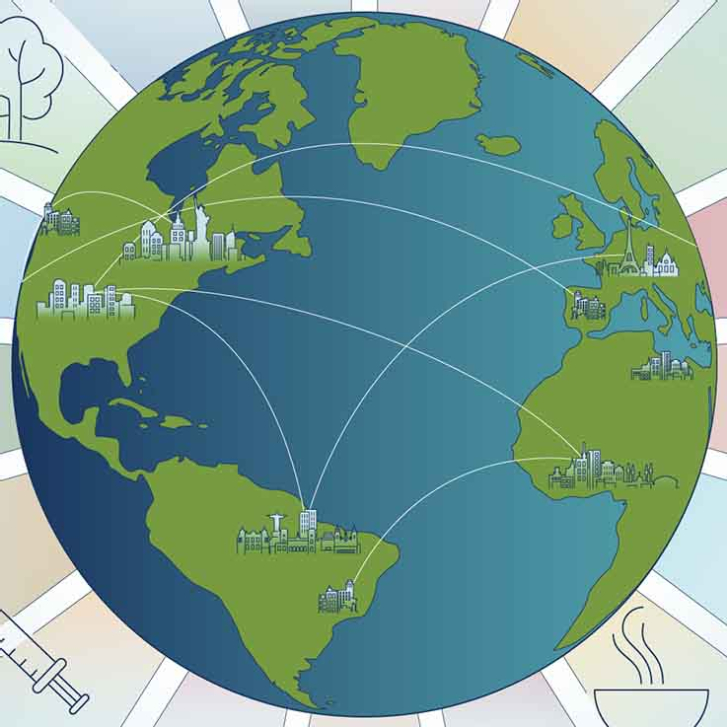
Learning from global peers and using the sustainable development goals as a framework for measuring progress, US cities are accelerating solutions to social problems.
The climate movement has lessons for all social impact practitioners working to create a more just and healthy world.
Ken Pucker responds to his readers’ critiques of his Up for Debate article “A Circle That Isn’t Easily Squared” and reiterates his call for a systemic shift in how the fashion industry does business.
The fashion industry could decrease its environmental impact by shifting its sources of revenue from material and energy to labor.
Currently, every predominant aspect of sustainability discourse and practice is white-centered. It’s time to change that.
Funders must examine how to realistically drive measurable progress on sustainability in the fashion industry.
People working within fashion supply chains must collaborate to determine where and how their evolving business models can contribute to circularity.