

sponsored
Local Collaboration Can Drive Global Progress on the SDGs
Learning from global peers and using the sustainable development goals as a framework for measuring progress, US cities are accelerating solutions to social problems.
Innovations in environmental protection and conserving natural resources (more)
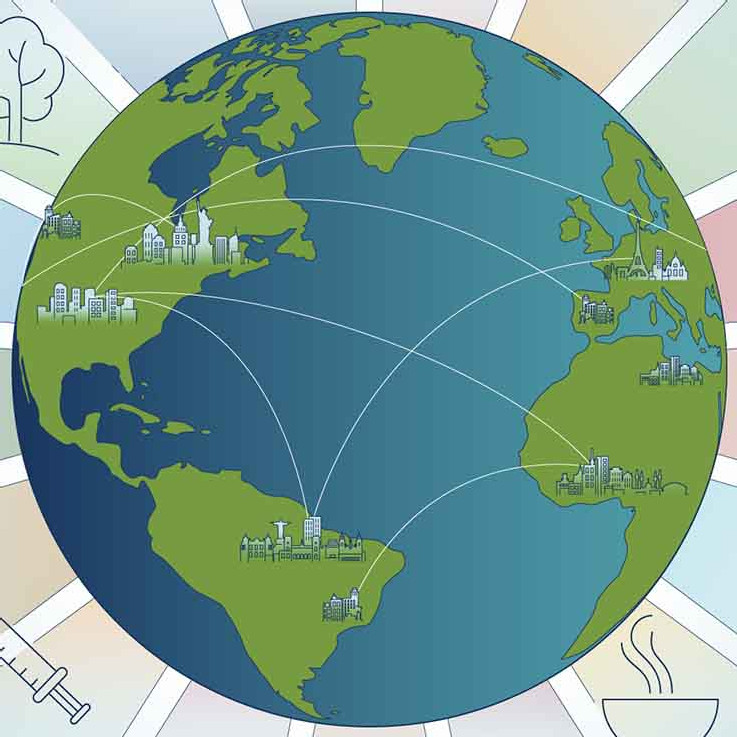
Learning from global peers and using the sustainable development goals as a framework for measuring progress, US cities are accelerating solutions to social problems.
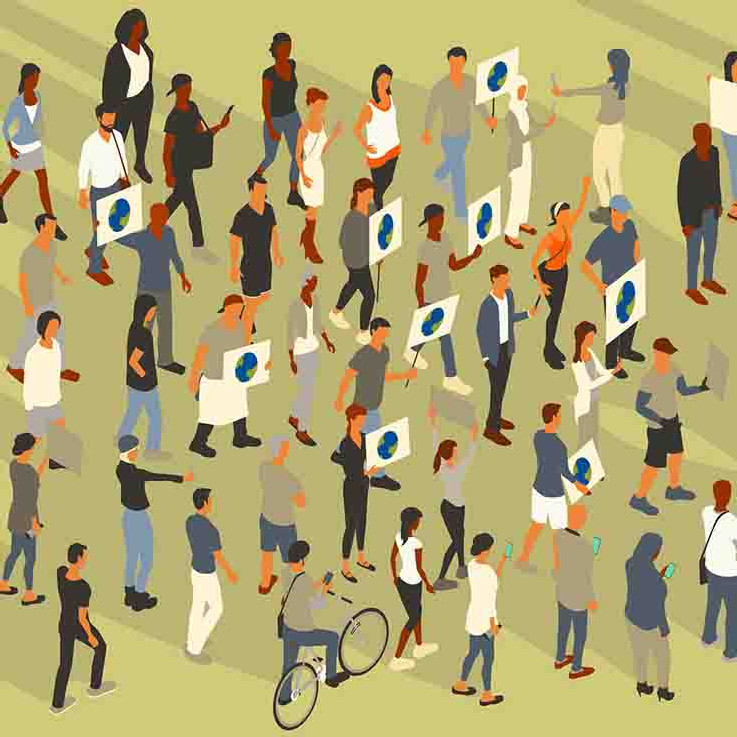
The climate movement has lessons for all social impact practitioners working to create a more just and healthy world.

Ken Pucker responds to his readers’ critiques of his Up for Debate article “A Circle That Isn’t Easily Squared” and reiterates his call for a systemic shift in how the fashion industry does business.

The fashion industry could decrease its environmental impact by shifting its sources of revenue from material and energy to labor.

Currently, every predominant aspect of sustainability discourse and practice is white-centered. It’s time to change that.

Funders must examine how to realistically drive measurable progress on sustainability in the fashion industry.

People working within fashion supply chains must collaborate to determine where and how their evolving business models can contribute to circularity.

Rather than canning the circular-economy concept altogether, business leaders and policy makers should prioritize sufficiency over recycling.

Opportunities for innovative solutions exist across all areas of the value chain, including design, supply chain technologies, and molecular recycling.

Collaboration is an essential driver for discovering and scaling innovative approaches that can move the fashion industry toward circularity.