Catching the Wave
How a powerful communications strategy helped the Surfrider Foundation and a coalition of other organizations mobilize a local grassroots effort and save a rare natural resource.
Innovations in environmental protection and conserving natural resources (more)

How a powerful communications strategy helped the Surfrider Foundation and a coalition of other organizations mobilize a local grassroots effort and save a rare natural resource.

Existing forests and diverse ecosystems are arguably the world’s most valuable resources. How can we make preserving them worth our while?

An incremental approach to fostering sustainable eating habits is the hallmark of Green Monday, an organization based in Hong Kong.
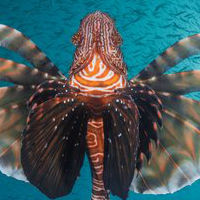
Marine reserves that cut across national borders in Africa are protecting underwater life.

How World Wildlife Fund helped organize a global clarion call to stop wildlife crime.
Why global leaders need to look beyond the status quo and recognize grassroots innovators as rightful peers.
How the Natural Resources Defense Council effectively unearthed and reframed compelling research to raise public awareness and effect policy change around food waste.

We need more and deeper commitments from funders to foster the next generation of environmental changemakers.
To achieve large-scale, long-term success, wildlife conservationists need to think like the private sector and invest in business innovation.
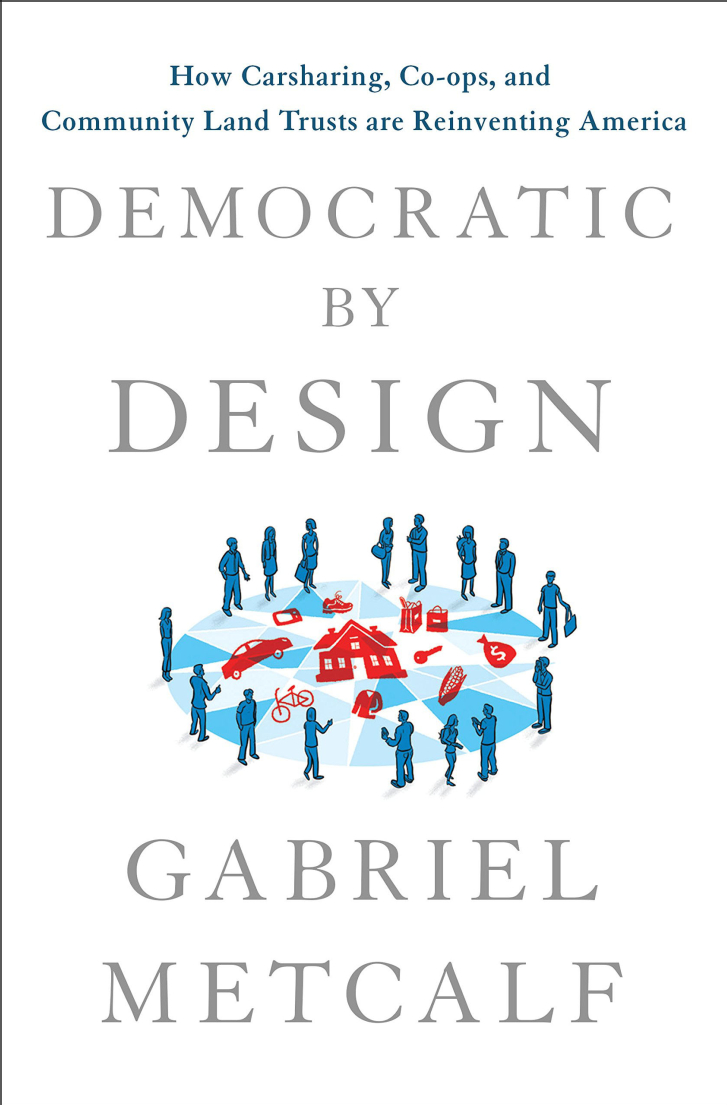
In Democratic by Design, Gabriel Metcalf looks at how small-scale, self-organized projects that work outside the traditional structures of government and business can scale up to effect widespread social change.