
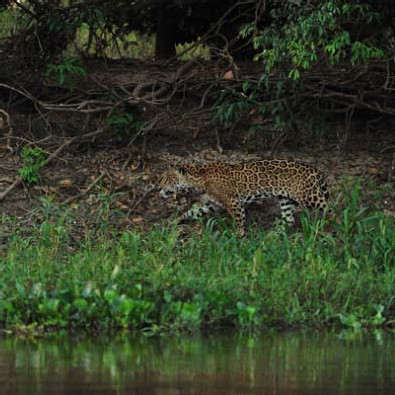
Going into Business for Wildlife Conservation
To achieve large-scale, long-term success, wildlife conservationists need to think like the private sector and invest in business innovation.
Innovations in environmental protection and conserving natural resources (more)
To achieve large-scale, long-term success, wildlife conservationists need to think like the private sector and invest in business innovation.
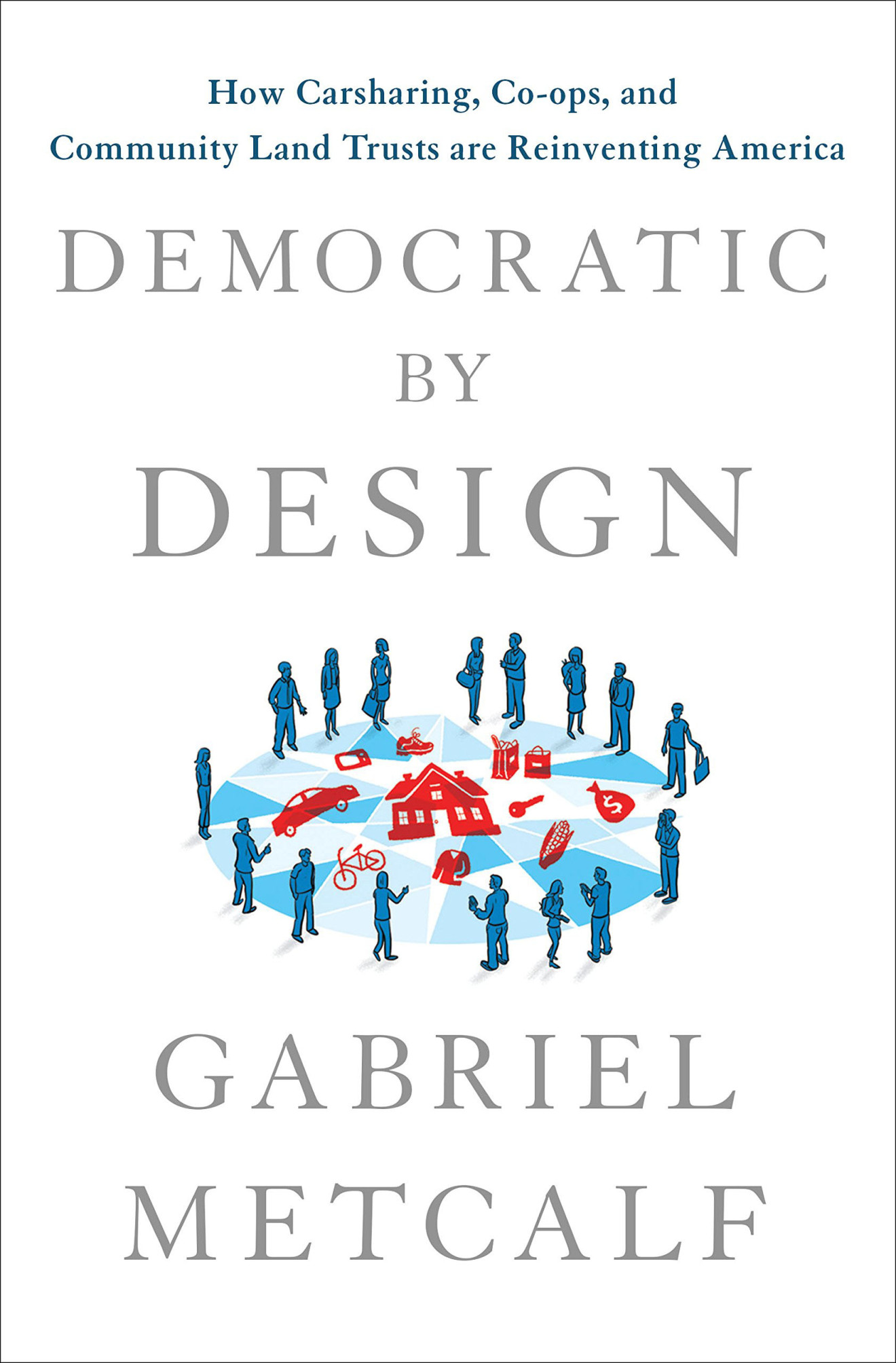
In Democratic by Design, Gabriel Metcalf looks at how small-scale, self-organized projects that work outside the traditional structures of government and business can scale up to effect widespread social change.

Access to the outdoors should be a human right. If connection with nature is important for the human soul and mind, we need to ask what structural problems prevent the underprivileged from enjoying such experiences.
A broader view of the impact of climate change can offer mainstream and impact investors a competitive edge.

Touting products like LEDs and recycled plastic packaging as “green” is misleading, because it fails to account for their effects on markets and consumer behavior and for the resulting environmental consequences. The authors offer what they say is a better approach: measuring the overall "net green" impact of the product.
Let’s be ambitious about using innovative financing to help sort out global supply chains, provide catalytic capital for energy transition, and link talent in emerging markets to online marketplaces.
Philanthropy needs to support climate justice, undercut the power of the fossil fuel industry, beware false solutions, and support clean energy.
Sustainability’s vagueness and scarcity orientation may be preventing the future it seeks to create. The time has come to adopt a new mindset.
The new emphasis on land rights in the global development agenda is a positive step, but could be meaningless without significant shifts in support.

Confronting the risks and rewards of the world’s largest low-carbon energy source.