


A Good Business for Poor People
Microfranchising poses fewer risks and offers greater benefits than does creating a new business from scratch.
New and in-depth explorations of solutions to social, environmental, or organizational problems (more)
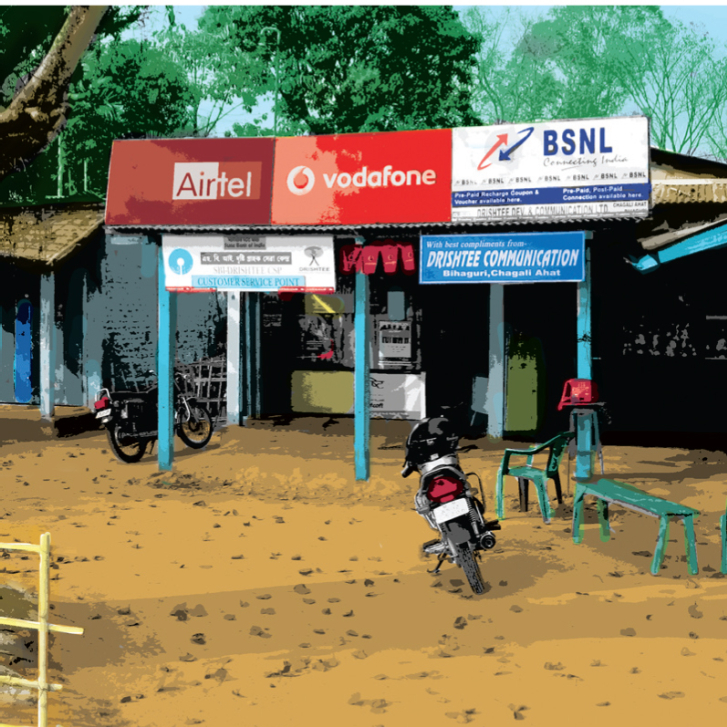
Microfranchising poses fewer risks and offers greater benefits than does creating a new business from scratch.

By choosing smart economic models and stabilizing political institutions, political leaders pave the way for fast and sustained development.
Grantmaking initiatives often fail when the foundation remains isolated from its grantees and the communities they both serve.
Funders are increasingly pressuring nonprofits to merge, however, mergers are not always the right path for nonprofits in financial distress.
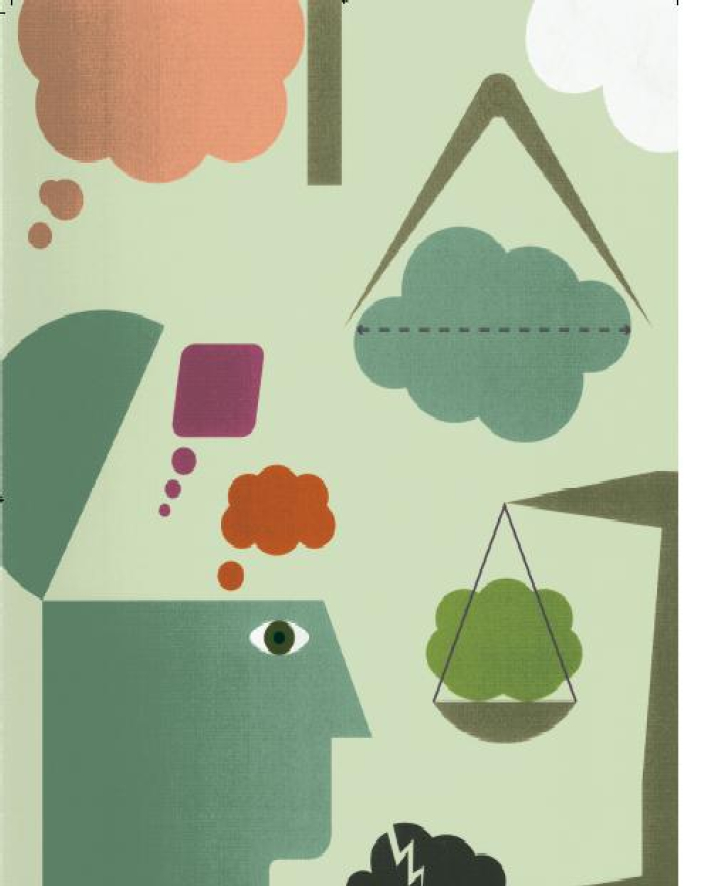
Improving the lives of disadvantaged populations requires proven theories of change.

When disaster strikes, governments often rely on nonprofits and businesses to help with relief efforts. But making up for the public sector's shortcomings is neither an appropriate nor effective use of the private sector's strengths.

To prepare for future financial downturns, nonprofits should treat endowments as rainy day funds, not cut programs to preserve the endowment.

By working closely with the clients and consumers, design thinking allows high-impact solutions to social problems to bubble up from below rather than being imposed from the top.

To enrich the bottom of the pyramid, bankers to the poor should make saving money easier by using the latest findings from economics and psychology.

The fine arts in America are on a perilous path. Attendance at opera, theater, jazz, symphony, and ballet performances has dropped precipitously in recent decades. Just as worrisome, the median age of people attending these events has increased dramatically. If the fine arts are to survive as a living, creative, and significant force in American life, arts institutions need to radically recreate themselves.