


Closing the Rental Wealth Gap
For nearly a century, US policy prioritized homeownership to build middle-class wealth—leaving many renters behind. But innovative new renter-wealth models are enabling renters to access the American dream.
New and in-depth explorations of solutions to social, environmental, or organizational problems (more)

For nearly a century, US policy prioritized homeownership to build middle-class wealth—leaving many renters behind. But innovative new renter-wealth models are enabling renters to access the American dream.
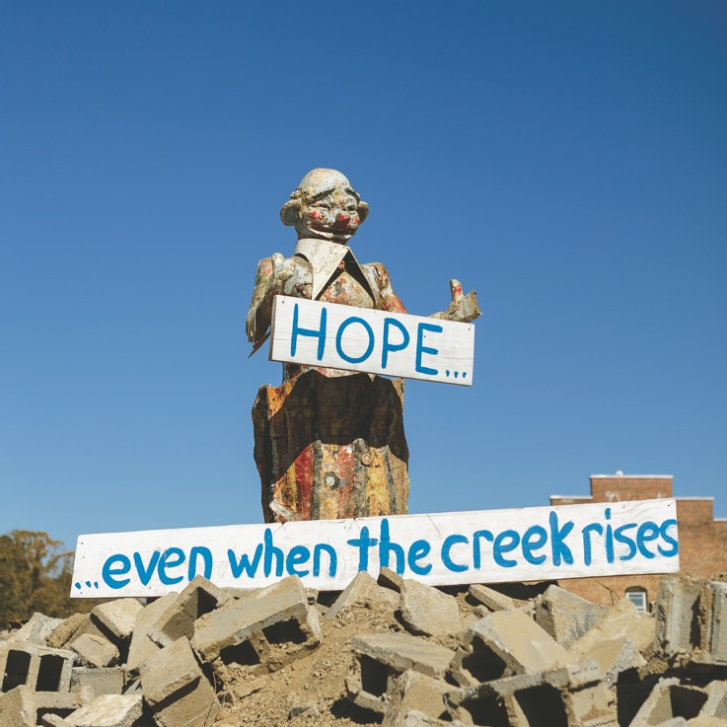
Appalachia's trust-based recovery from climate disaster offers a vision of the future and a road map to follow, for anywhere in the world where underdeveloped infrastructure is exposed to climate volatility.

To solve problems that don't want to be solved, design for the unspoken social conventions that hold them in place.

As humanitarian aid agencies buckle under the collapse of financial support, the private sector must step in to invest in refugees and integrate them into the economy. We review three models of success and offer investment strategies. | This article is free to all readers thanks to sponsorship by the Frank Batten School of Leadership and Public Policy at the University of Virginia.

As AI begins to transform education, work, and social life, we need to focus on developing and expanding capacities essential for human flourishing.

For four years, small donations have declined across the nonprofit sector, threatening the future of social innovation. But with the right strategies, some organizations are bucking the trend and winning them back.

A year of turbulence has exposed the dangers of philanthropic monocultures and upended assumptions about impact, effectiveness, and scale. Embracing the varied intentions that motivate people to give offers a more resilient, pluralistic path forward.

Young people do turn out for elections—when they are registered. By getting all youth enrolled in high school, we can help achieve universal participation. Here's how to get it done. | Open access to this article for non-subscribers is sponsored by an SSIR supporter.

For many social initiatives, achieving transformative impact requires government leadership. Teaching at the Right Level (TaRL) Africa has gained important insights about effectively supporting government partners, adapting operations across contexts and borders, and working within existing systems.

Ukrainian civil society did not have the luxury of awaiting the end of war to make the country more resilient and sustainable. The Alliance of Ukrainian Universities took the lead in coordinating an effective response. | Open access to this article made possible by the Akira Yamaguchi Endowment for Environmental Health and Human Habitation at the Harvard T.H. Chan School of Public Health