


The Randomista Revolt
An excerpt from Beyond Belief on building the evidence revolution in Washington
New ways to measure and evaluate the impact an organization’s work has on society (more)
An excerpt from Beyond Belief on building the evidence revolution in Washington

How an excessive focus on methods has distracted attention from the more fundamental challenge of building rigor and learning overall.

How we developed a new benchmark to shift philanthropic norms

How organizations can close the gap between measurement and implementation

At its core, conservation is about behavior change. Yet few organizations have put in place the structure, standards, and accountability needed to apply behavioral science effectively.
An excerpt from Evaluative Inquiry for Systemic Change on embedding value into evaluation
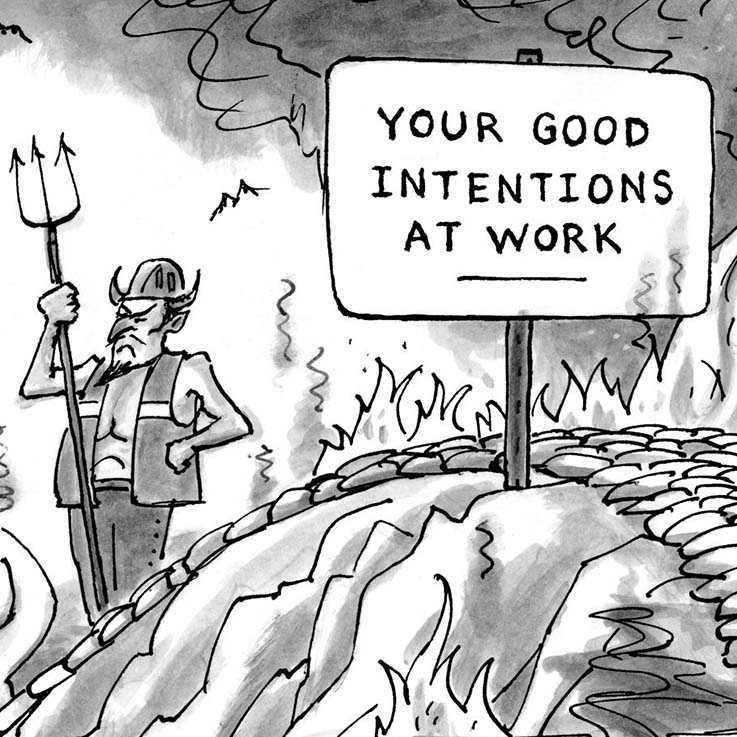
There is philanthropic investing, and there is commercial investing, and there is nothing in between.

A final sweep of 60 years of evidence reveals durable truths about how development succeeds and fails.

We have experimented with a new approach to systems change evaluation. We have four recommendations for those who wish to take the same path.