Almost Everything You Know About Impact Investing Is Wrong
Growing confusion about impact investing's key principles and practices has it headed for a fall.
New ways to measure and evaluate the impact an organization’s work has on society (more)
Growing confusion about impact investing's key principles and practices has it headed for a fall.
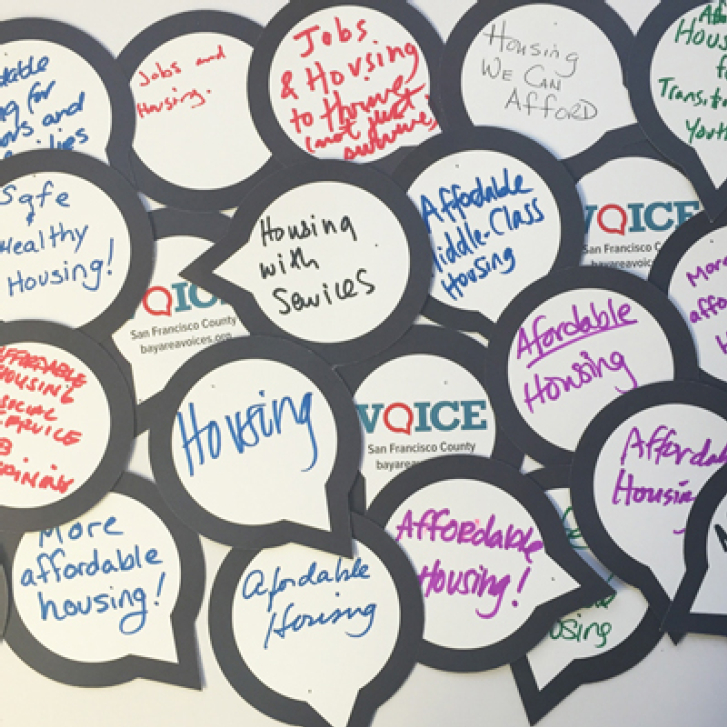
Based on feedback from community listening sessions and consultations with local experts, The San Francisco Foundation reshaped its grantmaking strategy and role in addressing the inequities facing Bay Area residents. Part of a series produced for SSIR with the support of the Hewlett Foundation.

Before diving into measurement, organizations must establish awareness of and readiness for impact in every aspect of their operations.
How shifting attention from gathering data about clients to gathering data from them helped a criminal justice organization improve services for participants and increase equity in the process. Part of a series produced for SSIR with the support of the Hewlett Foundation.
When Betty McCay finished a 27-year prison sentence and approached the Center for Employment Opportunities for help with finding a job, the last thing she expected was to be asked for her feedback on running the program. Part of a series produced for SSIR with the support of the Hewlett Foundation.

Shannon Revels met a teacher in prison who listened to his ideas, demonstrating a willingness to engage that Revels paid forward at his employment agency and on the job. Part of a series produced for SSIR with the support of the Hewlett Foundation.

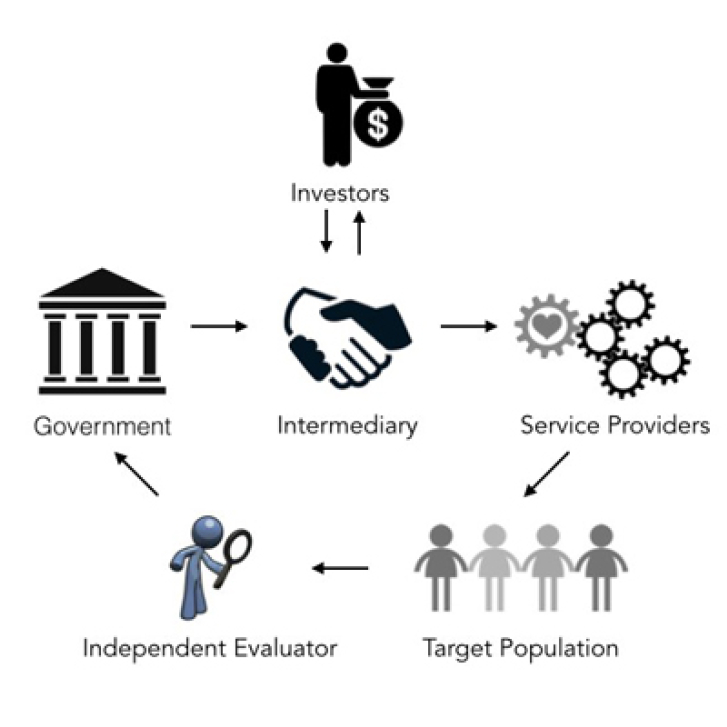
Billions of dollars are poised to flow into development impact bonds (DIBs) as a mechanism for solving social challenges around the world. Now is the time to make sure these complex structures are grounded in sensible approaches to measuring impact.
New research explores when top-down control works best in international development work, and when organizations should let employees in the field navigate challenges by using their own judgment.
Going beyond traditional monitoring and evaluation to focus on feedback can lead to new innovations in the social sector.
Gathering feedback from clients can be the swiftest path to insight and service improvement for nonprofits. Listen for Good offers a low-cost, high-quality method. Part of a series produced for SSIR with the support of the Hewlett Foundation.