

Rethinking RCTs
Randomized controlled trials have limited value for program implementers without better theories of change and broader sources of data. Behavioral science can help.
New ways to measure and evaluate the impact an organization’s work has on society (more)

Randomized controlled trials have limited value for program implementers without better theories of change and broader sources of data. Behavioral science can help.

Five years after passage of the Evidence Act, has it worked? And what's next?
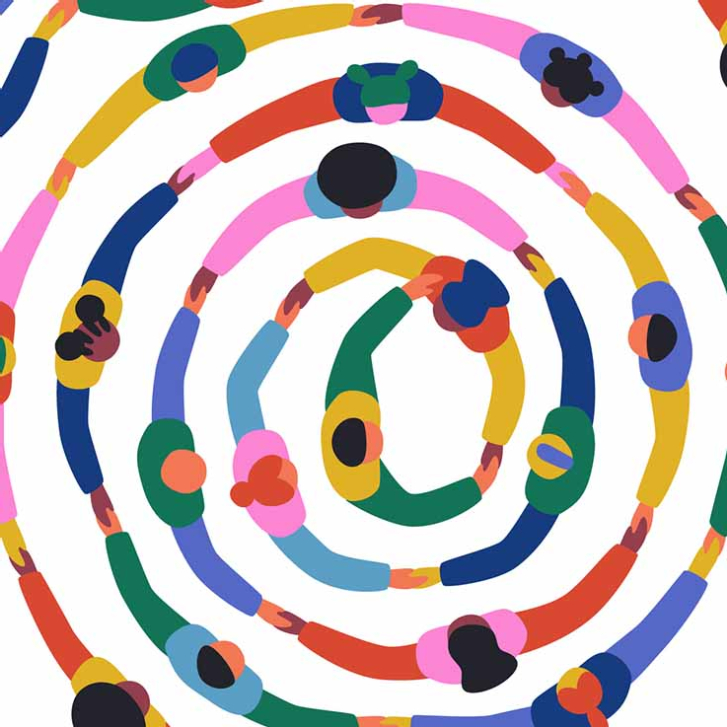
Going beyond social change Mad Libs means going deep with systems, movements, and real human emotions.

Three principles for rethinking and changing scholarly behavior.

There is a ripe opportunity to innovate, fueled by market forces currently at play.
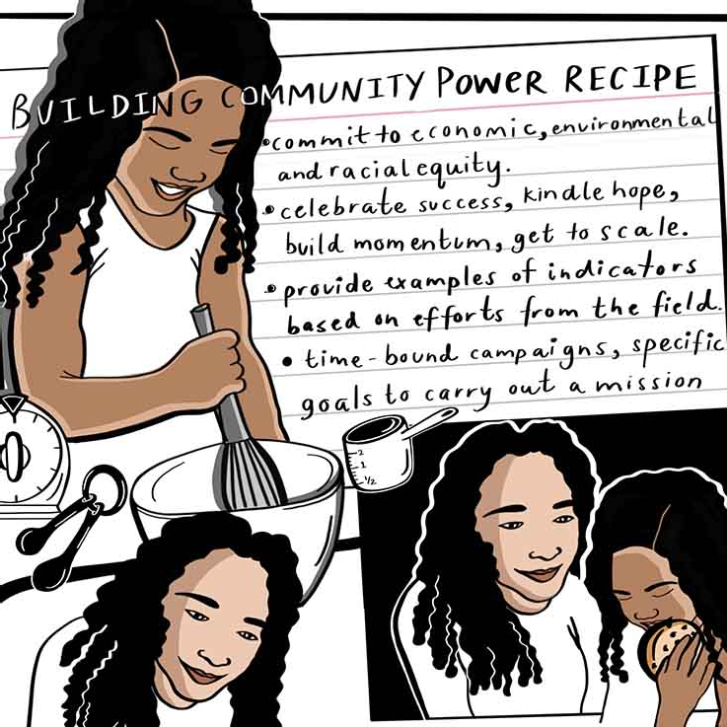
How to disentangle the different scales through which organizations build their capacity

Charities can find better ways to communicate their spending priorities than a myopic focus on administrative costs displayed in simplistic pie charts.

To build shared decision-making, foundations must put aside narrow definitions of rigor and embrace new understandings of accountability.

Funders may be reluctant to support narrative work because progress is difficult to evaluate. Are these objections valid?

We created the Foundation Practice Rating to encourage UK foundations to improve their practices.