


The Invisible Balance Sheet
Nonprofits can better evaluate and deploy their capacity to achieve their missions by accounting for the assets and liabilities that don’t necessarily appear on their financial statements.
New ways to measure and evaluate the impact an organization’s work has on society (more)

Nonprofits can better evaluate and deploy their capacity to achieve their missions by accounting for the assets and liabilities that don’t necessarily appear on their financial statements.
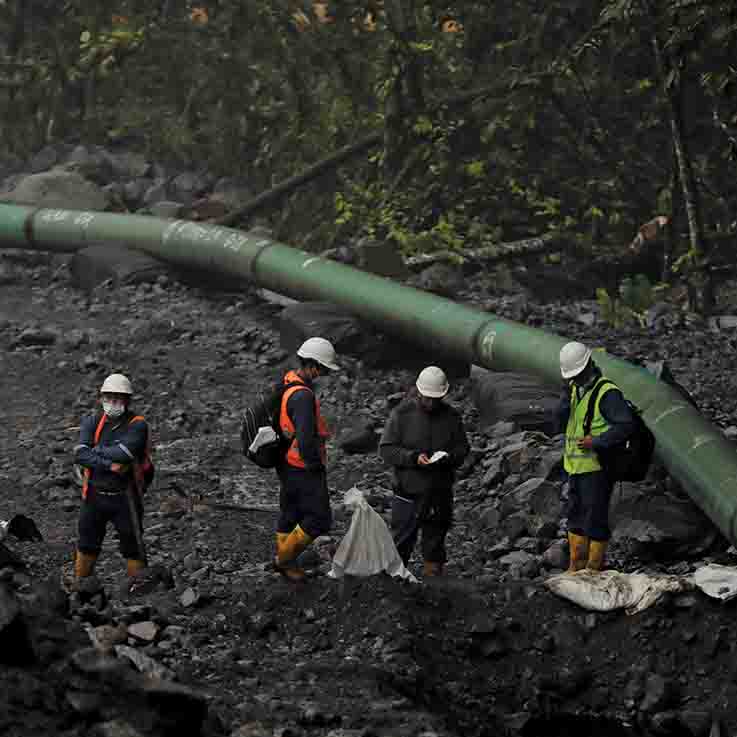
Carbon offset programs enable affluent states and corporations to greenwash and pose serious threats to Indigenous peoples’ rights. Consider the case of the LEAF Coalition’s partnership with Ecuador.

Tweets about local air quality from US embassies around the world reduced local pollution and improved health.


Impact investors and grant makers can learn from each other.

Highlights from the magazine and website cover ESG, leadership, systems change, and more.

A new report calls into question the future of ESG integration.

Our investigation into the sustainability reporting of some of the world’s largest companies revealed misleading statements, obfuscation, and diversion. Senior management and auditing and assurance practices must do better.

Tulsa is piloting a new model to measure its growth, hoping other cities will follow suit.