


Learning From an Intergenerational Blowup Over Social Justice
Like so many organizations, our environmental nonprofit was rocked by internal conflict. What happened and what did we learn?
Innovative ideas to help leaders of nonprofits and nongovernmental organizations work more effectively (more)

Like so many organizations, our environmental nonprofit was rocked by internal conflict. What happened and what did we learn?
Global health professionals need to build a culture of trust in which we can learn as much from what doesn’t work as from what does.

Design thinking, narrative change, AI, impact investing, the future of philanthropy, and more.

Innovation stories on leadership, philanthropy, education, gender equity, and grassroots movements that will leave you feeling hopeful.

The Supreme Court’s affirmative action decision highlighted a disconnect between the nonprofit sector’s intentions and its actions.

How developing strong relationships between nonprofit leaders can fuel anti-racist momentum.
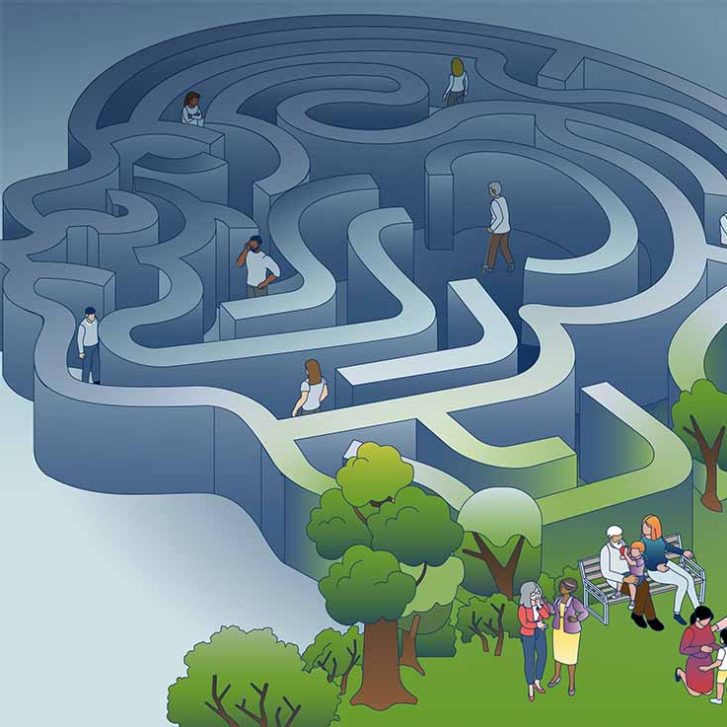
The key to healing in an epidemic of loneliness is found in local communities that address social isolation as a public health concern.
Diversity, equity, and inclusion are much more than a passing fad. They are a framework for engaging an organization’s full strength.

Design thinking has failed to deliver on its promise to solve the world’s thorniest social challenges. Adopting a critical design stance can help designers serve communities, rather than their own methodology.