


Critical Skill for Nonprofits in the Digital Age: Technical Intuition
Not everyone needs to become a tech expert, but all activists and nonprofit leaders must develop skills to inquire about, decide on, and demand technological change.
Innovative approaches to internally driven, organization-wide efforts to achieve strategic goals (more)

Not everyone needs to become a tech expert, but all activists and nonprofit leaders must develop skills to inquire about, decide on, and demand technological change.
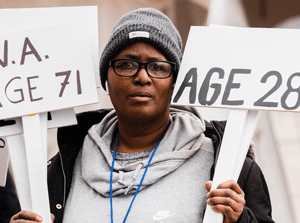

Transgender and gender-nonconforming people often run into unnecessary barriers that make their jobs harder than they need to be. Here are 10 actions that social sector organizations can take to help.
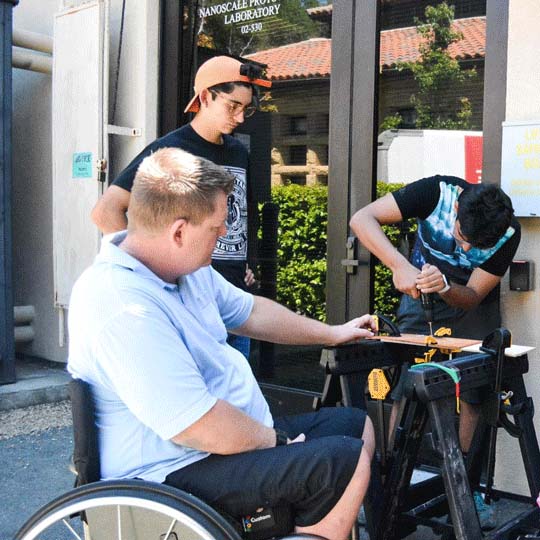
A three-tiered framework for making human-centered design more inclusive of people with disabilities can help organizations improve their own programs.
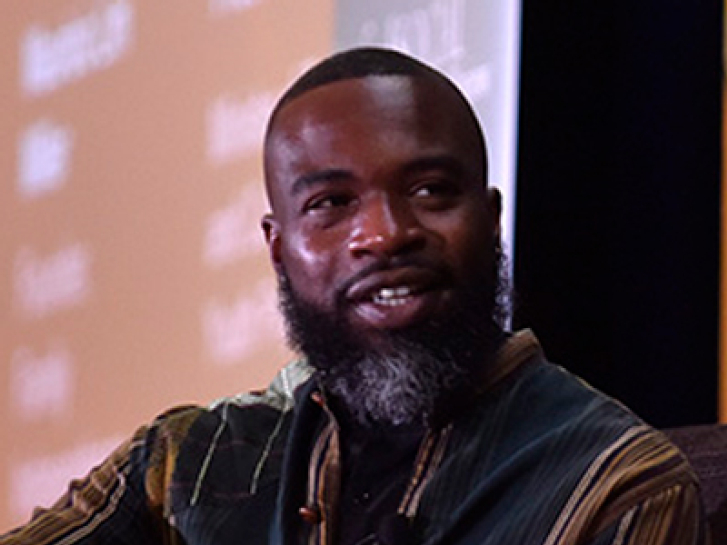
Leaders working on issues including public health, human rights, and economic development discuss how nonprofits can do better by treating the people they’re trying to help as partners, not patients.

If funders want to improve DEI in their organizations, they need to re-define risk, emphasize trust, and reflect the communities they serve.

Foundations are deploying a wide range of impact investing strategies to advance racial equity in the United States.

Why investors need to deploy both grant capital and investment capital to create pathways for equitable opportunity.
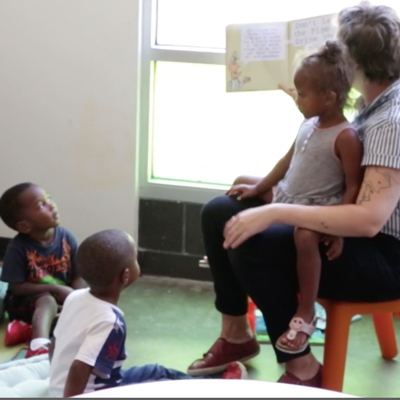
The Arkansas nonprofit Our House, which provides shelter to homeless families and individuals working to regain their economic independence, has built a culture of continuous feedback with surveys, community councils, and “happy or not” voting terminals. Part of a series produced for SSIR with the support of the Hewlett Foundation.
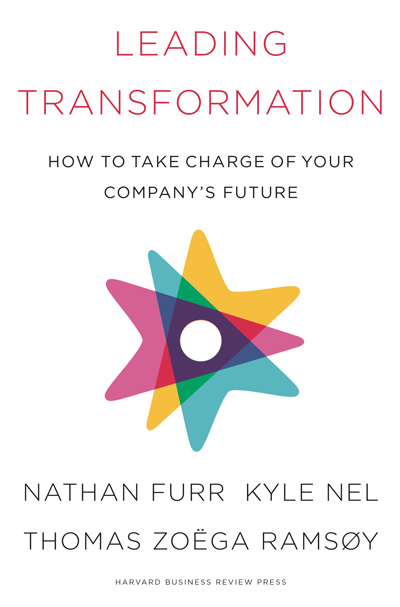
An excerpt from Leading Transformation on the "Behavioral Innovation Manifesto."