


Getting Political Is Good for Everyone
Nonprofits that engage in political activity benefit themselves, those they serve, and the political system as a whole.
Innovative approaches to internally driven, organization-wide efforts to achieve strategic goals (more)

Nonprofits that engage in political activity benefit themselves, those they serve, and the political system as a whole.

Scaling up data capacity requires champions at every level, be that a school district, state government, or national network.

To build more inclusive movements, social advocacy organizations and activists need to create stories that can engage both familiar and new communities.
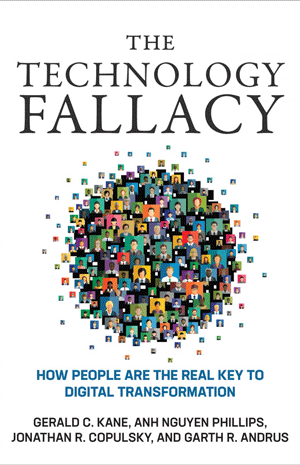
An excerpt from The Technology Fallacy: How People Are the Real Key to Digital Transformation explains the value of culture in organizational work.
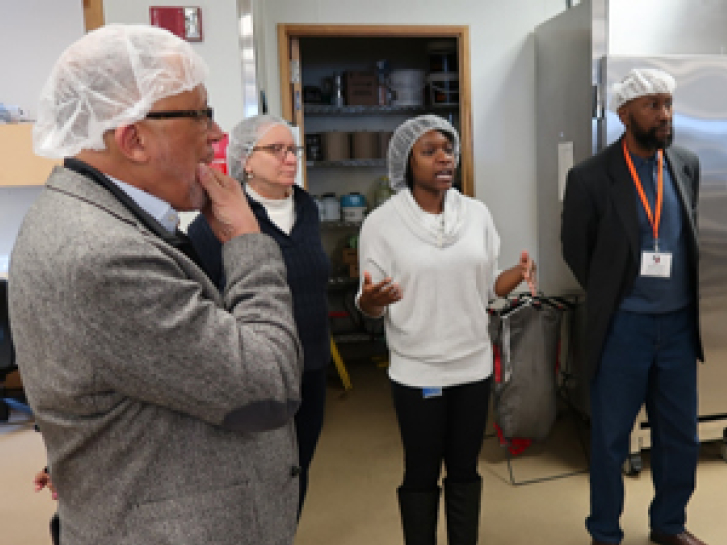
Six strategies for nonprofits looking to generate earned revenue and scale their social impact through consulting.

Professionalism has become coded language for white favoritism in workplace practices that more often than not leave behind people of color. This is the fourth of 10 articles in a special series about diversity, equity, and inclusion.

The Missouri Model lays out a framework, based on the science of trauma, that organizations can use to shift culture and policies and improve outcomes. A feature article from the Summer 2019 issue.

Rather than a glossy brochure that no one reads, your strategy should be an ongoing practice that informs your decisions and adapts as circumstances change. A Viewpoint from the Summer 2019 issue.

Three perspectives on the future of transnational advocacy, and how organizations can adapt to the challenges of 21st-century campaigning.

When fewer Americans than ever believe government is meeting their needs, a new approach that elevates the voices of citizens is long overdue. User-centered design holds great promise in a well-defined set of circumstances.