


Using Online Donations to Strengthen Philanthropy in China
There is no single path to successful digital philanthropy in China, but a new study provides six questions that stakeholders should ask themselves as they begin to develop their strategies.
New and innovative ideas to help nonprofit leaders raise money, and to help funders and donors give more effectively (more)

There is no single path to successful digital philanthropy in China, but a new study provides six questions that stakeholders should ask themselves as they begin to develop their strategies.

Charitable organizations can use insights from behavioral economics to help people follow through on their impulsive and deliberative intentions to give.

A transnational program focused on equality shows that engaging with conflict and difference is vital to the growth and effectiveness of social movements and broader change.
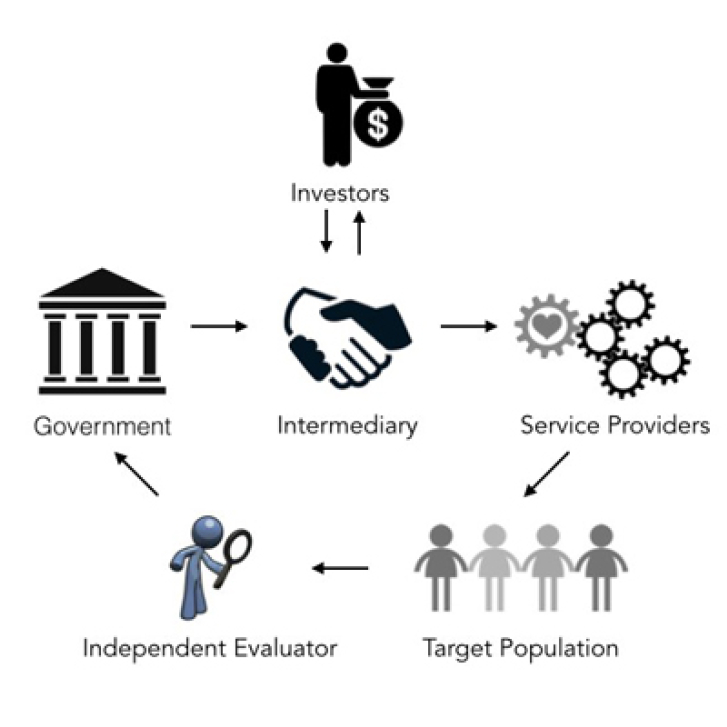
A look at how social impact bonds differ between projects and geographies, and how those differences impact practical implementation.

How funders can support bold, emerging leaders and their cutting-edge ideas.

Highlights of this year’s book reviews and excerpts on issues including women’s inequality, sustainable leadership, and the hypocrisy of elite philanthropists.

Asha Curran, chief innovation officer at the 92nd Street Y and director of its Belfer Center for Innovation & Social Impact, discussed the evolution of the grassroots giving movement at our 2018 Data on Purpose conference.
“Resilience” is a favorite buzzword these days, but what does it really mean, and how can grantmakers and nonprofits take practical steps toward achieving it?

A growing chorus of critics are questioning whether big philanthropy is actually a good thing.

By delivering innovation services to the insurance industry, Ninety Consulting aims to generate and give away a billion pounds ($1.32 billion) over 30 years.