


sponsored
Becoming Big Bettable
Social change leaders can create more investment opportunities that can transform the world by following these guidelines.
New and innovative ideas to help nonprofit leaders raise money, and to help funders and donors give more effectively (more)

Social change leaders can create more investment opportunities that can transform the world by following these guidelines.

Historic growth in wealth globally and the rise of new philanthropists threaten the relevance of institutional philanthropy—while creating new opportunities for impact and influence.
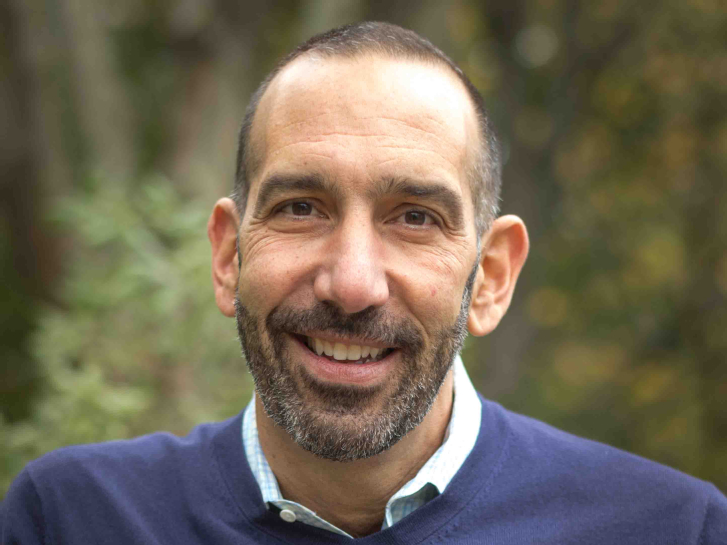
The president and CEO of Independent Sector elaborates on how big bets can help redistribute wealth and rebalance the power dynamic between donors and nonprofits.
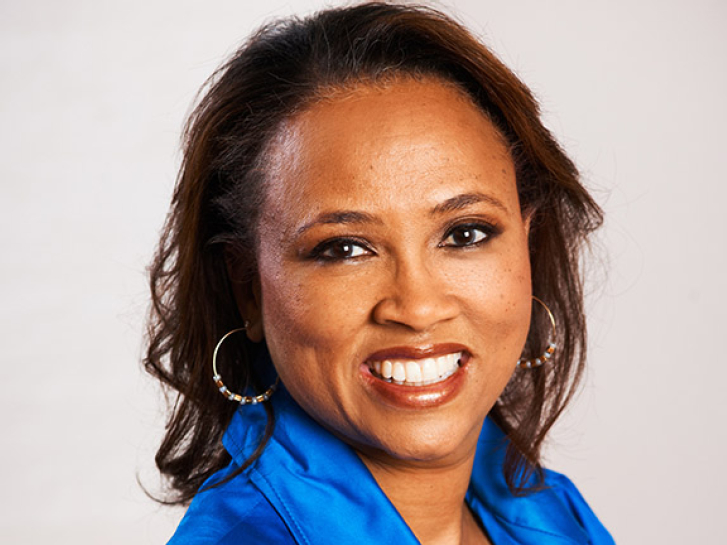
The president of Echoing Green explains how to get more big bets to organizations led by people of color.
Five insights about social mobility and the role of big bet philanthropy.
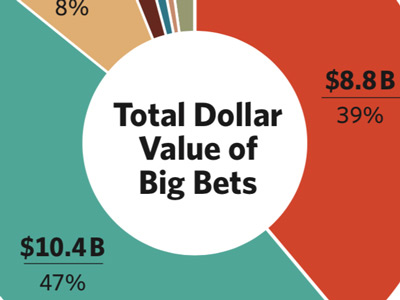
Among the big donors were the National Fish and Wildlife Foundation, the Bill & Melinda Gates Foundation, and Bloomberg Philanthropies.

These five examples of large investments demonstrate the enormous impact they can have on the world’s most pressing problems.

By wielding their deep experience in distressed local communities and using four methods for channeling investment into marginalized regions, foundations can play a deciding role in the success of the Opportunity Zone federal tax incentive.
As donor-advised funds increase in popularity, the people who use them are poised to advance the practice of listening to the organizations and individuals they are trying to help. Part of a series produced for SSIR with the support of the Hewlett Foundation.

Without bringing more rigor and resources to scaling impact efforts, the do-good industry will never make the exponential leaps needed to bring social innovations to millions of people.