sponsored
Making Better Big Bets
Philanthropy is poised for a grand transformation, but it will require a lot of investment, capacity building, and experimentation to get it right.
New and innovative ideas to help nonprofit leaders raise money, and to help funders and donors give more effectively (more)

Philanthropy is poised for a grand transformation, but it will require a lot of investment, capacity building, and experimentation to get it right.
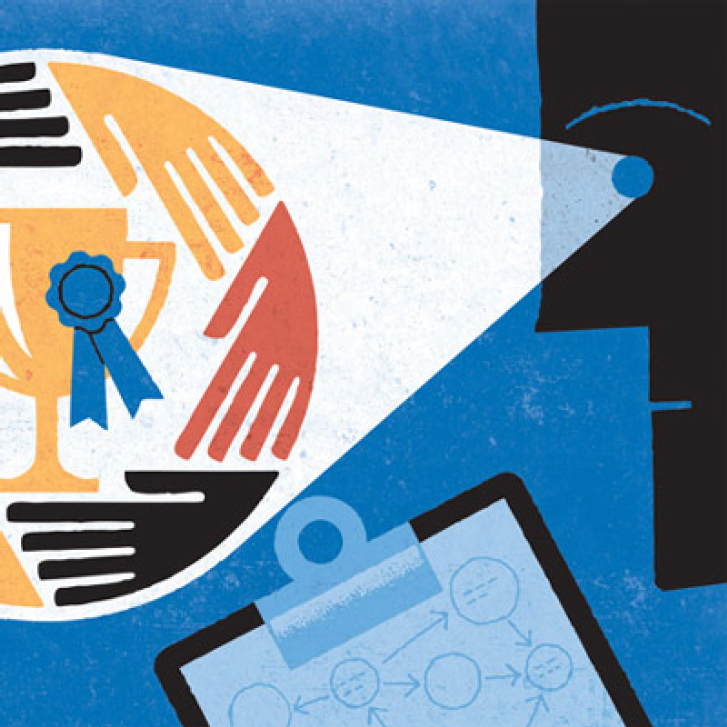
The legal and logistical challenges to hosting a competition are surmountable, but they require proper planning and due diligence.
While there are many potential barriers to utilizing power ethically and responsibly, funders can—and must—overcome them to truly advance equity and justice.
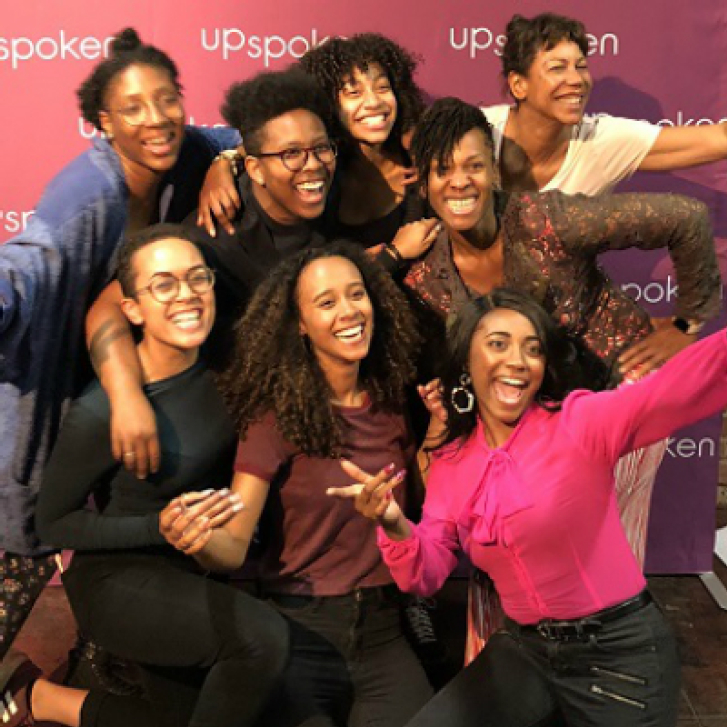
By speaking up about money and acknowledging the many choices they have, funders can more effectively channel their full spectrum of resources to achieve change.
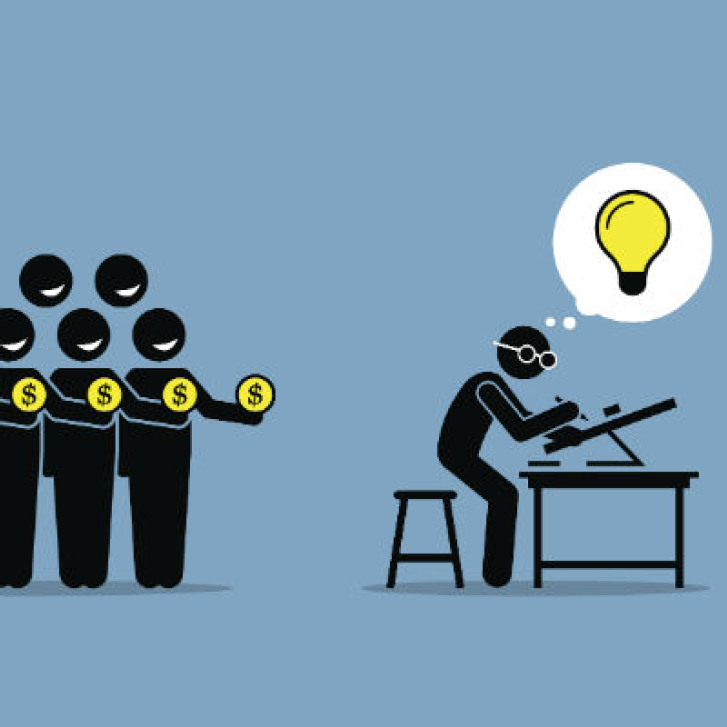
There’s a vast missed opportunity to use DAFs for making impact investments in support of market-based solutions to the UN Sustainable Development Goals.
An excerpt from Jed Emerson’s The Purpose of Capital: Elements of Impact, Financial Flows, and Natural Being
What constitutes “good” failures in philanthropy, and how can we have more of them?
Being a courageous and ethical leader in philanthropy means learning to listen, and sharing our power by encouraging, empowering, and enabling others.
How to shift the culture of philanthropy to one where funders understand they are part of—rather than in control of—social movements and systems-change work.
For a foundation board to fulfill its essential duties, ensuring that it benefits from diverse voices, ideas, and perspectives is paramount.