


Finding Meaning in Measurement
Performance measurement can help employees see value and meaning in their work.

Performance measurement can help employees see value and meaning in their work.

What will it take to put a real S in ESG?

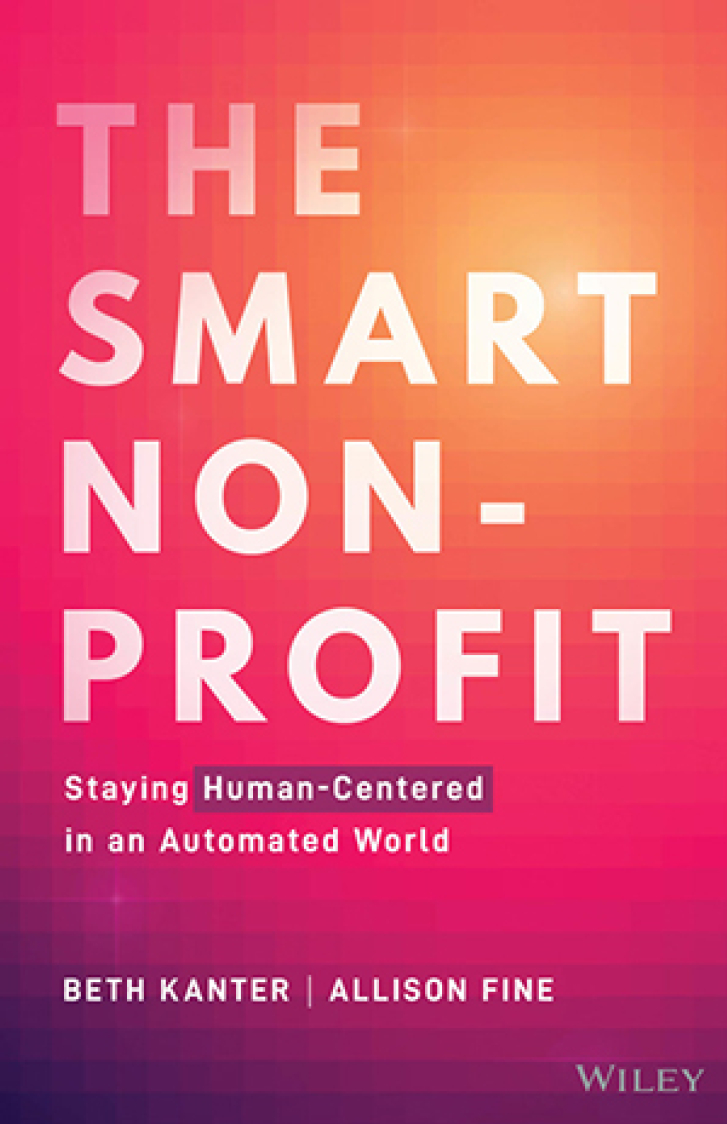
An excerpt from The Smart Nonprofit on using smart technology to prioritize people.

Four steps B Corp must take to successfully implement its “glocalization” strategy and promote responsible business in South Korea and beyond.

The movement to monetize corporate externalities is feasible, timely, and necessary.

An excerpt from Letting Go of Your Nonprofit on the leadership patterns of mission-centered leaders.

SELCO caters to India’s hundreds of millions of rural poor with solar-powered energy solutions carefully customized to their needs. Now the social enterprise is sharing its model with others around the world.

Three areas where philanthropic funders can partner with government on infrastructure investments to advance equity in the United States.

Collective impact efforts must prioritize working together in more relational ways to find systemic solutions to social problems.