


Opening Up Educational Opportunities Through Network Leadership
How a network mindset can break down silos between public agencies and nonprofits to successfully promote equitable and accessible education.

How a network mindset can break down silos between public agencies and nonprofits to successfully promote equitable and accessible education.

Unlike universities or medical centers, businesses are always at risk of moving. But by focusing on anchoring strategies—rather than on the institutions themselves—we can see how businesses can play constructive roles in building wealth and health in their communities.
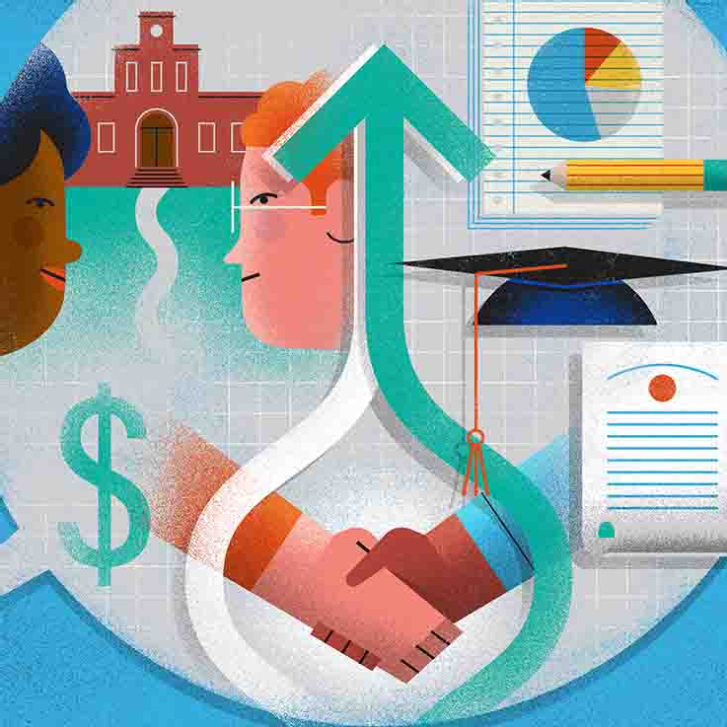
Four leaders of United Ways across the United States discuss shifting their roles from funders to true partners in collective impact efforts.

In a world shaped by the twin advances of populism and authoritarianism, social innovation reminds us that all things are still possible.

Years of implementing, studying, and iterating on cash transfer programs have revealed some important lessons about achieving long-term impact.
A collective giving approach to philanthropy, often translated into giving circles, brings people together to focus on community needs and community-driven solutions. This episode of Giving With Impact explores this people-centered approach to philanthropy. A sponsored podcast developed with the support of DAFgiving360.

Transitioning businesses to employee ownership has the potential to significantly reduce the overall wealth gap as well as the racial equity gap. But it will take capital investment to scale.
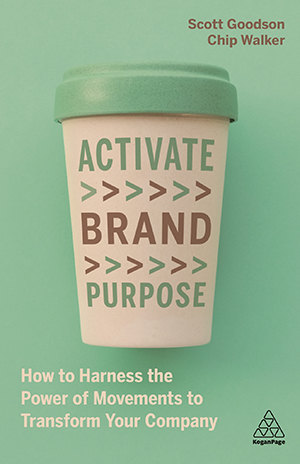
An excerpt from Activate Brand Purpose on what companies can learn from societal movements’ decay and success.

How Australia’s history and culture influence collective impact initiatives and create momentum for collaborative work that is more equitable and inclusive.

Highlights from book excerpts published by SSIR online this year on topics including mutualism, grassroots development, breakthrough ideas, racial injustice, and well-being.