


Moving Closer to the Problem and Closer to the Solution
Lessons learned when PIVOT shifted its center of gravity from the United States to Madagascar by letting go of the majority of its US-based team.

Lessons learned when PIVOT shifted its center of gravity from the United States to Madagascar by letting go of the majority of its US-based team.
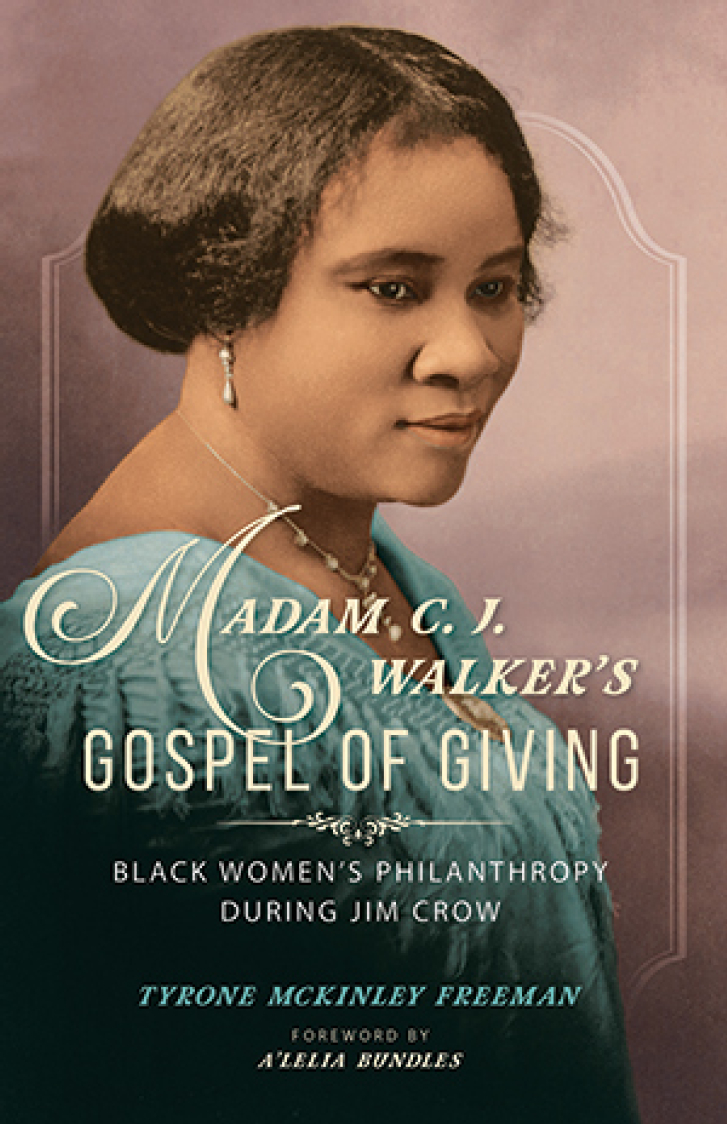
A new biography of Madam C. J. Walker shows how America’s first self-made female millionaire and Black entrepreneur put philanthropy at the center of her business and life.

One of the important ways to improve the lives of ordinary Americans is to empower workers and encourage the growth of unions.
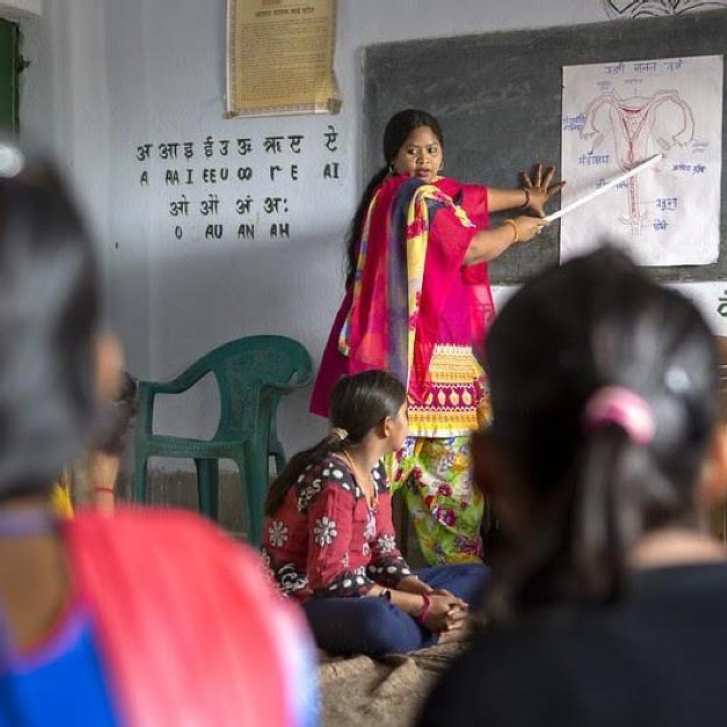
Links to all of SSIR's online-only articles published the past three months, with editors' notes about standout pieces on menstrual health, virtual events, and the downside to an overly positive organizational culture.

The Swedish model of relying more on civic-minded ethics than on government restrictions has proved to be an outlier worldwide.

A call for organizations to mitigate the risk of change in the social media landscape by strategically decoupling themselves from platforms that are causing harm.
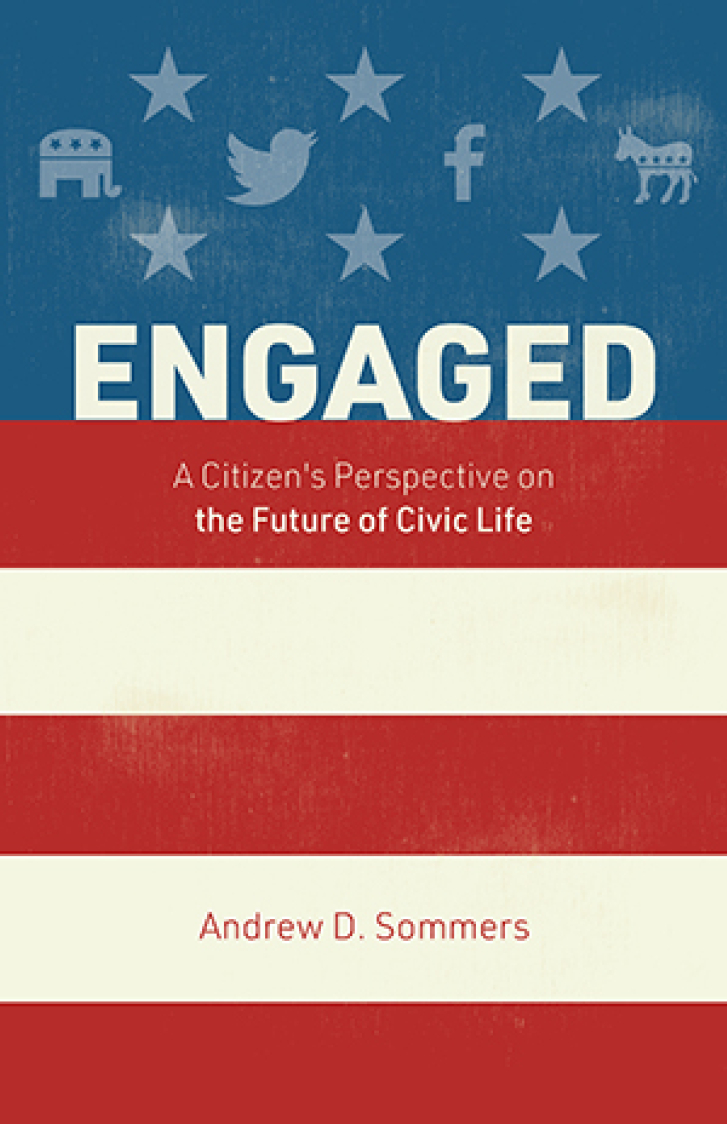
A new excerpt from Engaged guides us to create a more active citizenship and democracy.

Following a landmark national election in the United States, we present a series of reflections on the outcome and its effects on civil society and the social sector.

Establishing a shared understanding of Fresno’s racist policies and practices is key to how The Shared Prosperity Partnership will share power with residents who have been routinely excluded.

Instead of pressuring already-stressed individuals to fix themselves, true wellness requires organization-level interventions.