


Excerpt

Supporting innovation should not be a top-down approach premised on straitjacketing program designs.

The work of cofounders is oftentimes so entwined that they are ready to leave the organization at the same—but who gets to go first?
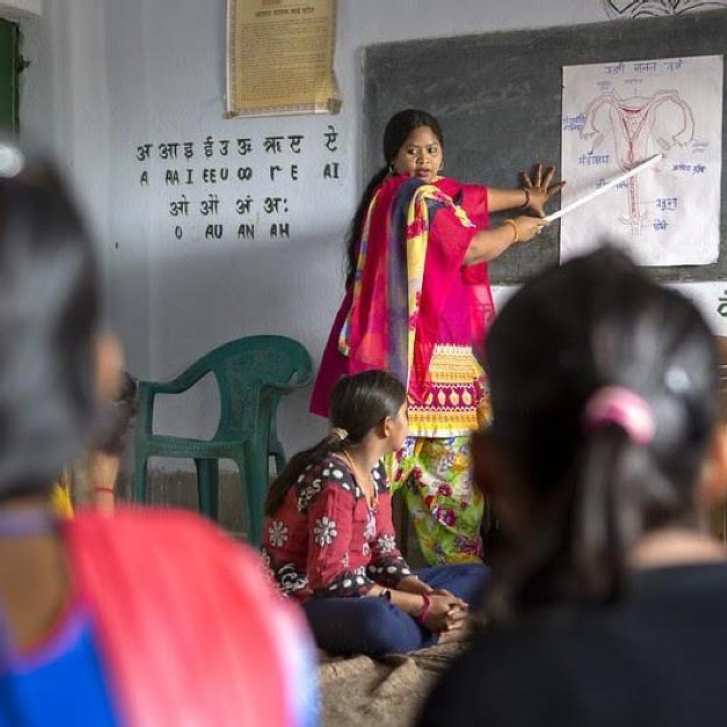
Because it cuts across distinct sectors, menstrual health and hygiene (MHH) is a much more complex and difficult public health issue than many realize.
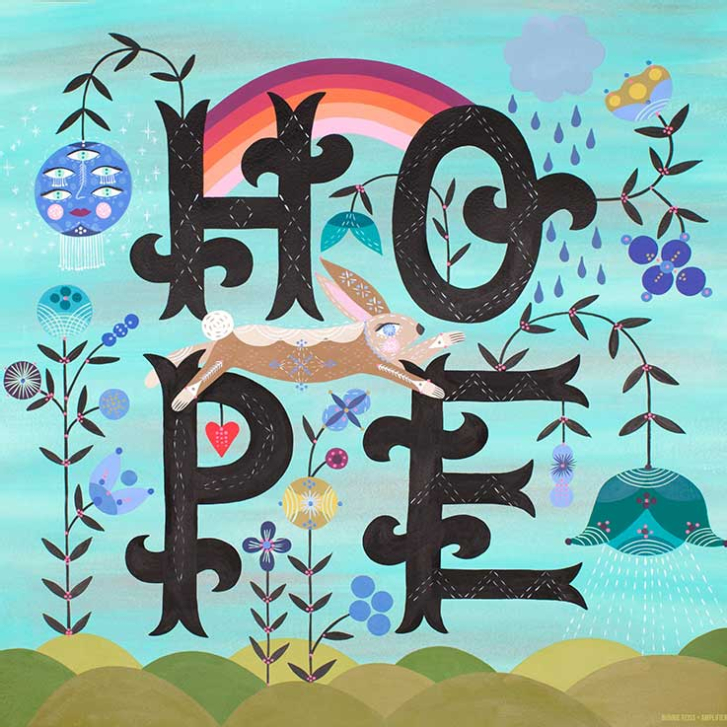
Art reminds us to create solidarity with people working on the frontlines of the COVID-19 pandemic and of the importance of tending to well-being during difficult times.

Community-centered approaches to research in practice at Simon Fraser University. Part of the Innovating Higher Education series.

We need to look to other countries to change how we see our own, opening our imaginations to new ideas, solutions, and futures.
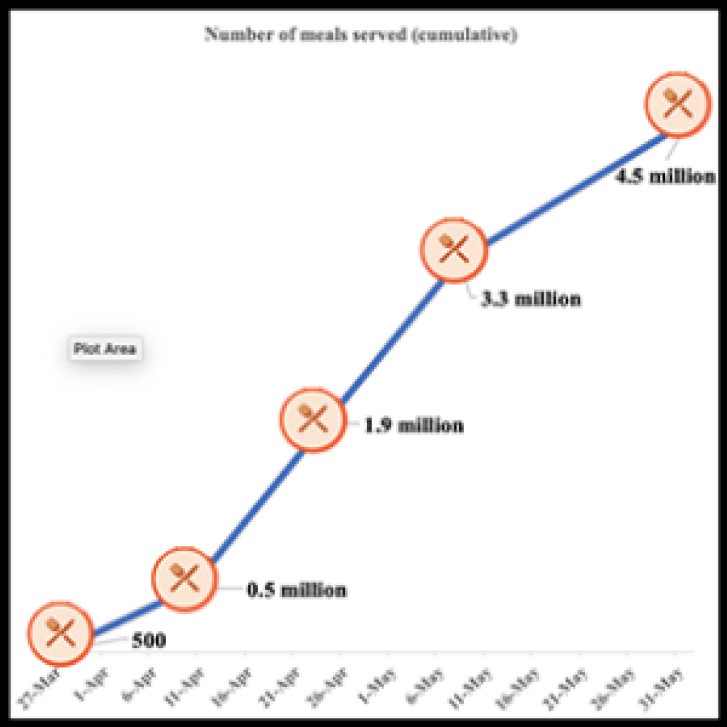
A look at how a community kitchen initiative in India used insights from behavioral science to rapidly scale its services, delivering 4.5 million meals to homeless migrant workers even as the country instituted the world’s largest lockdown to combat COVID-19.
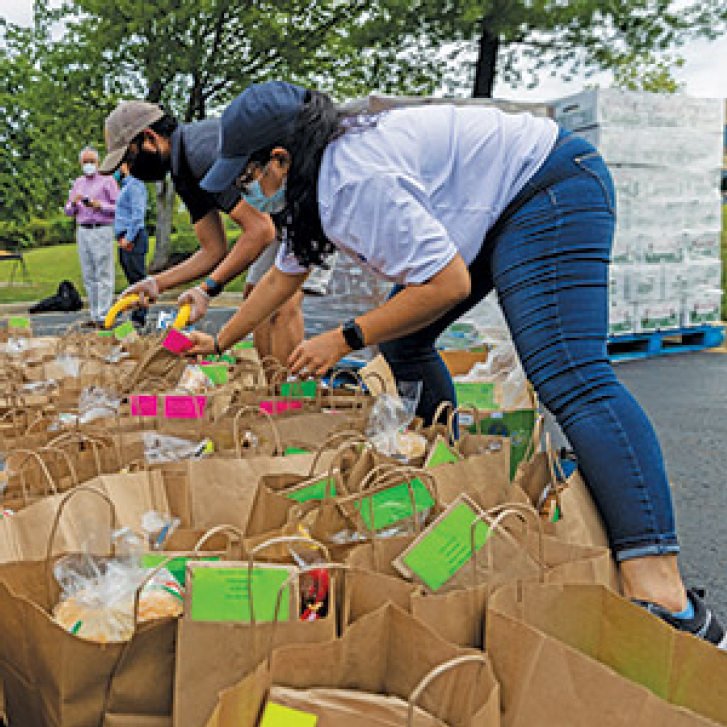
Limiting what counts as philanthropy has curtailed our understanding of its scope and social value. A more expansive approach shows how it is essential for creating a more equitable and democratic society.
Open-access to this article made possible by Indiana University Lilly Family School of Philanthropy.

LaderaTECH is developing a hydrogel to preventatively treat areas at high risk for wildfires.