The Evolving Promise of Pay for Success
Despite growing pains, the pay for success funding model is finding renewed success in communities across the United States and is primed to evolve into an ever-more-powerful tool for social change.
Innovations in public services that promote equity and opportunity (more)
Despite growing pains, the pay for success funding model is finding renewed success in communities across the United States and is primed to evolve into an ever-more-powerful tool for social change.
At a time when division seems like the only thing we all have in common, two “relational activists” describe how building person-to-person connections can keep us from being paralyzed by recalcitrant and complex social problems.
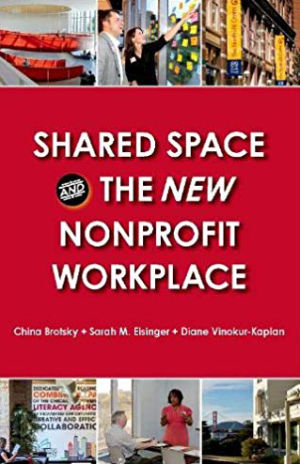
An excerpt from Shared Space and the New Nonprofit Workplace, which looks at the challenge of finding affordable and stable office space for nonprofits.
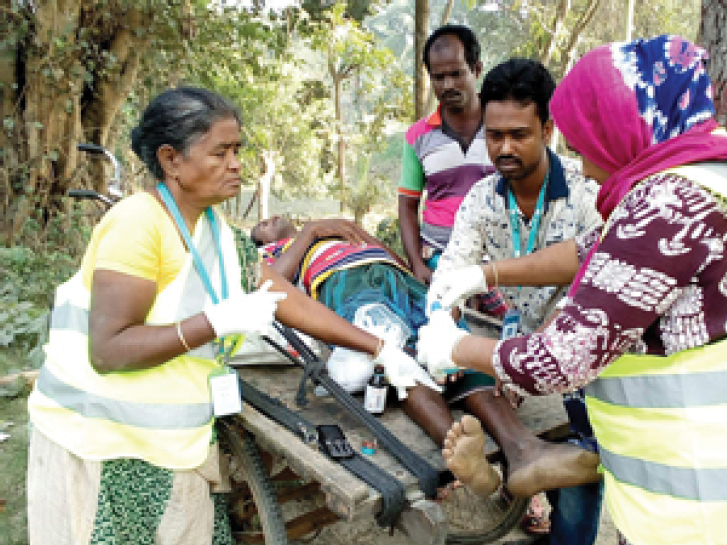
The chaos of Dhaka's roads inspired Jon Moussally, a physician in Massachusetts and instructor at the Harvard T.H. Chan School of Public Health, to cofound a volunteer-based emergency response system aimed at reducing death from road traffic injuries. A Field Report from the Fall 2019 issue.
A look at how Switzerland radically and successfully changed its approach to drug policy following a heroin epidemic in the late 1980s and 90s, and what the effort teaches us about the social innovation process.
From emphasizing the importance of a data culture to exhorting people to "move thoughtfully and improve things," nonprofit leaders, funders, scholars, and technologists at SSIR's 2019 Data on Purpose Conference provided deep insights into surviving and thriving in an increasingly digital world.
Anxiety about debt and financial stability can severely reduce the productivity and health of employees, which can hurt a company’s bottom line. Businesses, government, and philanthropic organizations should embrace the case for improving the financial well-being of workers.
Katherine Newman’s Downhill From Here challenges current economic thinking by arguing that the crisis in retirement security is caused by a flawed system, not flawed humans.
The Arkansas nonprofit Our House, which provides shelter to homeless families and individuals working to regain their economic independence, has built a culture of continuous feedback with surveys, community councils, and “happy or not” voting terminals. Part of a series produced for SSIR with the support of the Hewlett Foundation.
New experiments with civic engagement, outreach, and philanthropic models in Philadelphia offer inspiration for leaders across the social sector.