


Volunteer Nation
Elisabeth S. Clemens’ Civic Gifts demonstrates how voluntarism, long associated with locally based efforts, has been central to the project of building a strong nation-state.
Innovations in public services that promote equity and opportunity (more)
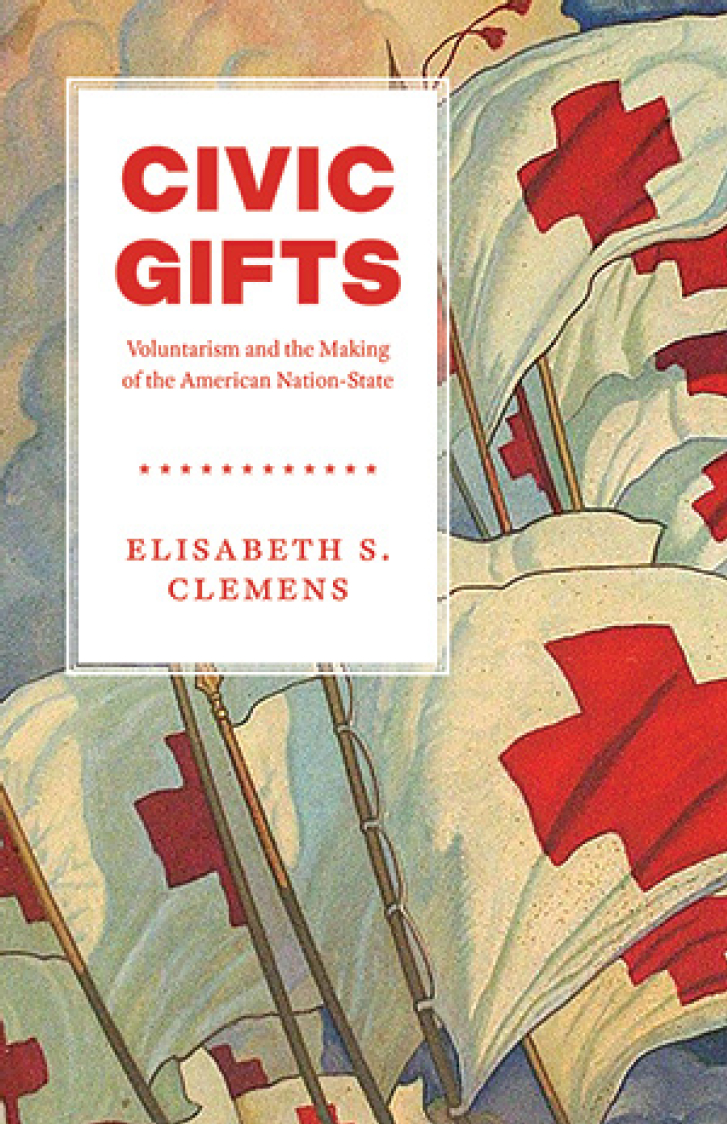
Elisabeth S. Clemens’ Civic Gifts demonstrates how voluntarism, long associated with locally based efforts, has been central to the project of building a strong nation-state.

Social service agencies have too often excluded the communities they aim to help from informing and strengthening the programs purportedly designed for them. Here are two techniques for using a person-centered model that offers a better way to craft truly collaborative solutions.
How the work of bringing voter registration kiosks into emergency rooms has become more urgent—and more difficult—during the COVID-19 pandemic, and also expanded in scope. Part of a series on civil society's response to the pandemic.
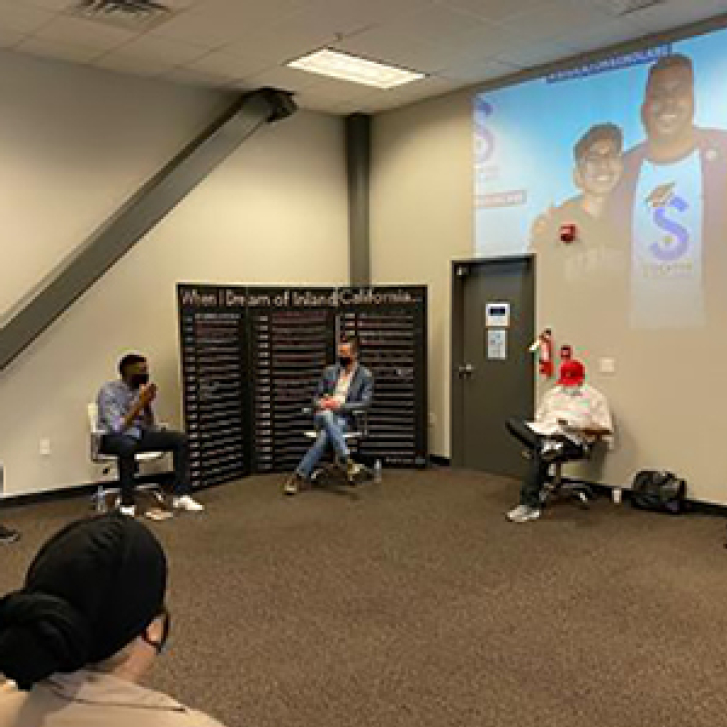
Inland regions are rapidly diversifying, and leaders of color in places like the Inland Empire need investment. Philanthropy needs a new playbook for this intersection of racial equity and regional equity.

Lessons learned at Friends of the Children about maintaining stability in service during this crisis and the next one.
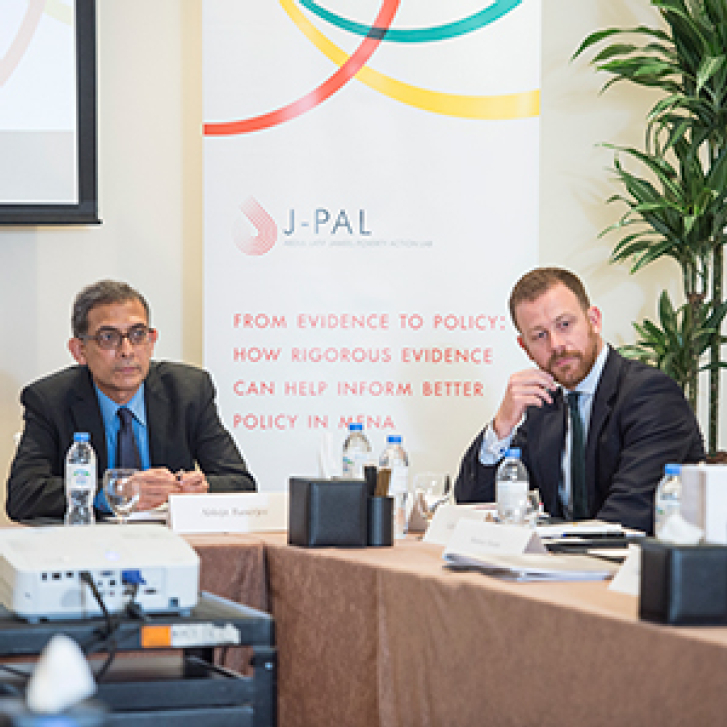
How the Abdul Latif Jameel Poverty Action Lab (J-PAL) and the Evidence to Policy (E2P) community are integrating innovation and evidence into social policy and practice at scale.
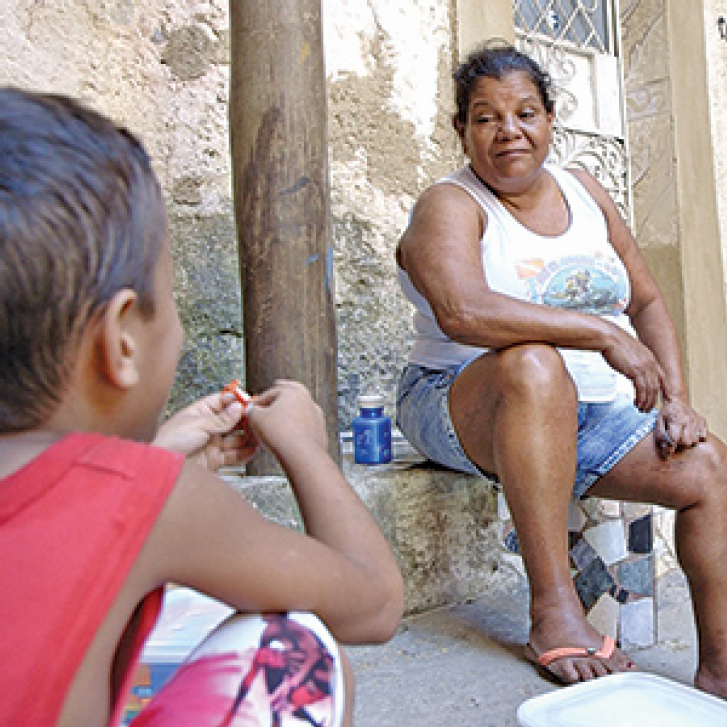
Mopi, a social venture that aims to professionalize and build a network of home-based day cares in Brazil, is helping to fill an important gap in early childhood care and education in Brazil. A What's Next article from the Spring 2020 issue.
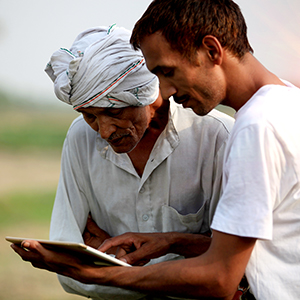
Unregistered births and deaths and other failures to officially document people's lives have compromised public policy around the world. Governments, nonprofits, public health groups, and other organizations that play a critical role in civil registration and vital statistics can start improving their efforts with these six insights.
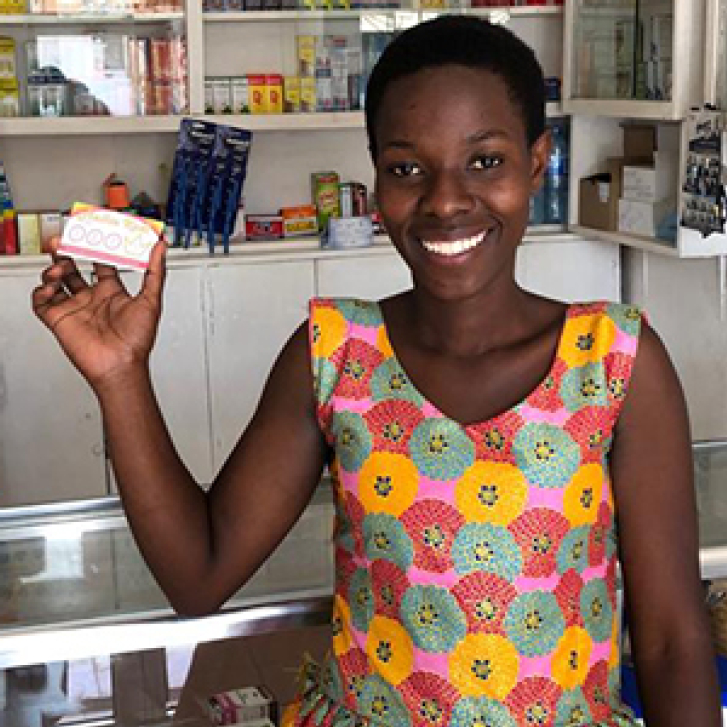
A public health innovation shows that innovators can accelerate the diffusion of products with social impact by pairing design thinking and behavioral science.
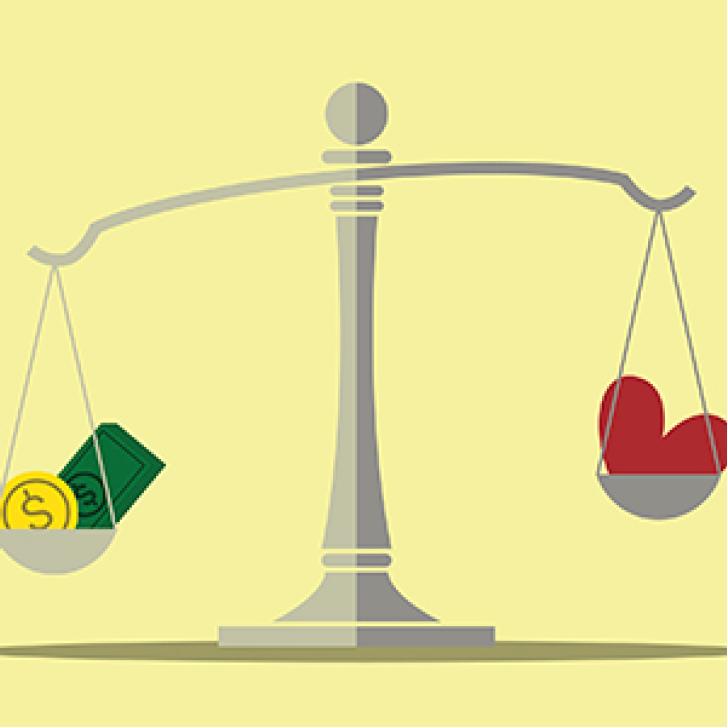
Instead of simply pegging success to traditional economic measures, like GDP, New Zealand wants policymaking to be driven by what will make the biggest difference to the well-being of people, their communities, and the environment. A What's Next article from the Winter 2020 issue.