Social Issues
SSIR’s 2018 Social Innovation Reading List
Highlights of this year’s book reviews and excerpts on issues including women’s inequality, sustainable leadership, and the hypocrisy of elite philanthropists.

Highlights of this year’s book reviews and excerpts on issues including women’s inequality, sustainable leadership, and the hypocrisy of elite philanthropists.
We’re in big trouble if complicated, expensive schemes like these are what it takes to get big funders to fund for impact.
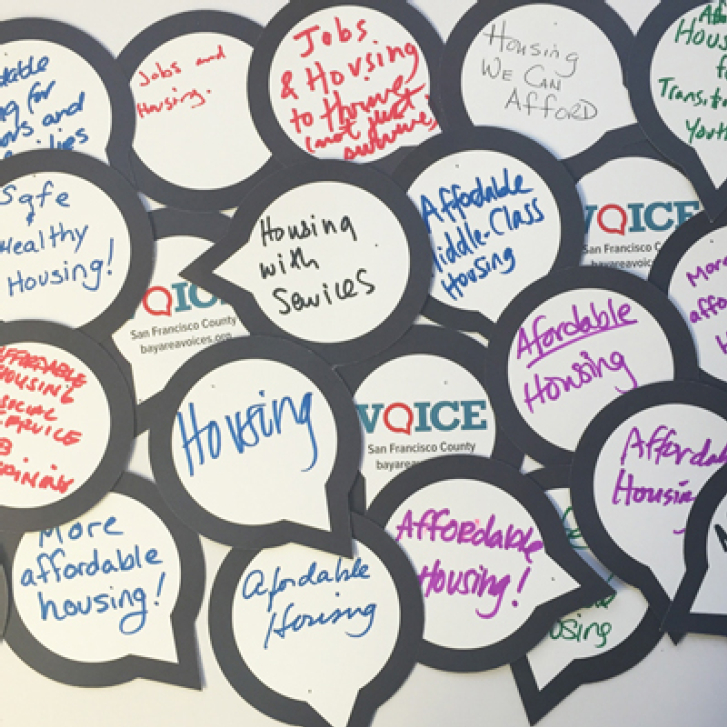
Based on feedback from community listening sessions and consultations with local experts, The San Francisco Foundation reshaped its grantmaking strategy and role in addressing the inequities facing Bay Area residents. Part of a series produced for SSIR with the support of the Hewlett Foundation.

Before diving into measurement, organizations must establish awareness of and readiness for impact in every aspect of their operations.
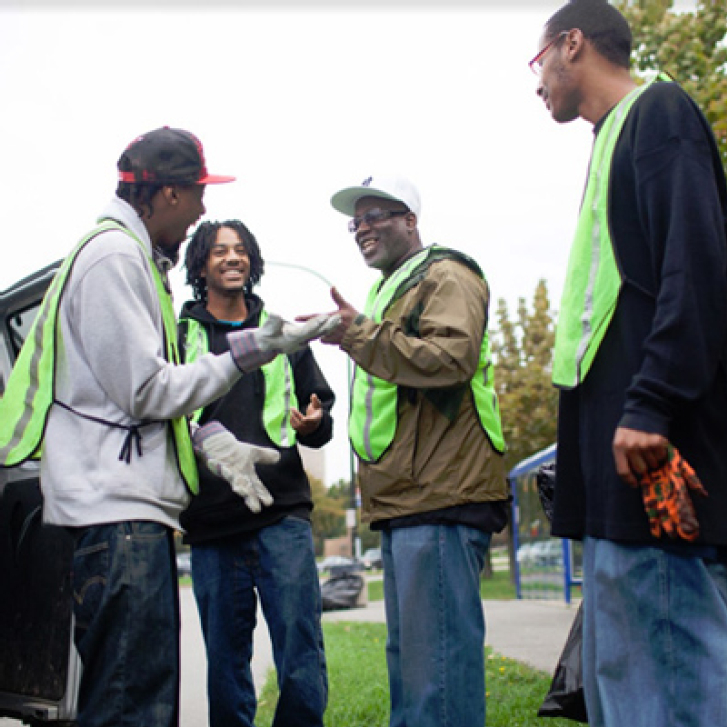
How shifting attention from gathering data about clients to gathering data from them helped a criminal justice organization improve services for participants and increase equity in the process. Part of a series produced for SSIR with the support of the Hewlett Foundation.
How foundations, nonprofits, and others can effectively convey—and convince policymakers to support—their programs and proposals for social change.

Activists can be more successful at solving problems in their communities by using three simple strategies to connect local, national, and global narratives.

When Betty McCay finished a 27-year prison sentence and approached the Center for Employment Opportunities for help with finding a job, the last thing she expected was to be asked for her feedback on running the program. Part of a series produced for SSIR with the support of the Hewlett Foundation.

Shannon Revels met a teacher in prison who listened to his ideas, demonstrating a willingness to engage that Revels paid forward at his employment agency and on the job. Part of a series produced for SSIR with the support of the Hewlett Foundation.

Billions of dollars are poised to flow into development impact bonds (DIBs) as a mechanism for solving social challenges around the world. Now is the time to make sure these complex structures are grounded in sensible approaches to measuring impact.