


Workers of the World, Buy!
iCare is enabling Southeast Asian workers to purchase the basic goods of middle-class life without falling into debt.
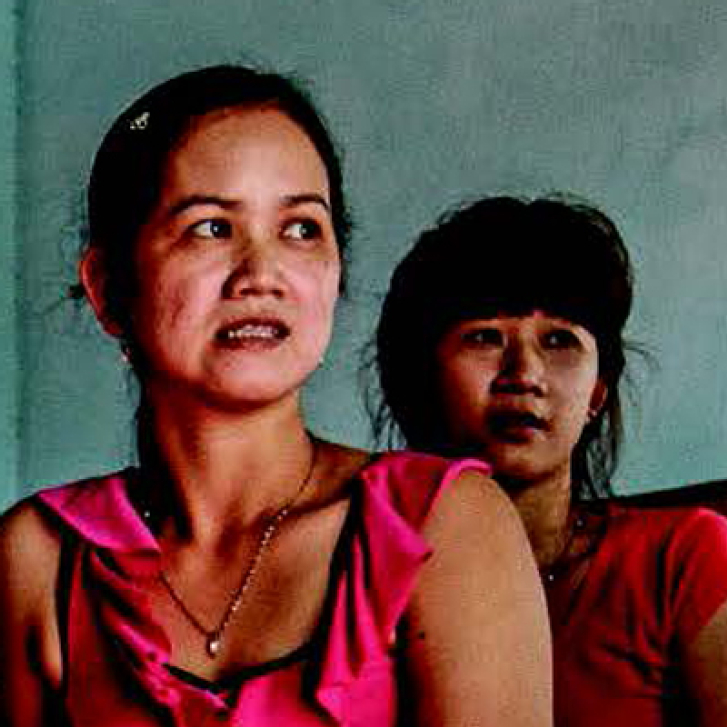
iCare is enabling Southeast Asian workers to purchase the basic goods of middle-class life without falling into debt.

The Contributor Development Partnership is revitalizing public broadcasting with a fundraising model that can help other large nonprofits with local affiliates.
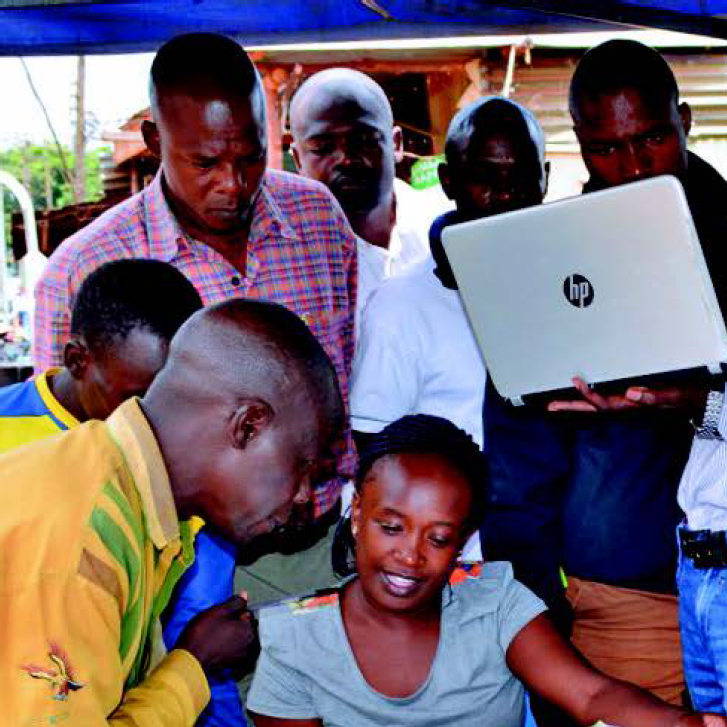
New platforms are using crowdsourcing and open-source technology to challenge Google’s dominance over how we see the world.
Top-down development doesn't work. What's needed is a "pull model" created by locals, funders, and government agencies working together as equals.
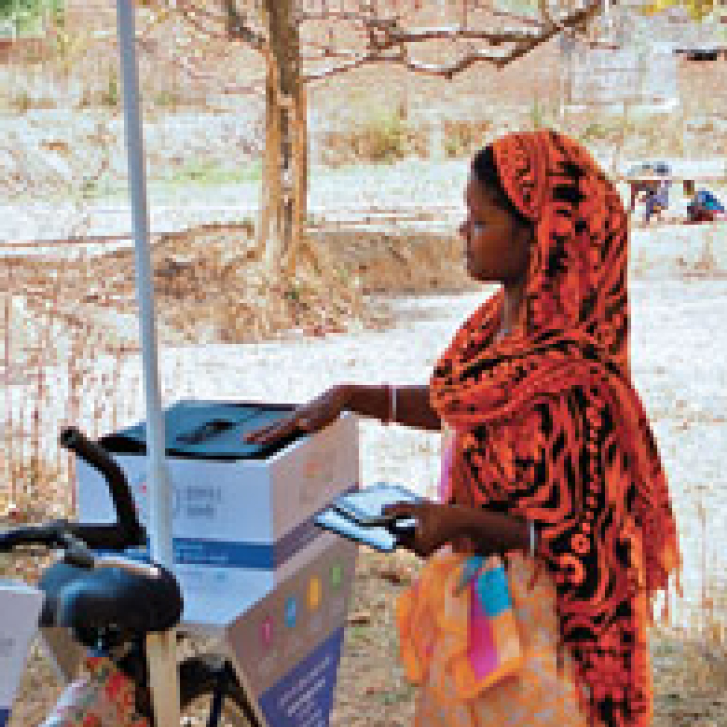
Hindi for “friend,” the Saathi Internet program enables women in rural India to help other women improve their lives and livelihoods.
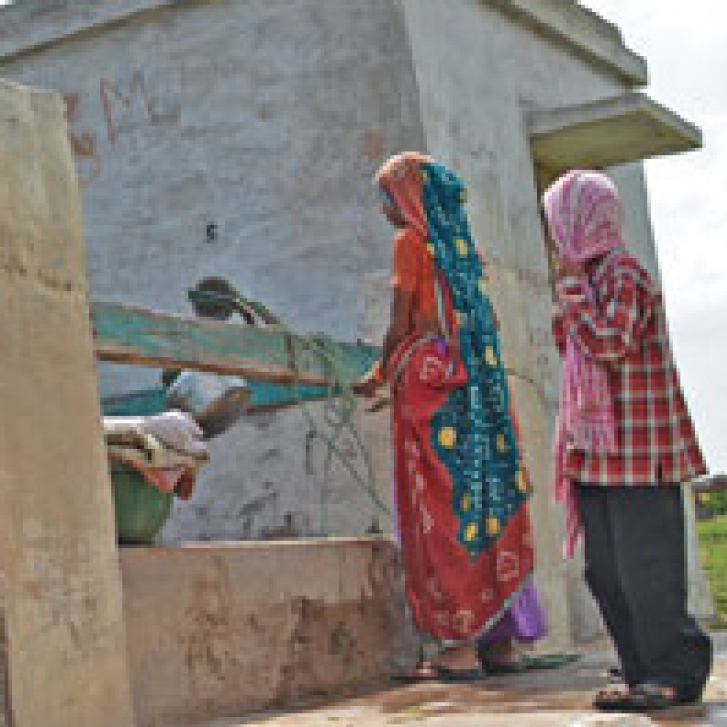
Arghyam, a grantmaking foundation, takes a data-driven approach to helping transform India’s water and sanitation systems.
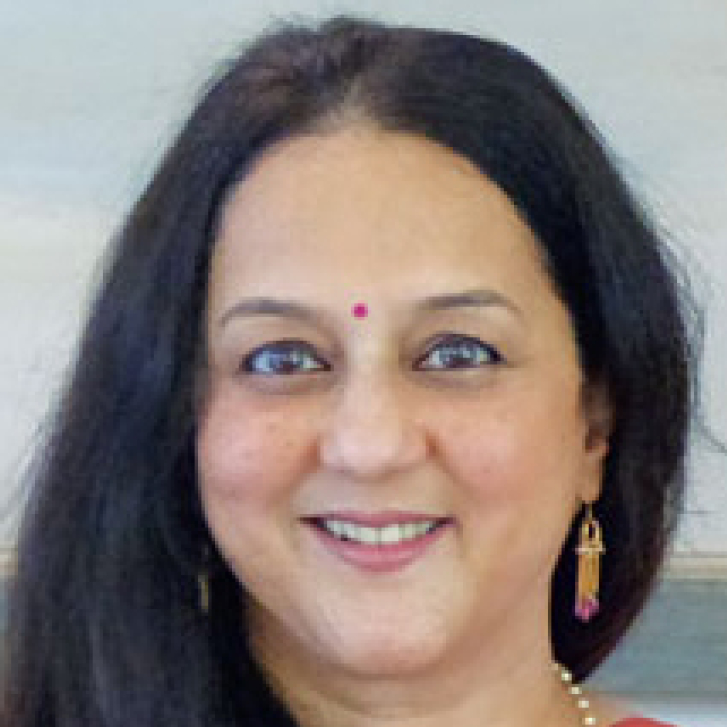
Two decades of giving have taught philanthropist Rohini Nilekani the value of pursuing unconventional approaches to tackling social problems.
When monitoring and evaluation are in an organization’s DNA, as they are at SNEHA, it’s much easier to create partnerships with government agencies and NGOs.

There might be no better guide than Indian nonprofits for how to successfully scale up when resources are scarce.

Since becoming chairman of Tata Trusts, Ratan Tata has shifted the trusts’ focus from charitable work to programs that seek to transform lives.